
Peru is home to some of the most incredible trekking routes on Earth, but few are as breathtaking as the Ausangate Trek. Looping around one of the most sacred mountains in the Andes, this high-altitude circuit should be top of your bucket list.
If you’re an avid adventurer and seeking something more challenging and remote than the classic routes, Ausangate might just be the ultimate Perivan trekking experience.
Want to discover why this trek is so great? Read on for the ultimate Ausangate Trek guide to learn more about the routes, what to take with you, and how to prepare for your trip.
Table of Contents
Where Exactly Is Ausangate?
Ausangate Mountain stands at a towering 6,385 m / 20,905 ft above sea level and lies southeast of Cusco city in the Vilcanota Mountain Range. The area is remote and home to a few small communities and unique flora and fauna.
The mountain is considered sacred to those in the region and is known as an ‘Apu’, or sacred mountain spirit, that protects the locals and the area. In contrast to the tourist-heavy valleys to the north, this region is peaceful, traditional, and spiritually significant.
Why Choose The Ausangate Trek?
If you want to see Machu Picchu, other Incan sites and the cloud-forest, then the Inca Trail or Salkantay Trek are great options, but for an off-the-beaten-path expedition, Ausangate is a brilliant choice. This circuit is ideal for hikers looking for:
- Remote wilderness without the crowds
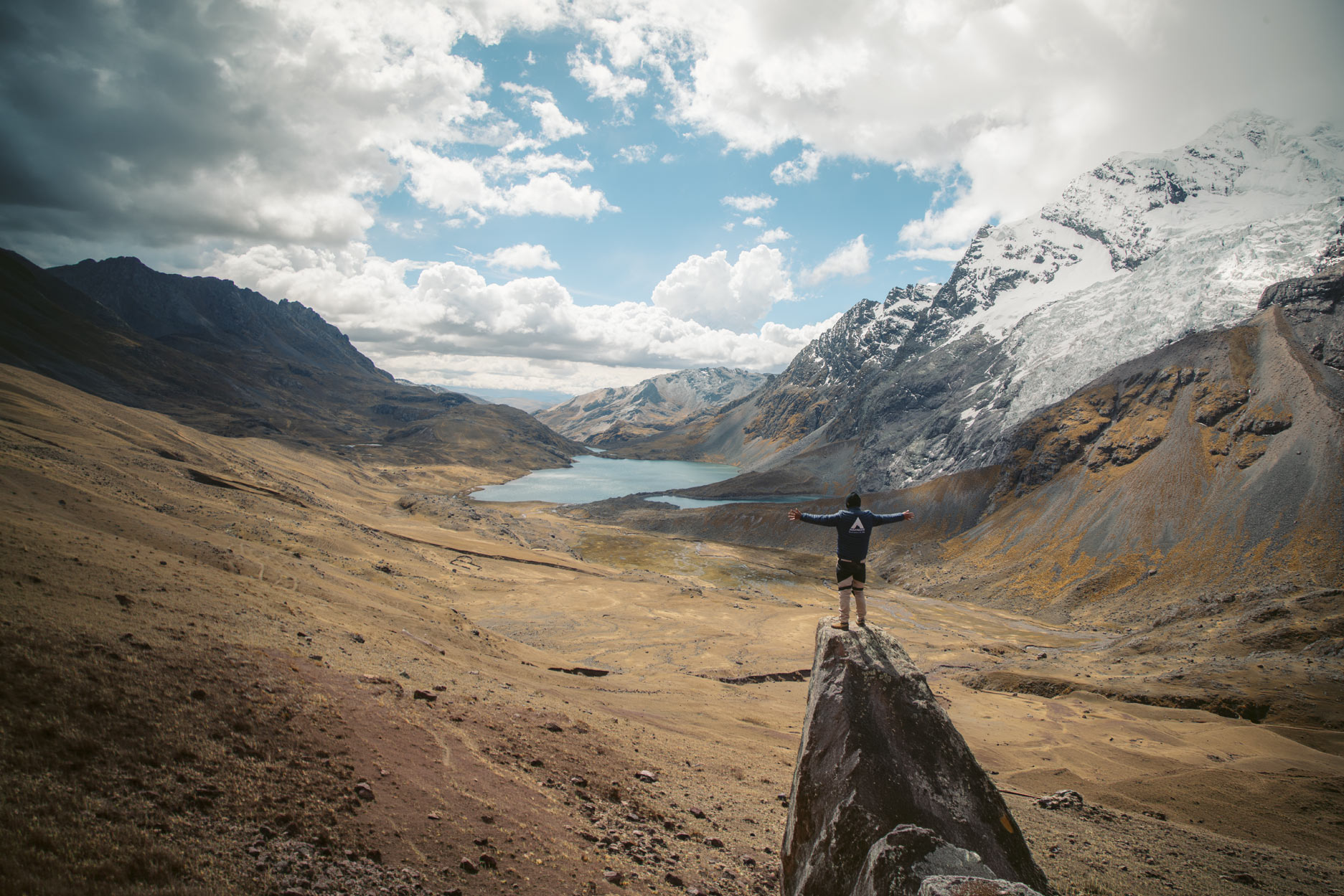
- Stunning glacier views and crystal clear lakes
- Challenging high altitude passes
- Opportunities to see Andean wildlife like condors and vicuñas
- Cultural immersion in remote Andean communities
Overall, Ausangate is unmatched if you want to experience a landscape that feels almost untouched by civilization.
Ausangate Trek Options
From a 1-day tour of the lakes around the mountain to a 7-day full itinerary, there are options for every kind of trekker. Not sure which to choose? Here’s a rundown of what they each involve:
Ausangate 7 Lakes 1-Day Hike
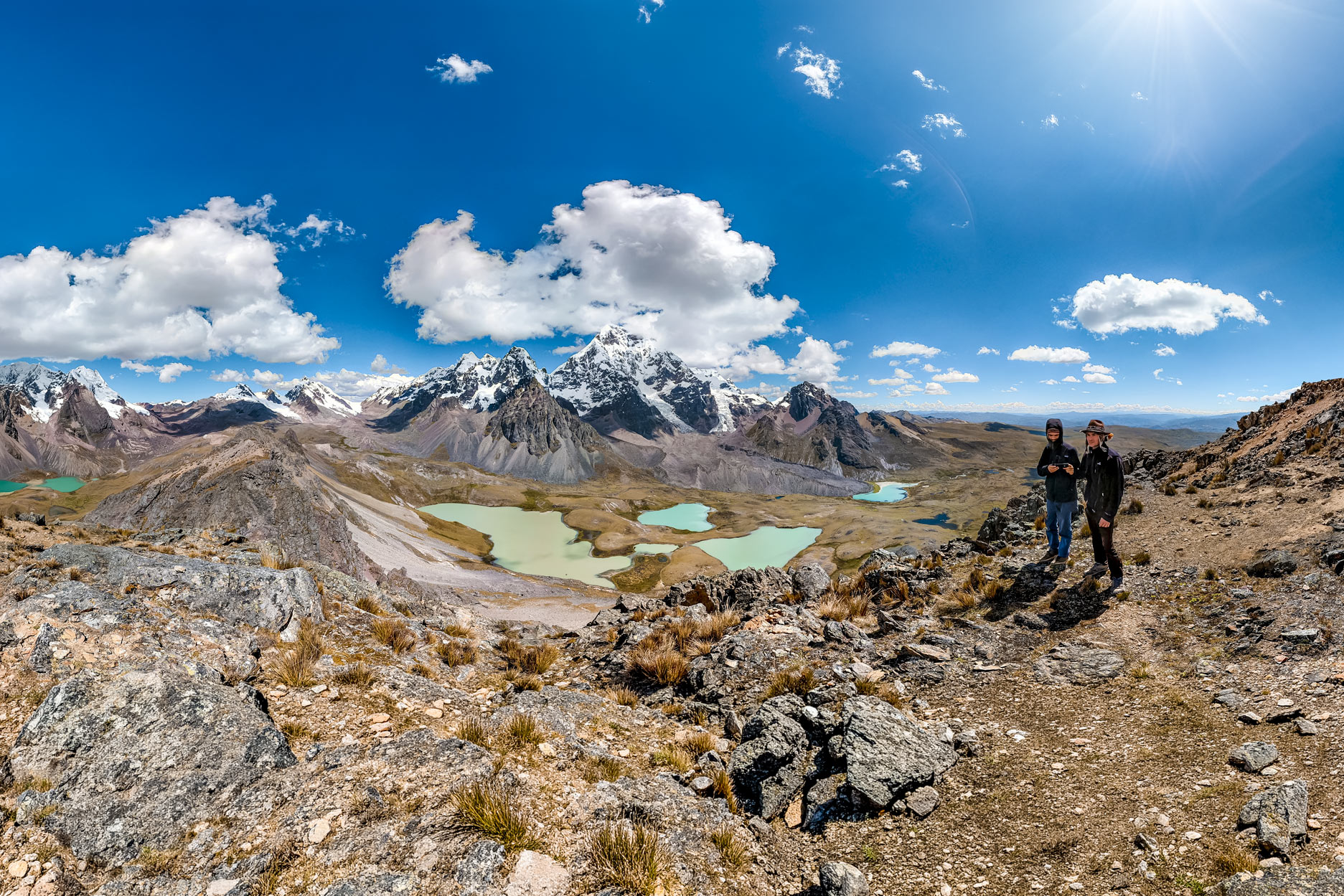
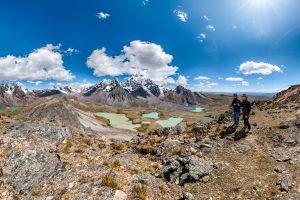
One of the most striking visuals on the Ausangate Route is the jewel-like lagoons that sit in front of the giant glaciers. Well, on this 1-day hike, you get to witness seven multi-colored lakes plus enjoy a dip in the hot springs in Pacchanta and a delicious lunch made by one of the local families.
Ausangate, Rainbow Mountain & Red Valley 2 Days
Short on time but want to enjoy an adventure that includes incredible scenery, a taste of wilderness, and a trekking challenge? This 2-day hike among the Vilcanota mountain range won’t disappoint.
Ausangate & Rainbow Mountain 3 Days
Rainbow Mountain has grown increasingly popular with visitors in recent years due to the incredible colorful formation on its slopes. If you want to visit but like the idea of maximizing your experience with some trekking, this route takes you through some awesome Andean scenery and still gets you back to Cusco in 3 days.
Ausangate & Rainbow Mountain Trek 4 Days
If you’re looking to enjoy all that the Ausangate Trek has to offer but are a little short on time, go for this 4-day adventure. You get to soak up the gigantic Apu Ausangate and its mesmerizing surroundings as well as visit the world famous Rainbow Mountian. Did you know you can only find a natural creation like it in Peru and China?
The Classic Ausangate Trek 5 Days
The classic Ausangate Route is 5 days long and is a truly magical experience. From the white Ausangate glaciers and crystalline lagoons to the fascinating flora, fauna, and local communities, you get the entire package. Combine intense adventure and local culture in this perfect trekking package.
Ausangate & Sibinacocha Trek 7 Days
Fancy heading even further off the regular route? This alternative option to the classic 5 day trek takes you away from the crowds and provides the most incredible views of Ausangate before taking a detour to the gorgeous Sibinacocha Lagoon. Connect with nature as you venture into uninhabited territory on this trail.
Machu Picchu, Ausangate & Rainbow Mountain 7 Days
Want to see the wonder that is Machu Picchu but don’t want to miss out on the epic Ausangate Trail and stunning Rainbow Mountain? This 7 day trip has it all! Plus some highlights in Cusco city and the Sacred Valley.
What To Expect On The Ausangate Trek
When you know what you might come up against along the way, you can prepare yourself to enjoy the trek as safely and comfortably as possible. Here are a few things to remember before booking your trip.
High Altitudes From The Get-Go
From the moment you start walking, you’re at high altitude. The minimum elevation along the whole route is 4,100 m / 13,451 ft, so you need to make sure you stay hydrated, walk at a steady pace, and stay nourished the entire trek.
Changing Climate
Due to the trek being at a consistently high altitude, weather can be extreme. One moment might be sunny, and before you know it, it’s windy, icy, and snowy! Expect cold temperatures at night (often below freezing) and quite a bit of rain during the wet season (December to March).
Varying Terrain
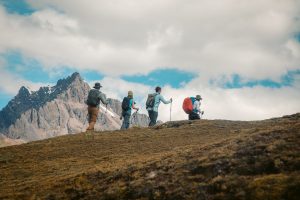
The terrain is rugged but not technical, so you won’t need any special equipment apart from some quality hiking boots or shoes and walking poles if you wish to use them. Expect to cover grassy valleys, rocky climbs, and icy mountain passes.
Ausangate Trek Highlights
The Ausangate Route is one of the most beautiful imaginable as well as being culturally rich and taking you on a serene spiritual journey. Want to know what to look forward to? There’s plenty! Here are some of our favorites:
Apu Ausangate
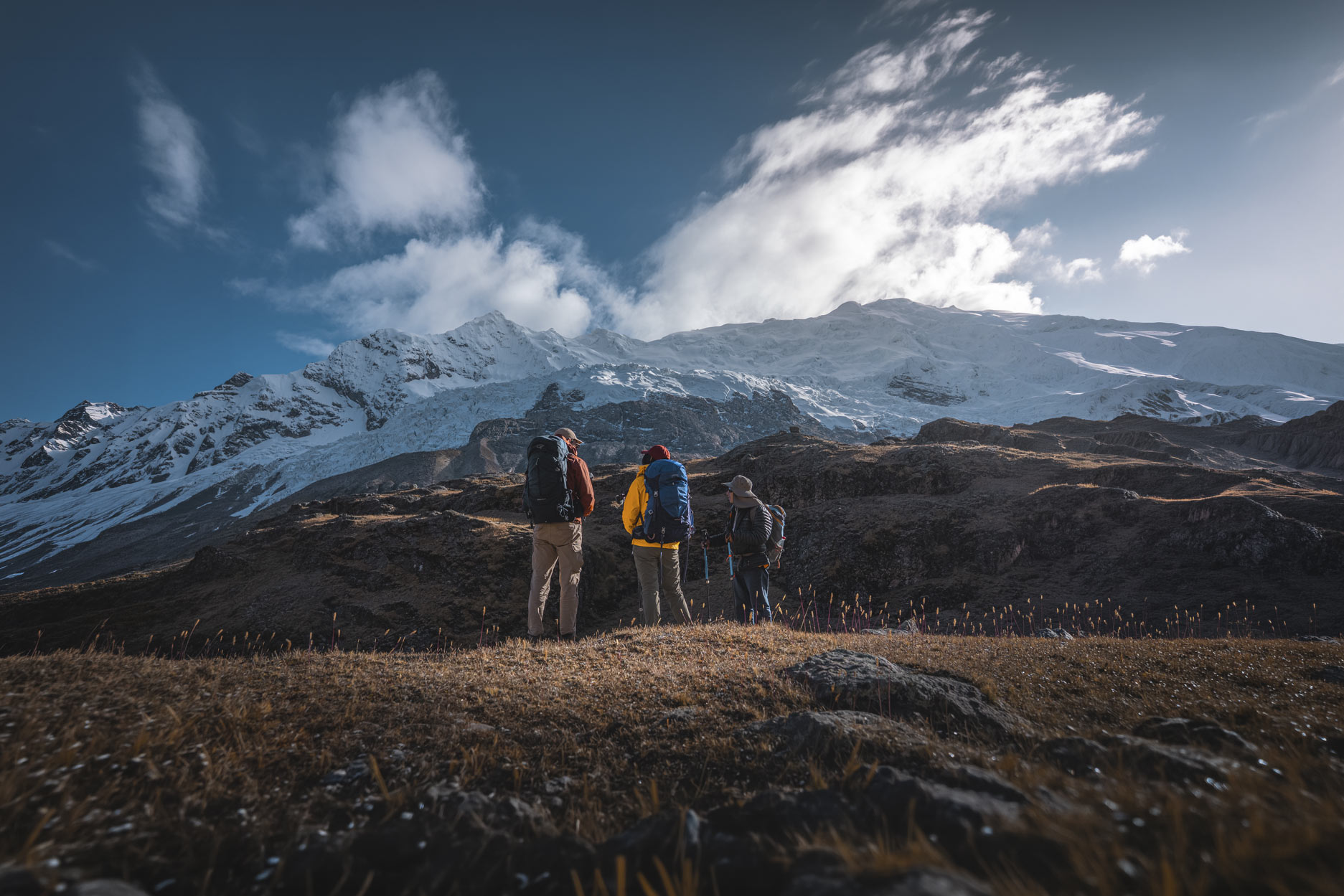
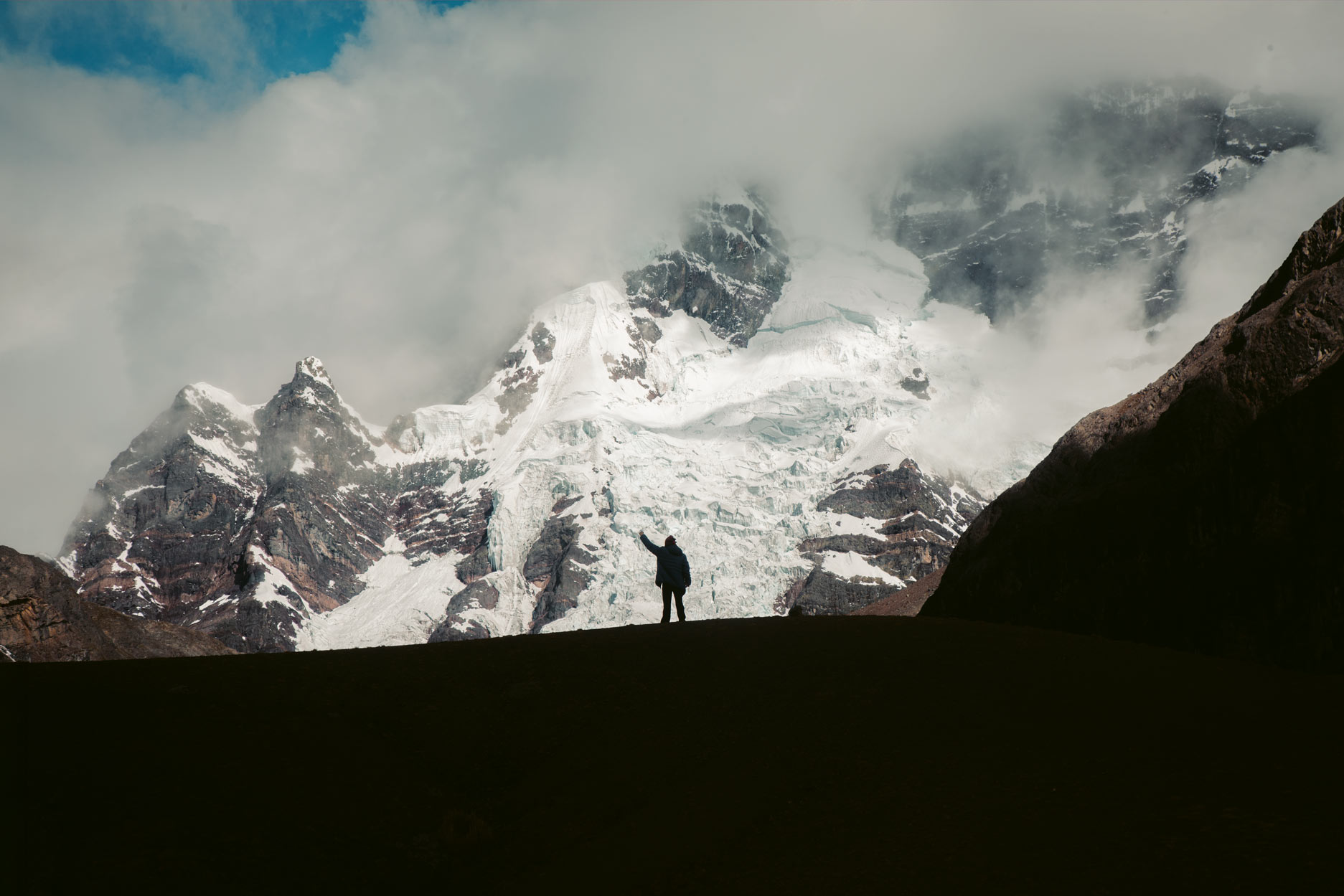
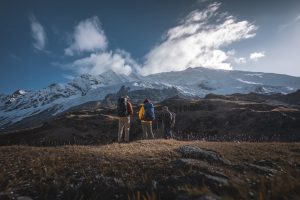
It goes without saying that the star of the show is Ausangate Mountain itself. Towering above, it guides you the entire way, covered in vast glaciers and lagoons that sparkle like jewels.
Colorful Landscapes
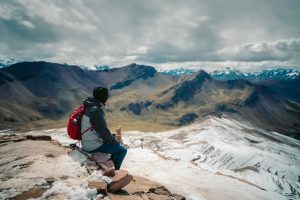
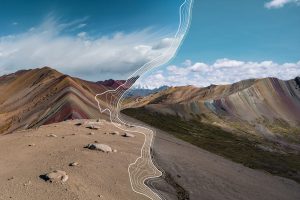
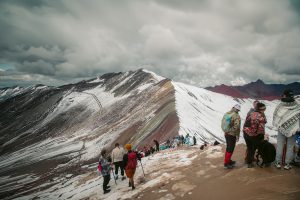
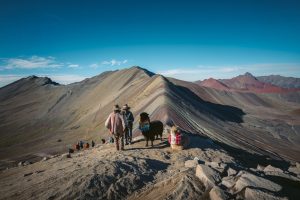
Sure you can expect to see vast grassy valleys and rocky slopes, but you’re also treated to some stunning color contrasts, especially as you reach Vinicunca, also known as Rainbow Mountain. The minerals in the earth have caused a rainbow effect that displays green, yellow, and red hues. Nearby is the Red Valley that many tourists aliken to stepping foot on Mars due to the deep red color of the earth.
Glacial Lakes & Crystalline Lagoons
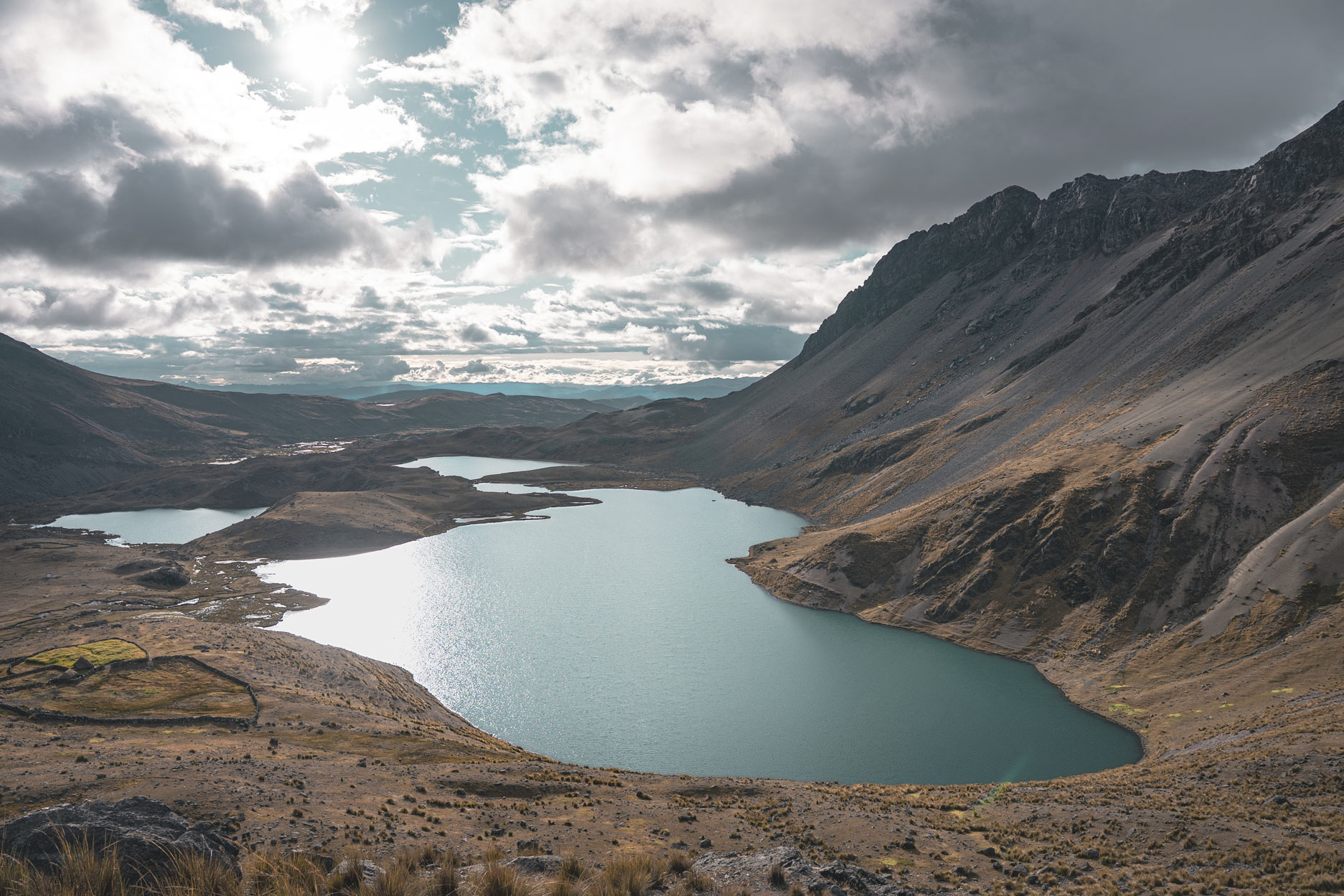
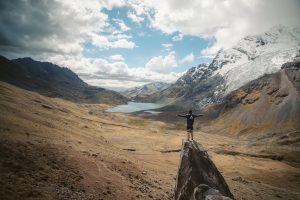
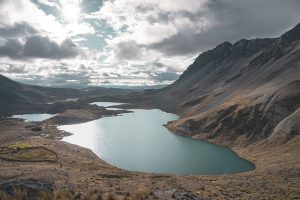
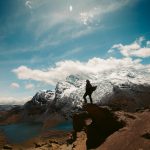
Gigantic white glaciers sit as the backdrop to green, blue, and turquoise lagoons, creating a peaceful atmosphere far away from the busy nature of everyday life.
Local Quechua Communities
Despite being remote and wild, small villages dot the landscape. Experience locals going about their daily lives, herding livestock and honoring ancient traditions. You get the chance to learn more about their culture from your guide and the locals themselves.
Encounters With Wilfdlife
The Andean mountains are home to a variety of camelids, so look out for alpacas, llamas, and vicuñas grazing in the valleys. It’s also a great zone for birdwatchers who might be lucky enough to spy kestrels, Andean geese, and even the majestic condor soaring above.
Medicinal Hot Springs
Towards the end of the trek, you arrive in Pacchanta where you find medicinal hot springs to soothe your sore, tired muscles. A welcome respite after days of hiking, we’re sure you’ll agree!
How Difficult Is The Ausangate Trek?
The Ausangate Trek is considered moderate to challenging, mainly due to the altitude. We recommend trekkers are in good physical condition, have strong mental endurance, have acclimatized in Cusco beforehand, and are comfortable camping in colder climates. The trek may be tough but it’s extremely rewarding!
When Is The Best Time Of Year To Trek Ausangate
The dry season is without doubt the best time of year to do the Ausangate Trek. From May to September, skies are generally clear and the weather is more stable. The nights might be a little crisp, but this period is best for stunning mountain views and snapping some great photos.
It’s not ideal to travel during the rainy season and snow, rain, and even trail closures are possible, but that doesn’t mean you can’t attempt the hike if you want to. Just be sure to take extra precautions and be wary of what might lie ahead.
In April and October, the weather is quite variable but still manageable. This is a peak time to travel if you want to experience the route with fewer trekkers but still enjoy a relatively pleasant climate.
What To Take On The Ausangate Trek
We think you’ll agree that packing correctly makes a huge difference. There’s nothing worse than being caught in the rain when you forgot to pack waterproofs!
Here are the most essential items to take on the Ausangate Trek:
Valid Passport: Don’t leave the city without your passport. Not only do you need it to book the trek but you also need to stop at various checkpoints along the trail and must show your passport.
Money: Seen something you want to buy on the route? Whether it’s a textile at a local community or a bag of your favorite chips at a snack shop, you need to take some cash. We suggest Peruvian soles as US dollars won’t be accepted at many locations.
Personal Medication: Taking any personal medication you think you might need is essential as there won’t be a chance to get any once you start the trek.
Water Bottle: Bring your own water bottle to reduce waste along the trail and save yourself a few bucks. Chefs provide boiled and sanitized water at meal times so you can fill up.
Sunblock: At high altitude the sun’s rays are much stronger and can cause sunburn in minutes. Choosing a sunblock of factor 70 or more ensures you stay protected.
Toiletries/Personal Care Products: Toothbrush, toothpaste, razors, soaps, wet wipes. Make sure you bring it all to keep yourself feeling fresh throughout the trip.
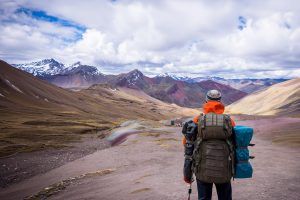
Layered clothing: The weather can change quickly at this altitude, so thin but many layers are best. We suggest you pack thermals, trekking pants, sweater, warm jacket, waterproof jacket and warm trekking socks.
Hats: Bring a wool hat for the colder periods and a sun hat for when it’s hot. A sun hat with a big rim and neck cover provides the best protection. You can add a scarf for the cold and your sunnies to protect your eyes against the sun’s glare.
Accommodation And Food
Due to the remote nature of the Ausangate Trek, accommodation is camping along the entire route. When you travel with a tour operator, you will get quality tents and sleeping mats to keep you comfy during the night.
Trekkers get a dedicated chef who makes nutritious meals three times a day using local, quality ingredients. You also get boiled, purified water that’s safe to drink so you don’t need to buy any on the trail.
Trekking With A Tour Operator Vs Independently
For most trekkers, a guided trek is much safer and more practical than going it alone. Our guides have hiked this route numerous times and know how to navigate the remote trails in the safest and most comfortable way possible. They’re able to deal with weather changes and know how to handle things if someone falls ill with altitude sickness.
Choosing to trek with a tour operator also means that the logistics are taken care of, including transport, camps, meals, and certain equipment. This takes a lot of strain off of travellers when arranging their visit.
Why Practice Responsible Tourism?
The Ausangate Trek is rich in culture and biodiversity and it’s essential we protect this as best we can. That’s where responsible tourism comes in.
Tour operators make sure the local economy is supported by providing fair wages and that the tourism is beneficial to the host communities rather than putting a strain on their resources.
Trekkers can play their part, too, by sticking to the designated paths and following their guide and the advice they give. You can bring your own drinking bottle to reduce plastic waste and take any waste you do have with you.
We ensure guides and trekkers avoid disturbing the local wildlife and support the local communities by buying goods and textiles made by them.
Tips To Prepare For The Ausangate Trek
Are you ready to take on the challenge of the Ausangate Trek? If so, you need to prepare to ensure you have the best time possible. Here are our top tips!
Book well in advance to avoid missing out on your preferred date. Although this route is far less travelled than the Inca Trail or Salkantay Trek, tour operators will still have a limited number of guides, so planning with plenty of time to spare should mean you can travel and enjoy the trek when it suits you.
The route is physically challenging in parts, so we recommend getting plenty of exercise in and practice hikes before you come to Peru. This way, you’ll be used to longer stretches of walking. Exercises should include leg and core strengthening as well as cardiovascular training, which will be particularly useful when you’re at high altitude.
And speaking of high altitude, the trek reaches heights of 5,200 m / 17,060 ft, which can be straining on you physically. It’s best to arrive in Cusco a few days before your trek to acclimatize properly. We recommend limiting or avoiding alcohol altogether during this period and buying some medication to help if necessary.
On the circuit, you can preserve energy levels by sipping water at regular intervals and keeping snacks close by in case you need a boost between meals. Walking slowly and steadily will help to avoid you getting overtired.
Take On The Challenge Of The Ausangate Trek
Raw. Remote. Stunningly beautiful. The Ausangate Trek has everything you’d want from an alpine adventure in the Andes. Whether you’re drawn by the contrasting landscapes, rural communities, or the thrill of the remoteness, Ausangate is the journey of a lifetime and it’s waiting for you in Peru.
Ausangate Trek FAQs: Everything You Need to Know Before You Go
What is the Ausangate Trek and why is it famous?
The Ausangate Trek is one of Peru’s most spectacular and challenging alpine circuits. Unlike the Inca Trail, it does not focus on Incan ruins, but rather on pristine high-altitude landscapes. It is famous for its towering glaciers (including Mount Ausangate at 6,384 m / 20,944 ft), vibrant turquoise alpine lakes, traditional Quechua herding communities, and its proximity to the famous Rainbow Mountain.
How difficult is the Ausangate Trek and how many days does it take?
The Ausangate Trek is classified as challenging to strenuous. The classic circuit typically takes 5 days and 4 nights, covering a distance of approximately 55 to 70 kilometers (34 to 43 miles). What makes it difficult is not technical climbing, but the fact that nearly the entire trek takes place above 4,000 meters (13,123 feet).
What is the maximum altitude reached on the Ausangate Trek?
The highest point on the classic Ausangate route is the Palomani Pass, sitting at a breathtaking 5,200 meters (17,060 feet) above sea level. Another major high-altitude obstacle is the Condor Pass at 4,900 meters (16,076 feet), meaning proper altitude acclimatization is absolutely non-negotiable.
How do I avoid altitude sickness on the Ausangate Trek?
To minimize the risk of altitude sickness (soroche), you should spend a minimum of 3 days in Cusco (3,400 m) or the Sacred Valley prior to starting the trek. While hiking, maintain a slow and steady pace, drink plenty of water, avoid heavy meals, and consider consulting a doctor beforehand about altitude medication like Diamox.
When is the best time of year to hike the Ausangate Trek?
These months offer sunny days and clear skies, providing the best views of the glaciers. However, keep in mind that alpine nights are freezing, with temperatures frequently dropping well below freezing (0°C to -10°C / 32°F to 14°F).
Can you do the Ausangate Trek without a guide (unguided)?
Yes, it is possible, but it is only recommended for self-sufficient, experienced alpine trekkers. The trail is sparsely marked, and there is zero cellular service. If going unguided, you must carry cold-weather gear, a reliable GPS route, a water filtration system, and all your food. For most hikers, booking with a reputable local agency is the safest option.
What is the ultimate packing list for the Ausangate Trek?
Due to the extreme alpine weather, layering is essential. Your packing list must include: moisture-wicking base layers, a heavy down jacket, a waterproof shell, sturdy worn-in hiking boots, gloves, a warm beanie, UV-protection sunglasses, high-SPF sunscreen, and a sleeping bag rated for at least -10°C (14°F) or lower.
Does the Ausangate Trek include a visit to Rainbow Mountain?
Yes, most modern 5-day Ausangate itineraries include an extension or detour to Vinicunca (the Rainbow Mountain). The advantage of seeing it via the Ausangate Trek is that you will arrive early in the morning, enjoying the spectacular views before the massive crowds of day-trippers from Cusco arrive.
Where do you sleep during the Ausangate Trek?
Accommodations on this route consist of high-altitude wilderness campsites under the stars using 3- or 4-season tents. However, in some communities along the trail (such as Upis and Pacchanta), you can find basic, rustic eco-lodges managed by local families, alongside soothing natural hot springs.
How do you get to the Ausangate Trek trailhead from Cusco?
The traditional starting point for the trek is the small town of Tinki (or the nearby community of Upis). To get there from Cusco, you can take private transport or a public bus heading towards Ocongate via the Interoceanic Highway, which takes about 3 hours. If you book through a trekking agency, round-trip transport from your Cusco hotel is fully included.
Related Articles

You might also like
Leave A Reply