
High mountain lovers, this one’s for you.
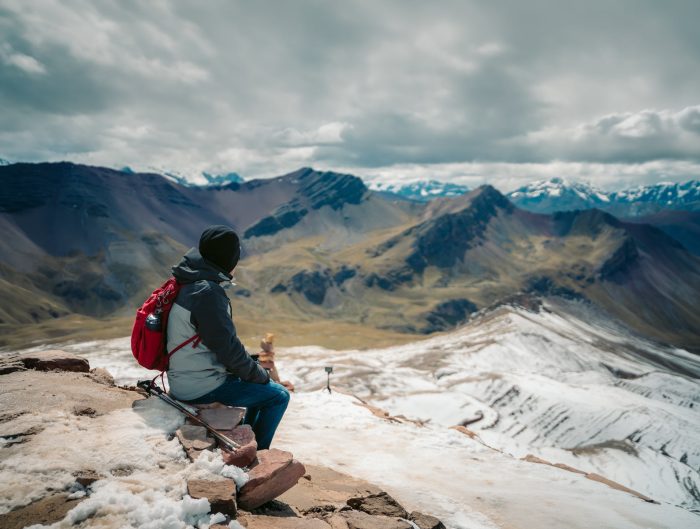
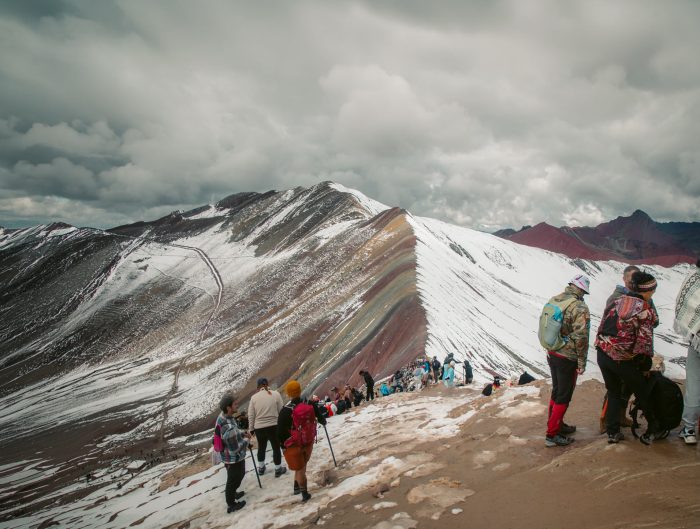
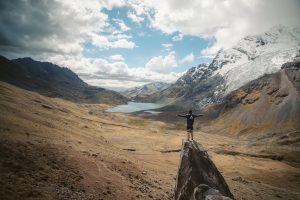
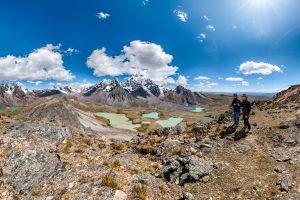
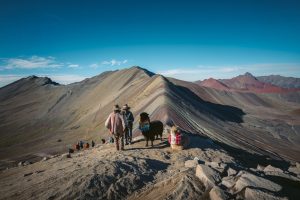
Have you been dreaming of brilliant turquoise lakes, wandering herds of alpacas, and rainbow-striped mountains rising straight out of red valleys? Yes? Then the Ausangate Trek should absolutely be on your bucket list. It’s wild, it’s remote, it’s breathtaking in every sense of the word.
At over 5,200 m / 17,060 ft at its highest point, Ausangate isn’t just a hike. It’s an adventure that demands preparation, respect, and a decent amount of snacks.
So, how do you get ready for one of Peru’s most iconic high-altitude routes? Grab a cup of coffee (or coca tea if you’re already in Cusco), settle in, and let’s go through everything you need: altitude training, physical preparation, mental readiness, and the essential gear that’ll make your trek comfortable, safe, and full of “wow, look at that!” moments.
Table of Contents
Why Proper Preparation Matters For Ausangate
Ausangate is more remote than the classic Andean treks like Salkantay or the Inca Trail. There are fewer villages, fewer hikers, and zero Wi-Fi (which, depending on your relationship with social media, is either a terrifying loss or a welcome break).
You’ll be hiking at consistently high elevations, sleeping cold, and moving across mountain passes that can leave your lungs politely asking you what on earth you’re doing.
But here’s the good news: with the right prep, Ausangate is incredibly doable and one of the most rewarding experiences you’ll ever have.
This trek rewards preparation with serenity, views straight out of a painting, and the satisfying feeling of being very small in a truly magnificent world.
PART I: Altitude Training – Your New Best Friend
Altitude is the main challenge of the Ausangate Trek. Even the “low” parts sit around 4,100 m / 13,451 ft. For reference, that’s higher than most mountaintops in Europe.
So let’s break down how to get your body ready for thin air to make the most of your Andean adventure.
1. Arrive Early And Acclimate Properly
If you take only one piece of advice from this article, let it be this: Spend at least 2-3 days in Cusco or the Sacred Valley before starting the Ausangate Trek.
Your red blood cells need time to adjust, and no amount of gym training at sea level can replicate actual high-altitude conditions. Seriously. Altitude isn’t picky when it comes to deciding who will feel its full force.
Ideal Acclimation Timeline
- Day 1: Arrive in Cusco, stay hydrated, walk around slowly, resist the urge to pretend you’re invincible.
- Day 2: Gentle day: visit nearby ruins (Sacsayhuamán, Q’enqo, Puka Pukara).
- Day 3: Light acclimatization hike (Humantay Lake only if you’re already feeling strong; otherwise Pisac or Chinchero).
- Day 4+: Begin the Ausangate Trek.
You’ll feel the difference. Trust us.
2. Hydration Is Your Secret Weapon
At altitude, your body loses water faster through respiration. The air is dry, your breath is deep, and suddenly you’ve forgotten to drink for three hours because everything around you is too pretty.
Aim for 3-4 liters of water per day and feel free to add electrolytes.
Bonus points if you avoid alcohol during acclimation. We know Cusco’s pisco sours are tempting, but they may very well betray you.
3. Train Your Lungs With Cardiovascular Exercise
Altitude can feel like you’ve just run for your life, even though you haven’t moved an inch. You probably can’t increase oxygen levels at home, but you can strengthen your cardiovascular base.
Recommended Pre-Trek Training (6-8 weeks out):
- Running or jogging 3-4 times a week (30-60 minutes)
- Stair climbing or uphill treadmill workouts
- HIIT sessions for lung endurance
- Long weekend hikes with elevation gain
If you can reach nearby hills or mountains, even better.
Pro Tip:
Bring a small pack on your training hikes. Your future self on the trail will thank you.
4. Slow And Steady Wins Every Time
Even if you feel like a superhero at the start of Day 1, pacing is everything. The people who rush when it comes to altitude are often the same people who end up miserable by lunchtime.
Follow the golden rule: “Walk like an 80-year-old enjoying a Sunday stroll.” You’ll finish strong every day.
5. Don’t Fear Coca Tea (Or Soroche Pills)
Locally, coca tea is a time-tested friend for mild altitude discomfort. Soroche pills (anti-altitude medication) can help too, but always check with your doctor before taking anything new. You can grab these in Cusco if you didn’t get any before you left home.
PART II: Physical Preparation – Build Those Mountain Legs
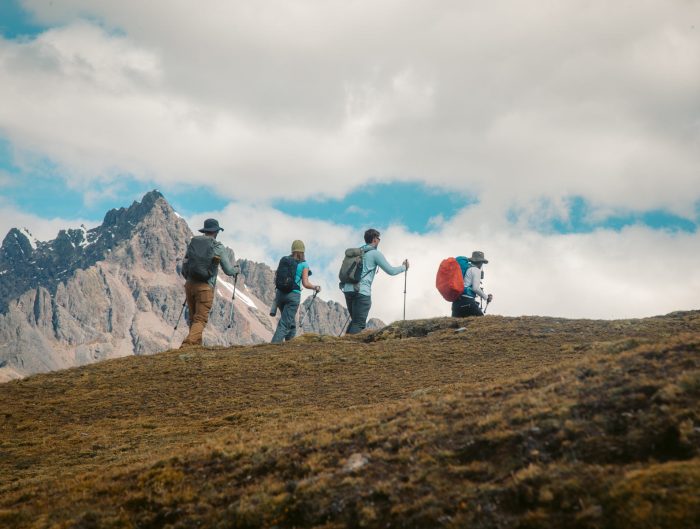
Ausangate isn’t technical, but it is a multi-day trek with long stretches over rocky paths, uneven terrain, and high altitude passes.
Your muscles need to be ready for the party.
1. Build Leg Strength
Leg strength makes the biggest difference to your daily comfort. Work these muscle groups:
- Quads (squats, lunges)
- Glutes (deadlifts, hip thrusts)
- Calves (calf raises)
- Hamstrings (Romanian deadlifts, bridges)
Possible Weekly Routine:
- 2 strength sessions
- 2 cardio sessions
- 1 long hike
Boom! Mountain legs engaged.
2. Train With Weight
Trekking packs often weigh 4-8 kg, depending on your gear. Start adding weight gradually while you train:
- 10% of your body weight = the sweet spot for training
- Increase distance before increasing weight
Your shoulders, back, and hips will feel more prepared on the actual trek with this advice.
3. Practice Long Days On Your Feet
The average trekking time per day on Ausangate is 5-8 hours. That’s pretty long. Build endurance by:
- Doing long walks/hikes every weekend
- Incorporating rolling hills
- Taking fewer breaks to simulate steady pacing
By the time you’re on the trail, your body will feel like you’re doing something familiar, not like you’ve just joined a surprise boot camp.
PART III: Essential Gear For The Ausangate Trek
Now for the fun part. Packing! What you bring will make a huge difference in both comfort and safety.
Here’s everything you’ll need for Ausangate’s cold nights, variable weather, and high mountain conditions.
1. Clothing Essentials
Base Layers
Your base layers are your first defense against the cold. Bring:
- Moisture-wicking tops (avoid cotton)
- Thermal leggings
- Lightweight wool or synthetic options
Mid Layers
Warmth without bulk:
- Fleece jacket or pullover
- Lightweight insulated jacket
Outer Layers (Your Big Shield)
- Waterproof jacket (good quality!)
- Waterproof trousers. Weather changes FAST at this altitude.
Trekking Trousers
- Stretchy, quick-drying
- Convertibles with a zip are handy
Gloves, Hat, Buff
Non-negotiable. Mornings and evenings are cold.
Warm Sleeping Clothes
- Thermal pyjamas
- Warm socks
- Wool hat for sleep. You’ll thank yourself at 2 am.
2. Footwear
Hiking Boots
Choose waterproof, broken-in (no blisters, please), and good ankle support
Camp Shoes
After 8 hours in boots, slipping into crocs or sports sandals feels like a spiritual experience.
Socks
Bring 2-3 pairs of wool or synthetic trekking socks. Your feet are VIPs. Treat them well.
3. Gear & Equipment
Backpack
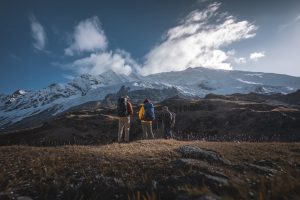
A 30-40 L daypack is perfect if trekking with a tour company that handles camping gear.
Look for one with a chest strap, hip belt, and rain cover.
Sleeping Bag
Aim for a comfort rating of -10°C to -15°C (14°F to 5°F). Nights hit freezing temps, even in dry season.
Trekking Poles
Not optional on this route. They’ll save your knees, your balance, and your dignity on steep descents.
Headlamp
For late-evening bathroom runs (and mysterious rustling outside your tent).
Sunglasses
There’s high UV exposure at this altitude. Protect your eyes!
Reusable Water Bottle Or Hydration Bladder
Peru’s plastic-reduction efforts are strong thanks to responsible tourism. Bring a 2-3 L capacity.
4. Personal Items
Essentials
- Sunscreen (high SPF)
- Lip balm (SPF 15+)
- Electrolytes
- Personal medications
- Small first-aid kit (band-aids, blister pads, ibuprofen)
Nice-to-Haves
- Portable charger
- Fast-drying towel
- Hand warmers
- Baby wipes (your shower for the week)
PART IV: Mental Preparation (Don’t Skip This!)
No one talks about this enough: mental strength is just as important as physical strength.
Ausangate tests you with:
- Cold mornings
- High passes
- Long days
- Thin air
- Sparse crowds
But it also rewards you with:
- Silence as you’ve never heard
- Stars so bright they look unreal
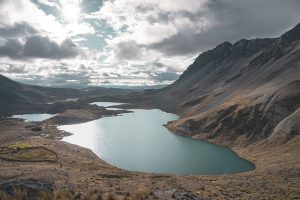
- Lakes the color of gemstones
- Local alpaca and llama herds wandering freely
- A deep sense of accomplishment
Here are our three mental tips that work wonders:
- Break the trek into checkpoints, not days. “Just to that ridge.” “Just to the next lake.”
- Embrace the slow. No rush. No pressure. This is your journey.
- Celebrate small wins. Reached a viewpoint? Drank enough water? Survived the cold night? Congratulations, you’re crushing it.
PART V: What To Expect On The Ausangate Trek (A Very Quick Walkthrough)
Day 1
Gentle altitude intro, wide open valleys, roaming alpacas, warm-up pace.
Days 2-3
Bigger climbs, jewel-colored lakes, glacier views, and the first high pass. You start to feel like you’ve entered a different world.
Day 4
A rewarding high-pass day with incredible glacier views and classic Ausangate scenery. It’s challenging but absolutely beautiful from start to finish.
Day 5
A triumphant final day with rolling hills and a scenic descent back to civilisation. Oh, and to your first hot shower in nearly a week.
Final Tips To Make Your Ausangate Trek Amazing
- Train early, train consistently. Your body will thank you at 5,000+ m.
- Don’t skimp on gear. Cold hands = bad mood.
- Eat often. Altitude burns calories like crazy.
- Follow your guide’s pace. Slow and steady wins the race.
- Take time for photos. This trek is absurdly beautiful.
- Be kind to yourself. You’re doing something extraordinary.
Ready For Ausangate?
With the right preparation, the Ausangate Trek becomes more than just a multi-day hike. It becomes a journey through some of Peru’s most breathtaking landscapes, a celebration of ancient Andean culture, and an experience you’ll remember for a lifetime.
And don’t forget: you’re not doing this alone. At Salkantay Trekking, we’re here to guide, support, and cheer you on all the way to the top of every stunning mountain pass.

Leave A Reply