
If you’ve spent even five minutes browsing travel Instagram, you’ve definitely seen it. We’re talking about that impossibly colorful Andean slope that looks suspiciously like Mother Nature got bored one afternoon and went crazy with a bunch of crayons. And if you’ve ever found yourself wondering, “Is Rainbow Mountain really worth it? Or is it one of those things people pretend to enjoy just for the photos?”, we get it.
Our answer? Yes. It’s worth it. But not for the reason you think.
Because Rainbow Mountain isn’t just a hike. It’s an awakening. A reality-check reminding you that the world is wilder, brighter, and more surprising than your brain likes to assume.
And by the time you’re standing at 17,000 feet taking in those stripes, you realize you’ve stumbled into something bigger than a picturesque landscape.
Want to know more?
Welcome to our deep dive into why Rainbow Mountain (Vinicunca) is one of the most unexpectedly meaningful experiences in the Andes and why it tends to leave people feeling a little, well… wonderstruck.
Table of Contents
The Road To A Technicolor Dream
One of the first surprises about Rainbow Mountain is how ordinary the start of the day feels. You start your journey rolling out of Cusco before dawn, sipping coffee in the van, silently pondering whether you’re really the kind of person who wakes up this early “for fun.” (You are. You just forget sometimes.)
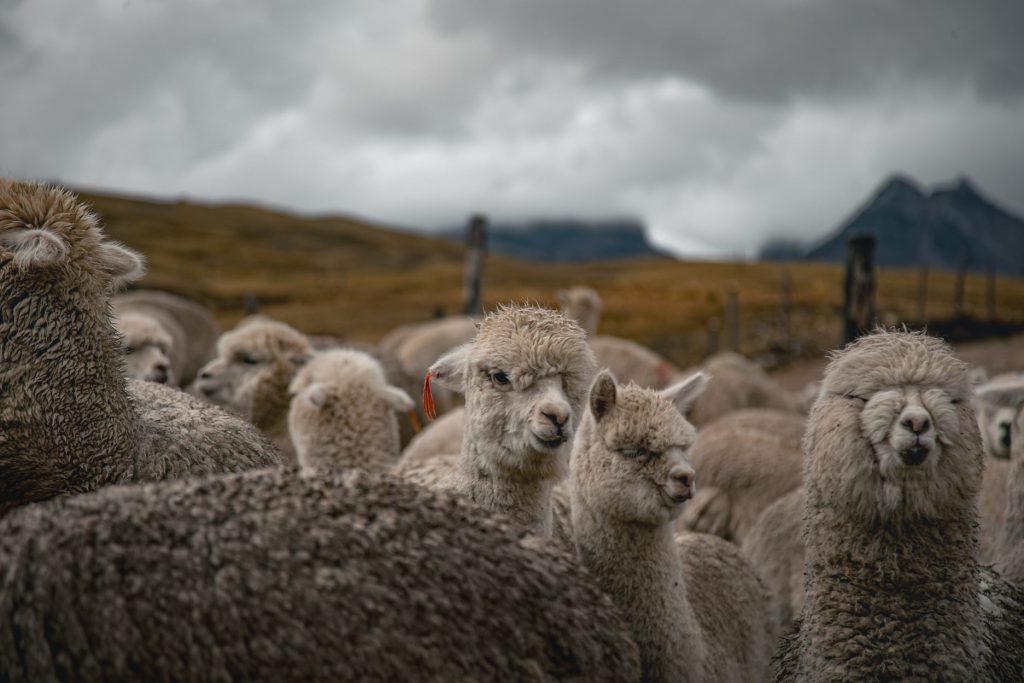
The drive takes you through small villages and sweeping valleys where alpacas wander around like they own the place, which, to be fair, they do.
As you climb higher, the colors soften into that chilly, early-morning Andean palette. Think pale gold light on peaceful hills, crisp air that wakes up every cell in your body, and the occasional cheerful wave from a local shepherd who’s been up way longer than you.
By the time you arrive at the trailhead, you’re awake, excited, and maybe slightly intimidated about what lies ahead. It’s not that the hike is technically hard. It’s just that minor detail of being at an altitude where your lungs file a complaint.
But even that becomes part of the charm. Rainbow Mountain doesn’t hurry you along. It’s kind of like it says, “Relax. You’re going to want to take this slow.” Take this advice and you’ll be just fine.
The Hike That Sets Your Heart Racing, In A Good Way
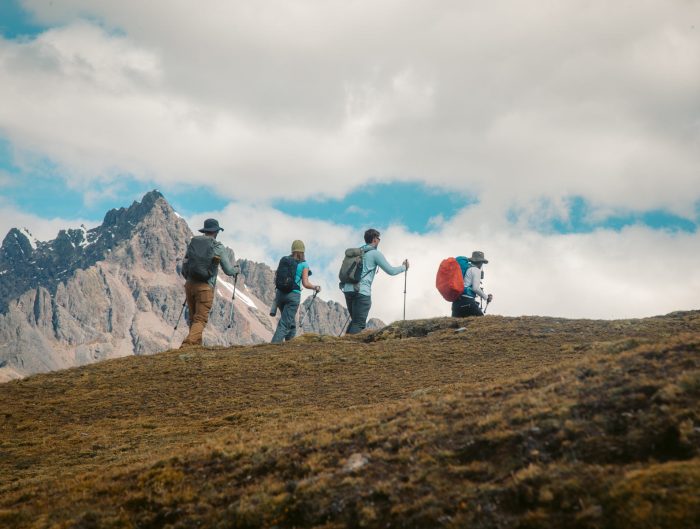
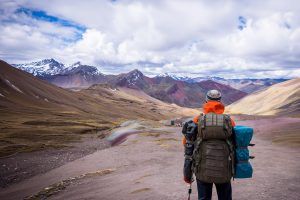
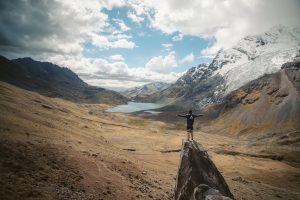
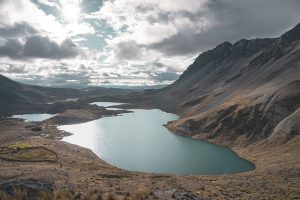
Let’s be honest: the first part of the trek feels pretty normal. The landscape is beautiful, sure, but also deceptively calm. You’ll see wide valleys, grazing animals, and Andean peaks touching the clouds.
You’re strolling along thinking, “This is nice,” taking breaks, snapping pictures of alpacas doing alpaca things, trying not to think about how thin the air is getting.
And then, almost without warning, the world begins to transform in front of your eyes.
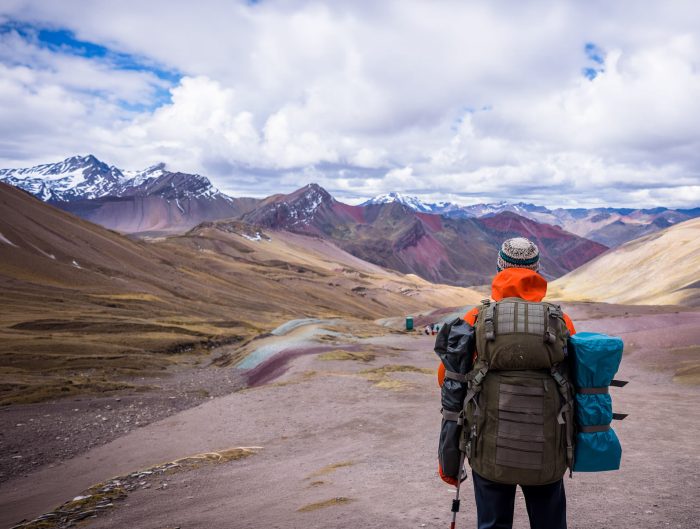
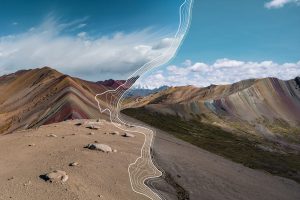
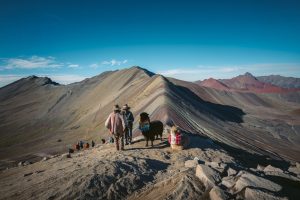
The ground shifts from earthy browns to dusty pinks. You begin to notice streaks of green on the slopes. Small ridges appear with soft lavender and mustard-yellow shades.
It hits you that the colors aren’t painted on the rock’s surface but layered deep inside the mountain itself. A kind of accidental natural artwork that was formed long before anyone with a camera came to admire it.
It feels surreal. Magical. A little bit impossible.
This is the moment most travellers feel something shift, like the mountain gently nudges them and says, “Pay attention. The good stuff is coming.”
The Altitude: A Humbling, Hilarious Companion
Look, we’re not here to pretend altitude isn’t part of the experience. Rainbow Mountain sits above 17,000 feet, and you’ll know about it.
Altitude introduces itself early on in the hike. One minute you’re strolling happily along, and the next your body is like, “Erm, no thanks.”
But here’s the magic of it: altitude forces you to slow down. Like really slow down. And not in a frustrated way, but in an intentional, present in the moment way.
Every breath becomes a tiny meditation. Every step becomes a choice. Every pause becomes an opportunity to look around and realize how spectacular the world is when you’re not rushing through it.
People come for the color display, but this slower pace often becomes the unexpected treasure. It creates space, literal breathing room, for wonder to show up.
The View That Feels Like A Reward For Everything You’ve Ever Done Right
And then… you reach the top.
You take those last few careful steps over the ridge and suddenly your brain stops all internal monologue.
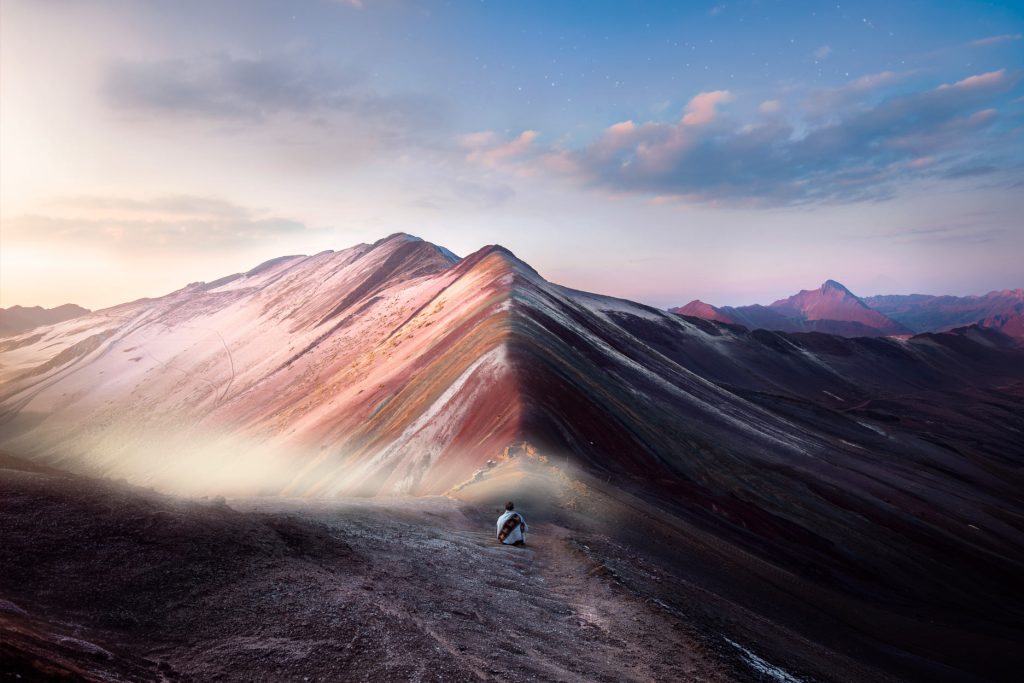
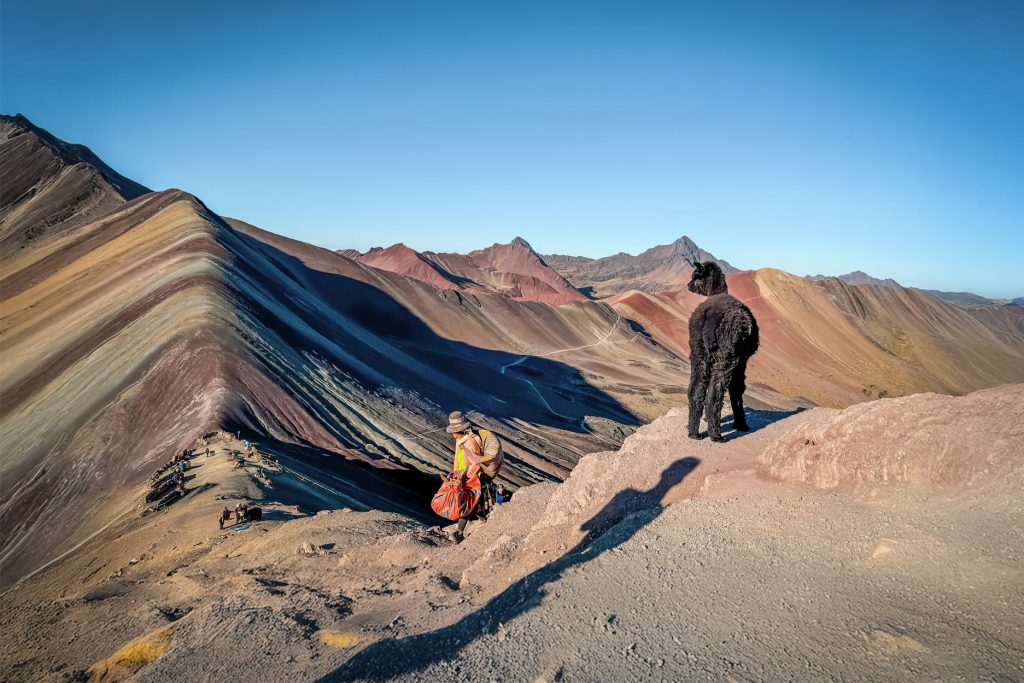
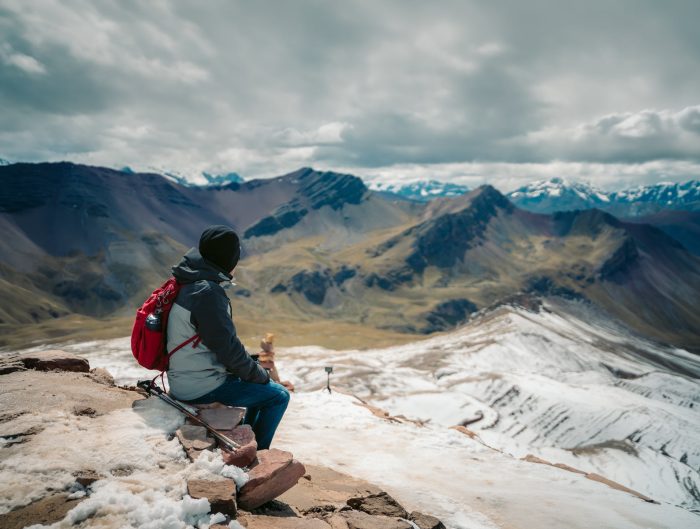
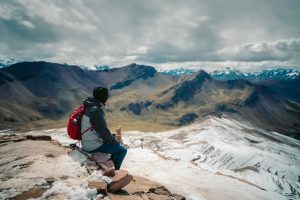
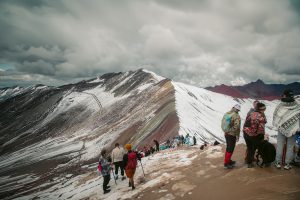
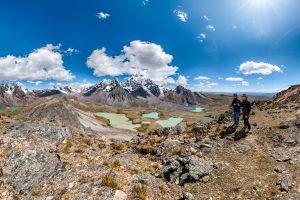
As you look down, you see the colors rippling beneath your feet. Reds, greens, and gold-brown stripes that look painted. Behind the mountain, deep red valleys stretch into the distance like something out of an alien landscape. No, you’re still on planet Earth despite what you’re brain is telling you.
Snow peaks sit majestically on the horizon. The air is thin, cold, and clean. Oh so clean.
It’s impossible, impossible, not to be moved.
Some people cry. Some go completely quiet. Some laugh uncontrollably. Some try to take 400 pictures in 60 seconds. (We support all reactions equally.) But the overwhelming consensus is the same:
It’s not just beautiful. It’s transformative.
You don’t just see the mountain, you feel it.
Up there, you’re reminded that the world is far more extreme, more vibrant, and more creative than we tend to think about in our day-to-day lives. Looking out over Rainbow Mountain is like hitting a big red reset button for your sense of awe.
The Cultural Heartbeat Of Ausangate
Rainbow Mountain isn’t just a remote colorful spectacle sat all by itself in the middle of the Andes. It lives within a living, breathing community.
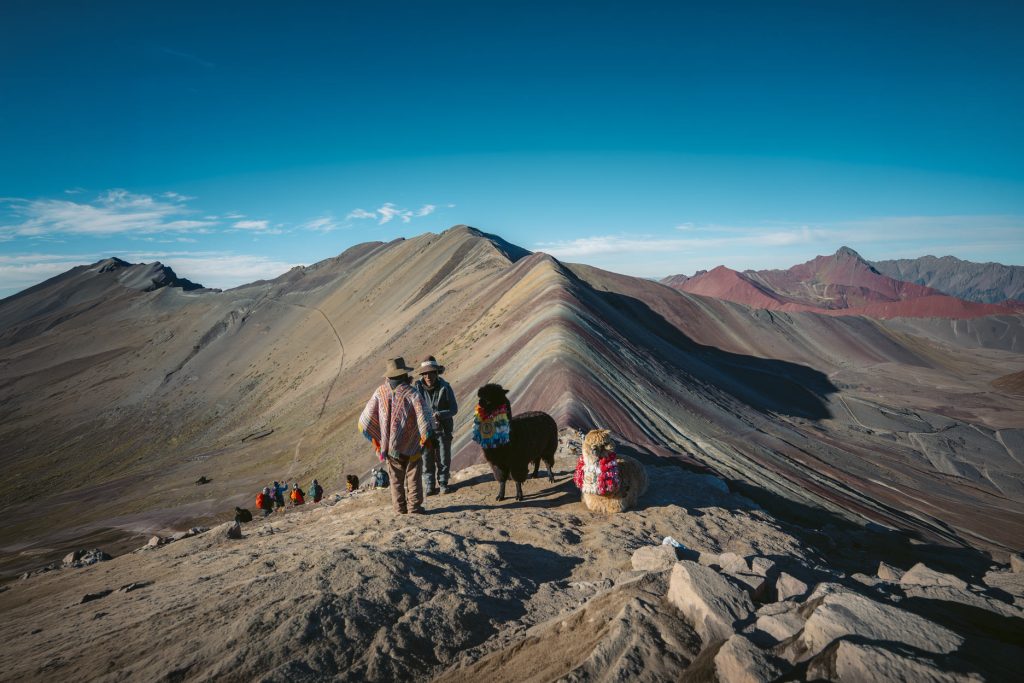
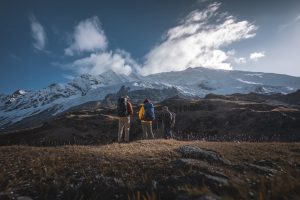
As you hike, you’ll pass locals herding llamas, women in traditional skirts carrying bundles of supplies, and farmers tending their high-altitude crops. These families are part of the Ausangate region and see it as a place where the mountains are sacred, the land is ancestral, and life moves in rhythm with the seasons.
And something about seeing people going about their daily lives in this dramatic landscape adds depth to the experience. It makes you realize the mountain isn’t just yours to stare at. It’s a shared space, and a home to many.
You may now feel a shift from “Wow, this is beautiful” to “Wow, I’m lucky to be here.”
The Descent: When Everything Hits You at Once
The way down always feels different to the way up on the Rainbow Mountain hike.
Your lungs relax. Your legs remember they’re attached to you. Your brain slowly comes back to the land of the living yet somehow feels lighter, brighter, and a little more spacious.
This is usually when the introspective comments start rolling in, like “I didn’t realise how much I needed this” or “I’d suffer that altitude again in a heartbeat.”
It’s also when you start noticing how every hiker, guide, and alpaca you pass seems to glow with that same buzz of post-wonder energy.
Rainbow Mountain has that effect. It pulls you into a shared sense of gratitude.
The Photos Are Amazing… But They’re Not The Point
Yes, your photos will be spectacular. They’ll make your friends suspicious and cause at least three people to ask, “Is this Photoshopped?” They’re seriously that insane.
But the thing about Rainbow Mountain is that the photos are not the main takeaway. The feeling is.
It’s the breath you took at the summit that felt like it reached your soul. It’s the slow steps that reminded you to be present. It’s the ridiculous sense of achievement knowing you’ve reached heights higher than most clouds. It’s the emotional reset you didn’t know you needed.
The wonder is the real souvenir. It’s the kind that follows you home and stays with you for years to come.
So… Is Rainbow Mountain More Than Just a Hike? Absolutely.
It’s a lesson in wonder. A reminder to slow down. A colorful wake-up call for your inner explorer. An emotional encounter with nature. A story you tell forever.
And once you’ve stood on that viewpoint, feeling tiny and infinite at the same time, you’ll understand why travellers come home from Rainbow Mountain, Peru, looking a little more alive.
Ready to feel that yourself? Get on over to Peru, lace up your boots, and head to the trail.
See you on the mountain.

You might also like
Leave A Reply