
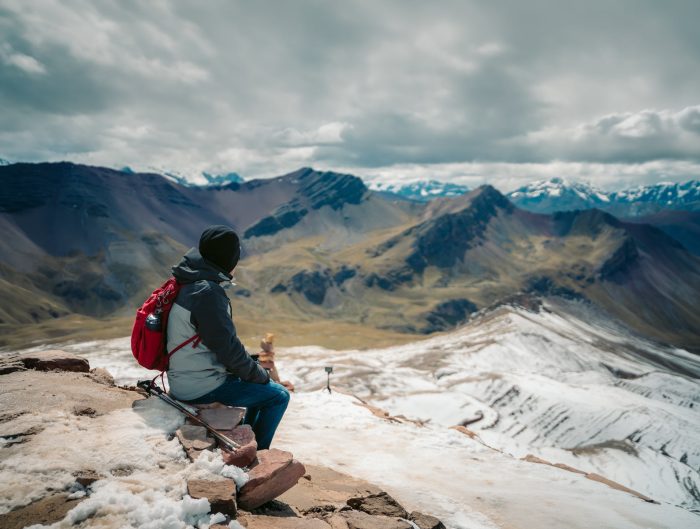
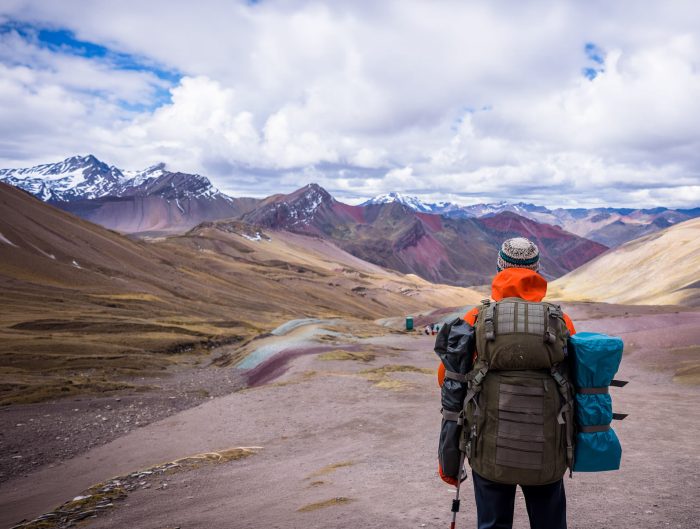
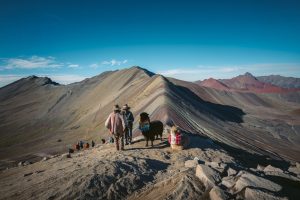
If someone told you there was a mountain painted in multi-colored stripes, you’d probably roll your eyes. But yes, Rainbow Mountain (Vinicunca) is real, and it’s even more surreal than you imagine. Stripes of red, yellow, green, and purple streak across mountain peaks and valleys, framed by snow-capped Andean giants.
From a distance, parts of the landscape could be mistaken for Austria: rolling green valleys, crisp alpine air, and grazing livestock that give off some serious “What are you staring at?” vibes. Except, you’re nowhere near Europe, you’re in Peru, and it’s a whole other level of magic.
And here’s the bonus part. These mountains aren’t just a pretty backdrop for your photos. They’re sacred, filled with centuries of Andean traditions. Every step on this trek is a mix of adventure, awe, and the occasional “Why am I wheezing so much?” moment.
Table of Contents
A Rainbow You Can Actually Walk On
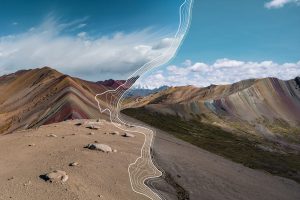
So, what exactly makes Rainbow Mountain so rainbow-y? No, it’s not Photoshop or some natural dye experiment gone wrong. The colors come from mineral deposits layered over thousands of years. Iron oxide gives the reds, copper the greens, and a mix of other minerals creates the yellows and purples. You might be mistaken in thinking Mother Nature went a little crazy with a paintbrush.
The higher you climb, the more the colors pop, and the more your lungs scream at you. Trust us, you’ll be gasping for air, but it’s worth every wheeze.
Bonus tip: if you’re a photographer (or just love bragging on your socials), sunrise and late afternoon light are your best friends. The colors shift by the second, making every snap unique.
Austria, But Make It Andean
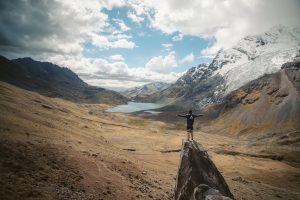
We’ve said it above and we’ll say it again. Some parts of the trail genuinely feel like you’ve wandered into Austria: rolling green hills, alpine-like meadows, and crystal-clear streams. Then you spot a llama chewing something that looks suspiciously like your leftover granola bar, and suddenly you remember you’re in the Andes.
It’s a surreal mashup. On one side, you have the familiarity of European mountains. On the other, everything is just… Andes. Llamas, fields of crops, and tiny villages dotting the valleys. It’s a bit like walking into a postcard that’s been sprinkled with magic dust (and possibly alpaca fur).
Sacred Mountains Mean Sacred Stories
Rainbow Mountain isn’t just easy on the eye. Locals see these peaks as Apus, sacred mountain spirits that protect the land and watch over them. Small offerings of coca leaves and bundles of herbs can be spotted along the trail, left by villagers who’ve lived here for generations.
Your guide will probably share stories of the mountains’ powers, like how they control weather, crops, and even local moods. It’s a reminder that you’re stepping into a landscape that people don’t just admire, they honor it. Taking a quiet moment at one of these spots, even just to breathe and appreciate, makes the trek feel more meaningful than any social media post could ever convey.
Altitude: The Not-So-Fun Challenge
Let’s get real. Rainbow Mountain tops out at over 16,000 feet (5,300 meters), which means your lungs might file a formal complaint halfway up. Even seasoned hikers can feel dizzy, lightheaded, or like they’re about to spontaneously combust.
Tips for surviving high-altitude madness (take note):
- Acclimatize first: Spend a few days in Cusco or nearby towns. Walk around, sip coca tea, and pretend you’re a local. Stock up on meds if you start to feel seriously queasy.
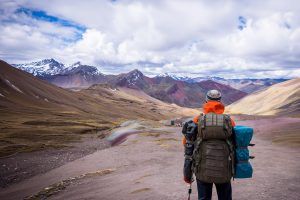
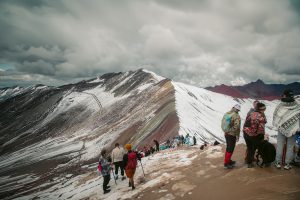
- Layer up: The weather can switch from sunny to snowy in minutes. Seriously, don’t be the person freezing in a hoodie while everyone else is wearing ski jackets.
- Take breaks: No one’s judging. Stop, breathe, take photos, and wave at llamas.
- Snack smart: Pack energy bars, fruit, and chocolate. Your lungs and legs will thank you.
The Trail: Peaks, Valleys, And Alpacas
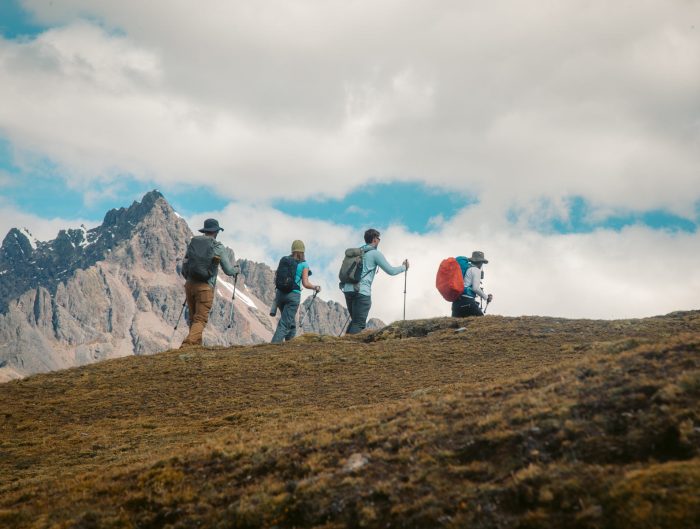
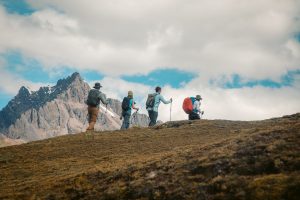
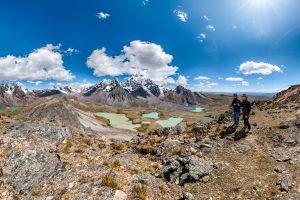
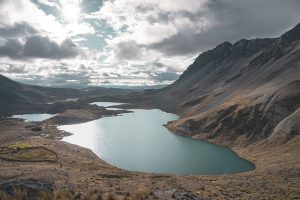
The hike starts relatively gently with rolling hills and turquoise lakes. Early on, you’ll start to spot faint red and yellow streaks on smaller hills. Keep climbing. Eventually, the full rainbow reveals itself in all its technicolor glory.
Expect plenty of sights along the way. Curious alpacas, wildflowers among rocky soil, and the occasional local offering of handwoven textiles or handmade snacks. Each breath is a reminder of just how spectacular the world can be.
Tips For The Trekking Survivalist
Want to make the most of your day at Rainbow Mountain? Here’s how:
- Go early: Beat the crowds and catch the best light.
- Hire a guide: They know the trails, the stories, and where the llamas hang out.
- Wear the right shoes: Good hiking boots are a must. Mud and rocks are not friends.
- Stay on paths: Respect local communities and fragile ecosystems.
Culture Along the Way
Small Andean villages are dotted throughout the route. Here, locals still grow potatoes and quinoa on terraces like they did centuries ago. People wear traditional clothing and might share a friendly wave or a story about the mountain spirits.
You might even spot a child patiently herding alpacas. These moments are what make Rainbow Mountain feel like more than just a hike. It’s a glimpse into a culture that’s lived and flourished in the shadow of these peaks for centuries.
Photography Like A Pro
For all the lens lovers, you’ll want to pack your best camera. There are a lot of good shots to take around here. People back home might think you turned the saturation up, but the landscape really is that incredible.
Check out our photography tips:
- Sunrise & sunset: Most dramatic light, fewer tourists.
- Wide-angle lens: Captures both rainbow hills and surrounding peaks.
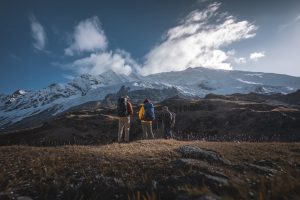
- Include scale: Pop an alpaca, llama, or human in the frame. Nothing says “majestic” like a tiny human dwarfed by the Andes.
- Experiment with angles: Just don’t fall off a cliff while trying to get that perfect shot.
Post-Hike Zen
Reaching the summit is a mix of awe, exhaustion, and utter delight. Breathing in the crisp air, gazing at the rainbow-striped hills, and maybe laughing at your own wheezing lungs is strangely euphoric.
On the way down, the perspective shifts. Suddenly, the green valleys, winding streams, and grazing animals create a landscape that’s almost cozy, reminiscent of Austria’s Alps. But nope. You’re still in Peru.
Practical Advice for Rainbow Mountain Visitors
Ready for a trip to Vinicunca? Take note of the following:
- Best season: May to September for dry trails.
- Altitude hacks: Consider coca tea or altitude tablets if you’re prone to dizziness.
- Tour options: Guided treks are safer, faster, and give more cultural insights.
- What to take: Sunglasses, sunscreen, a camera with lots of memory, and your sense of wonder.
Why You Can’t Miss It
Rainbow Mountain isn’t just a hike. It’s a full-on sensory, cultural, and emotional experience. The colors, the air, the llamas, the sacred mountains, the Alps-meets-Peru vibe. It’s a bundle of adventure that’ll stick with you long after your boots are back in the attic. So lace up, layer up, and get ready to meet one of the Andes’ most spectacular wonders.

You might also like
Leave A Reply