
If trekking had an award for “spirit journey”, the Ausangate Trek would win it hands-down.
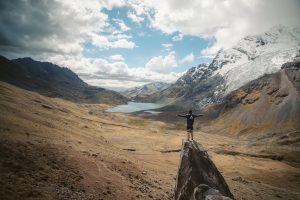
Sure, Machu Picchu gets all the postcards, but Ausangate, towering, remote, covered in glaciers, and full of legendary tales, is where the Andes reveal what they’re really all about. Sacred mountains, stunning blue lagoons, and an entire belief system woven into the landscape and its communities.
This is the trek where geography turns into something mythical. Where every peak has a personality, every lagoon has a story to tell, and the air feels a little bit magical (and thin, very thin).
Fascinated? Here’s your guide to the symbols and natural wonders that will accompany you on this high-altitude adventure around Apu Ausangate.
Table of Contents
The Apus: Mountain Spirits That Watch Over You
In the Andean view of the world, mountains aren’t just mountains; they’re ‘Apus’. They’re seen as powerful protector spirits that care for the weather, livestock, crops, and the wellbeing of the community. In short, they’re a very big deal.
Ausangate itself is one of the most important Apus in all of Peru. Locals believe it watches over the entire Cusco region, and when you’re walking beneath its towering 6,384-metre peak, it’s easy to understand why.
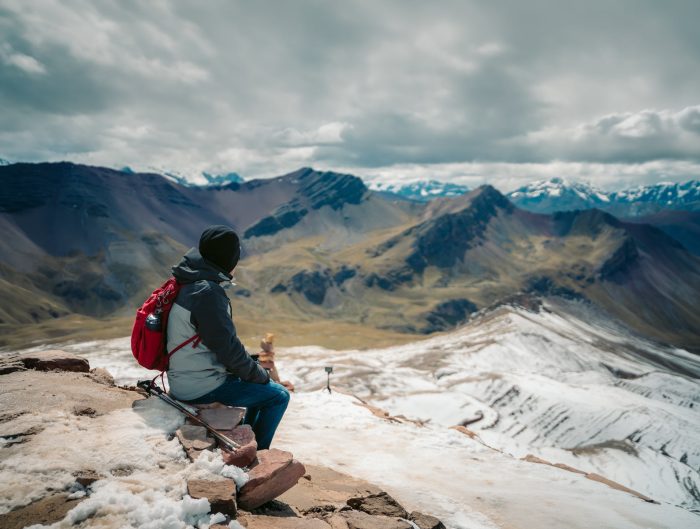
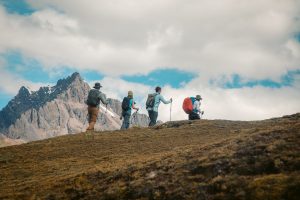
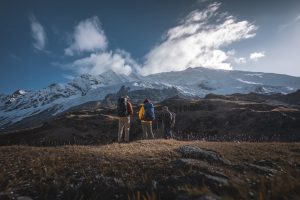
Other peaks (Mariposa, Pucapunta, and plenty more) form a circle around you as you walk, each one with its own story. Even if you arrive with zero knowledge of Andean cosmology, it’s hard not to sense why these summits became spiritual figures. Their presence is unmistakable.
Glaciers: Ancient Giants Frozen In Time
This trek is a front-row seat to some of Peru’s most incredible glaciers. Imagine waking up to the sound of cracking ice, looking out of your tent, and seeing a frozen river spilling down a mountainside.
These glaciers aren’t just here for you to take some stunning photos (although they deliver plenty of those):
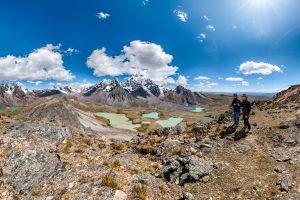
- They feed the turquoise lagoons you’ll visit along the trail.
- They provide water to isolated highland communities.
- They’re central to local ceremonies and offerings are made to them during the Qoyllur Rit’i festival, one of the most extraordinary spiritual events in the Andes.
On Ausangate, the glaciers almost feel alive. Sure they’re quiet, but they’re far from sedentary. They groan, shift, sparkle, and fracture in the sun, reminding you that nature is always changing and adapting.
Lagoons: The Jewels In The Mountains
Every Andean trek has its stunning views. Ausangate, however, has something more. It’s lagoons. And these aren’t your average mountain lakes.
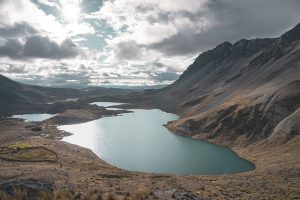
Some are so intensely blue they look digitally enhanced. Others shift colors with the wind. A few appear suddenly as you walk, tucked beneath cliffs as if they were secrets the mountain forgot to hide properly.
A few of our lagoon highlights include:
- Pucacocha: A deep, dramatic shade of blue with walls of ice as its backdrop.
- Alqacocha: A calm, glass-like lagoon where mountains are reflected perfectly.
- Jatun Pucacocha: A larger lake that changes color with the light as if by magic.
For Andean communities, these lagoons aren’t simply pretty features. They’re living bodies connected to the Apus, fed by the glaciers, and central to rituals in which they ask for good harvests and healthy herds.
For trekkers, they’re unforgettable rest spots where you’ll probably spend far too long taking pictures and then realize no photo quite captures the colors properly. (But do make sure you try.)
Rainbow Mountain: The Show-Off (In The Nicest Way)
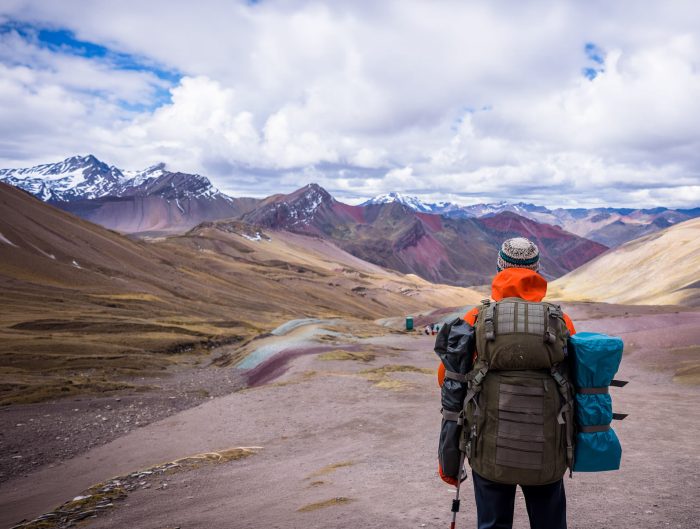
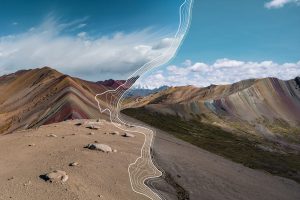
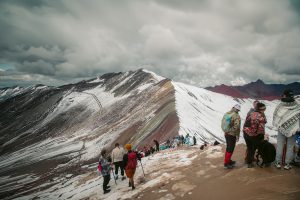
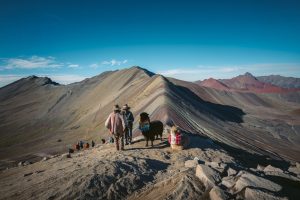
While not technically part of the original Ausangate circuit, many trekkers include Vinicunca (also known as Rainbow Mountain) at the end of the journey. It looks unreal, almost like a painter grabbed their brush and got a little carried away on their canvas.
Striped in reds, golds, greens, and blues, Rainbow Mountain is a visual reminder that the Andes aren’t just spiritually important, they’re naturally insane, too. In fact, this kind of landscape is only visible here in Peru and in China.
It’s the perfect finale to a trek filled with wonders.
Cultural Threads Everywhere You Go
Don’t get us wrong. There are so many incredible views and stunning landscapes along the trail, but the Ausangate Trek isn’t only about natural beauty. It’s a window into the daily lives and living culture of the Quechua people.
You’ll pass through tiny highland communities where alpaca herding is still a way of life, where weaving traditions go back thousands of years, and where the relationship with the mountains is profound and the Apus are greatly respected.
Don’t be surprised if you see Andean women spinning alpaca wool as if it were the most casual thing in the world, or encounter prayer offerings placed quietly on the rocks. These moments are as much a part of the trek as the landscapes.
Why These Symbols Matter To Travellers
Around the globe, there’s no shortage of epic hikes, but Ausangate offers something rarer: a landscape with a spiritual heartbeat.
You’re not just trekking through mountains; you’re trekking with them.
The lagoons, glaciers, and Apus aren’t just sights, they’re symbols. They connect you to an Andean worldview where nature is alive, powerful, and deserves gratitude and respect.
For many travellers, this trek becomes less about the distance covered and more about the perspective gained. We’re sure that when you return home, you’ll have a different view of the world around you.
A Journey For The Soul (And Your Calves)
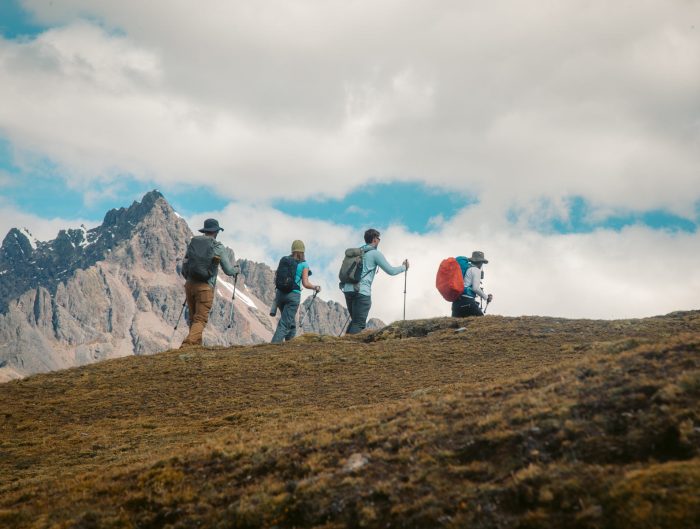
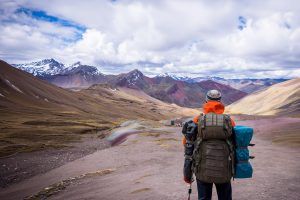
Make no mistake. The Ausangate Trek is challenging. High altitude, chilly nights, long days. But it’s also one of the most rewarding adventures in Peru.
You’ll experience:
- Lagoons formed by glaciers in colors you didn’t know existed
- Mountains believed to be guardian spirits
- A landscape shaped by myth as much as geology
- A deep sense of awe you’ll carry long after you fly home
If you’re looking for a trek that leaves you breathless in more ways than one, Ausangate and its symbols of lagoons, glaciers, and mighty Apus awaits.
Let the mountains surprise you. They’ve been doing it for thousands of years and will do so for many more to come.

You might also like
Leave A Reply