
If you’re dreaming of a trek where the wildlife is just as epic as the glaciers, rainbow mountains, and surreal blue lakes, the Ausangate Trek is a great choice.
Out here, the mountains aren’t just nice to look at. They’re alive with woolly, elegant, occasionally sassy creatures who have zero interest in your trekking poles but every interest in living their best high-altitude lives.
Let’s talk furry friends.
Table of Contents
Llama Drama: The Original Andean Trail Guides
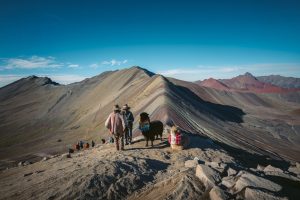
Llamas on the Ausangate trail strut across the puna grasslands with that unmistakable, chin-up confidence that says, “Yes, I’m fabulous. Yes, you may take a photo.”
These long-necked legends often roam in small groups, and half the time they’ll turn to look at you with the exact expression of a Victorian noble judging your footwear choice. They’re surprisingly graceful, occasionally nosy, and always a delight to bump into during a slow uphill slog.
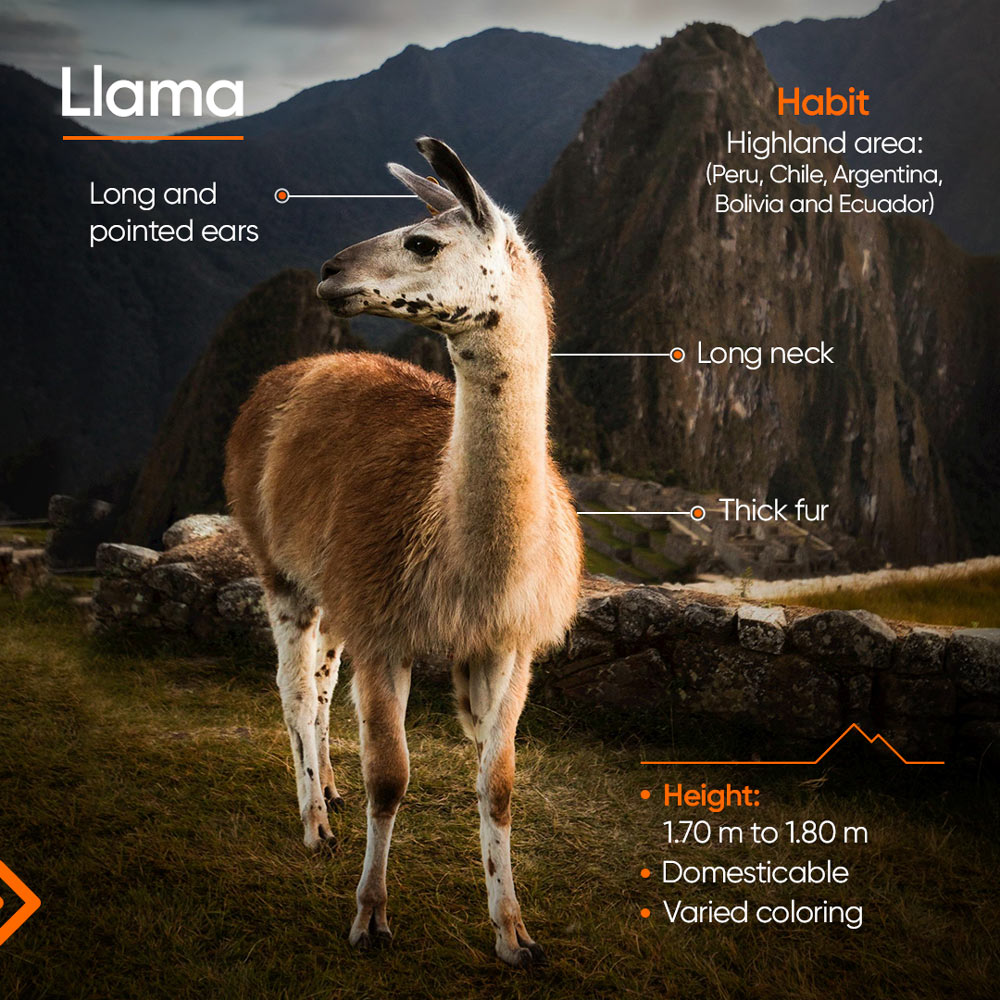
5 Fun Facts About Llamas
- These guys communicate through a range of fun sounds, like humming, clicking, and gargling.
- They’re smart and have the attitude to prove it. If overwhelmed, they simply refuse to move.
- Llamas can reach an impressive 6 feet tall and can weigh up to 500 pounds.
- They’re quicker than you might think, reaching speeds of up to 35 mph.
- Llamas are herbivores and graze in the grasslands. Oh yeah, and they have three stomachs like cows.
Alpacas: The Cozy Clouds On Legs
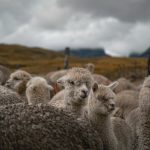
If llamas are the runway models, alpacas are the adorable, fluffy interns who just want to make sure everyone’s having a great day. They’re smaller, rounder, and have the kind of faces that could melt ice caps, or at least take the edge off that early-morning Andean chill.
Seeing a herd of alpacas grazing beneath Ausangate’s glacier is about as wholesome as things come. You almost expect soft background music to start playing every time an alpaca looks your way.
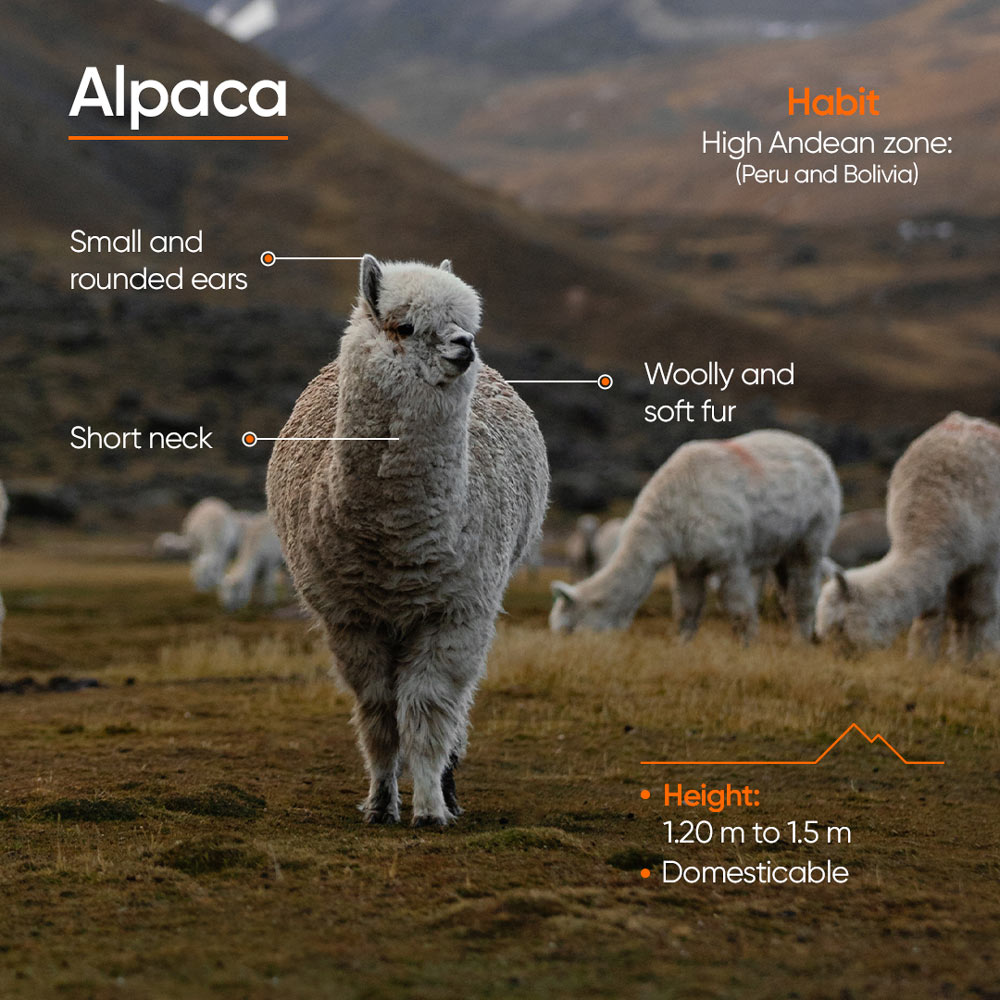
5 Fun Facts About Alpacas
- They’re not just cute. They’re clean, too! They form communal dung piles, which also helps control parasites in their herds.
- Alpacas like to spit to gain dominance over food. They’ll also spit at you if you get too close and they feel intimidated.
- They’re docile and intelligent, making them easy to train.
- You can tell how an alpaca is feeling by its body language, specifically its neck posture, head tilting, and ear and tail positions.
- They’re so social that they can get lonely and even die if left alone for too long.
Vicuñas: The Wild, Regal, Blink-And-You’ll-Miss-Them Beauties
Spotting a vicuña on the Ausangate Trek feels like stumbling onto a rare wildlife documentary moment. These are the wild cousins of llamas and alpacas. Sleek, golden-beige, and as delicate as they are fast, they’re far harder to spot on your trek.
Vicuñas don’t hang around for long. They’re the “thanks, but I have trust issues” type in the camelid family, darting across the open plains with the kind of speed that makes you question your own oxygen levels.
But when you do catch a glimpse? Totally magical.
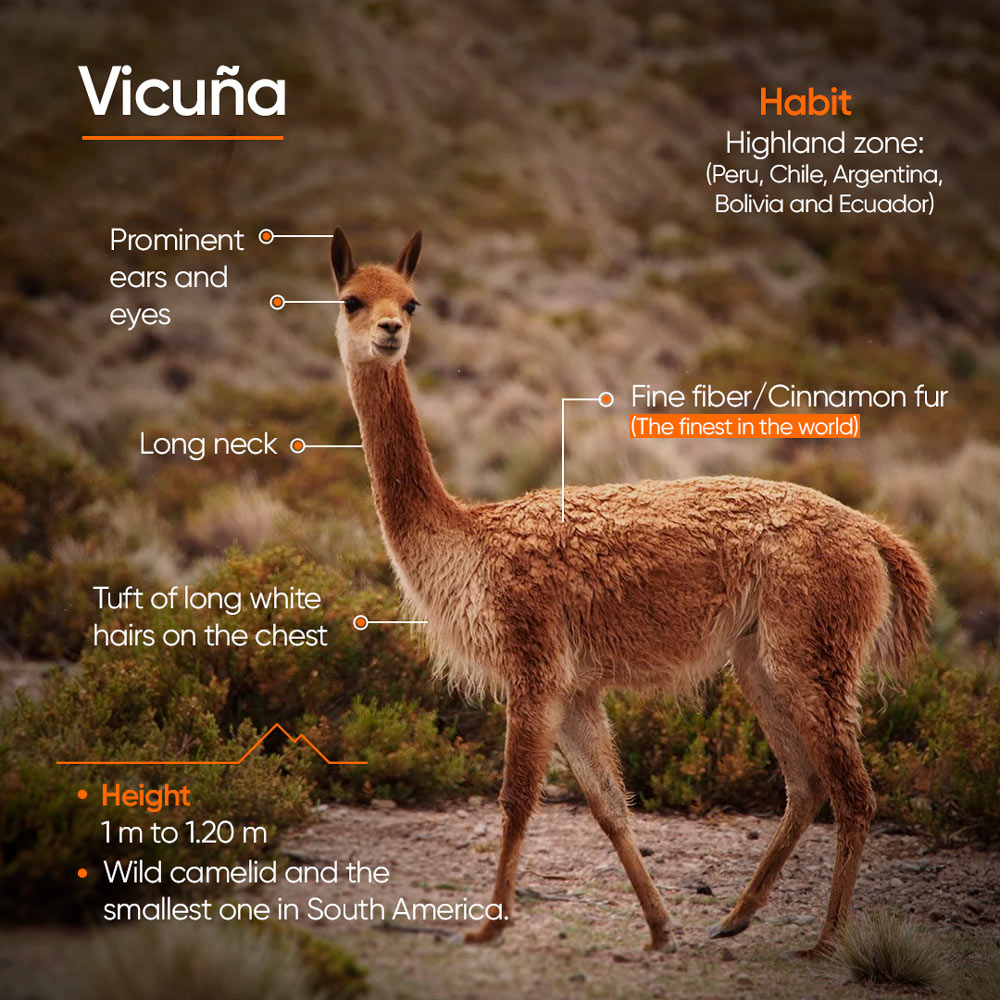
5 Fun Facts About Vicuñas
- Their fleece is insanely soft and valuable as a result. They’re only shorn every few years.
- The vicuña is Peru’s national animal and appears on its coat of arms. See if you can spot it on the flag.
- Their front teeth are always growing, a bit like rodents, which is perfect for gnawing through all that grass.
- Newborns stand almost immediately but then spend months by their mother’s side, drinking her milk.
- They’ve got a big heart inside. In fact, it’s 50% larger than most mammals of their size to help them thrive at high altitude.
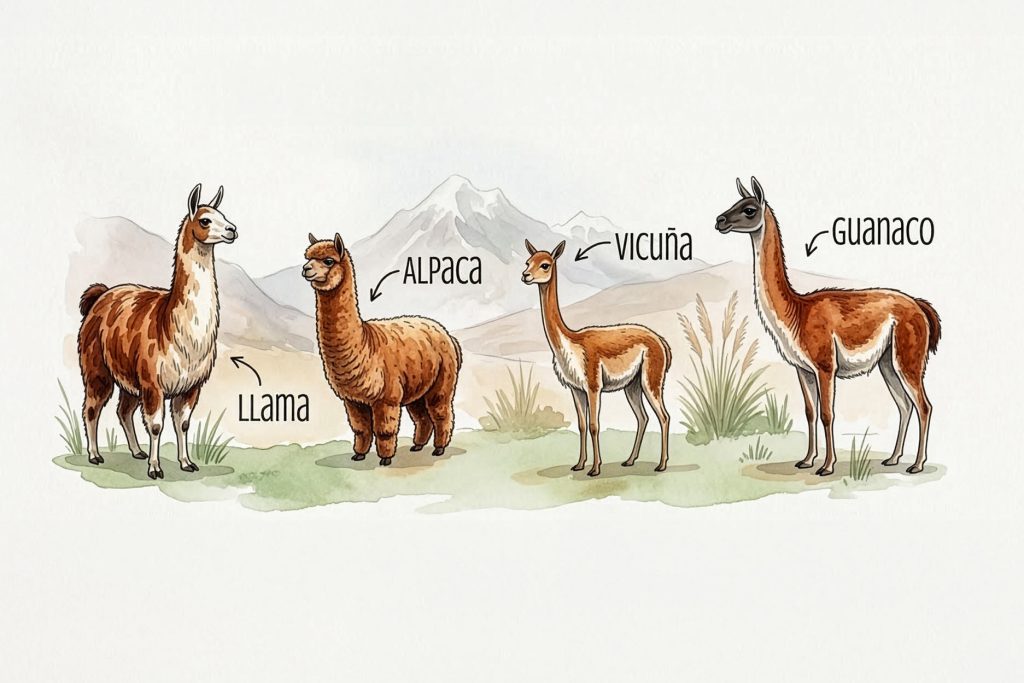
Where You’ll See Them Most
Along the Ausangate route, expect camelids basically everywhere. Near turquoise lakes, on ridgelines, and chilling outside remote shepherd huts like they own the place (which they absolutely do).
Early mornings and late afternoons are prime time, when the light goes golden, and everything looks like it’s come straight out of a dream.
Why They Thrive Here
Ausangate is all about extremes. Altitude, temperature, terrain. Yet these animals are built for it. Their thick coats, agile hooves, and high-altitude lungs let them glide through the landscape like they’re in a nature documentary, while you’re busy pretending the incline isn’t that tough.
The Secret Magic of Ausangate’s Wildlife
What makes these encounters special isn’t just the animals themselves. It’s the feeling of being welcomed into their world.
Out there, surrounded by snow giants and silence so pure you can hear your heartbeat, seeing a llama flick its ears or a vicuña dash across a ridge makes you feel like you’ve stumbled upon something ancient, unfiltered, and real.
Go for the Mountains, Stay for the Camelids
Ausangate is breathtaking in every possible way, and the wildlife is the cherry on top of the Andean sundae. If you love trekking with a side of wonder, sass, and fluffy charm, this route delivers every single time.
Pack layers, pack snacks, and get ready for the cutest audience you’ll ever have on a high-altitude trail.

Leave A Reply