
Once upon a time (and honestly, not actually that long ago), Rainbow Mountain, also known as Vinicunca, was just another high-altitude Andean peak quietly doing its thing. No crowds. No queues. No carefully posed llama photos. It sat there, covered in snow and largely unnoticed by the outside world, known mainly to local communities who had lived alongside it for generations.
Today? It’s one of Peru’s most iconic natural attractions, a must-see for travelers heading to Cusco, and a place that seems to exist permanently on travel wish lists everywhere. So how did this colorful mountain go from hidden gem to global superstar?
This is the story of geology, climate, culture, social media, and a whole lot of early morning starts. Ready? Then we’ll begin.
Table of Contents
The Science Behind The Stripes (Because Yes, It’s Actually Real)
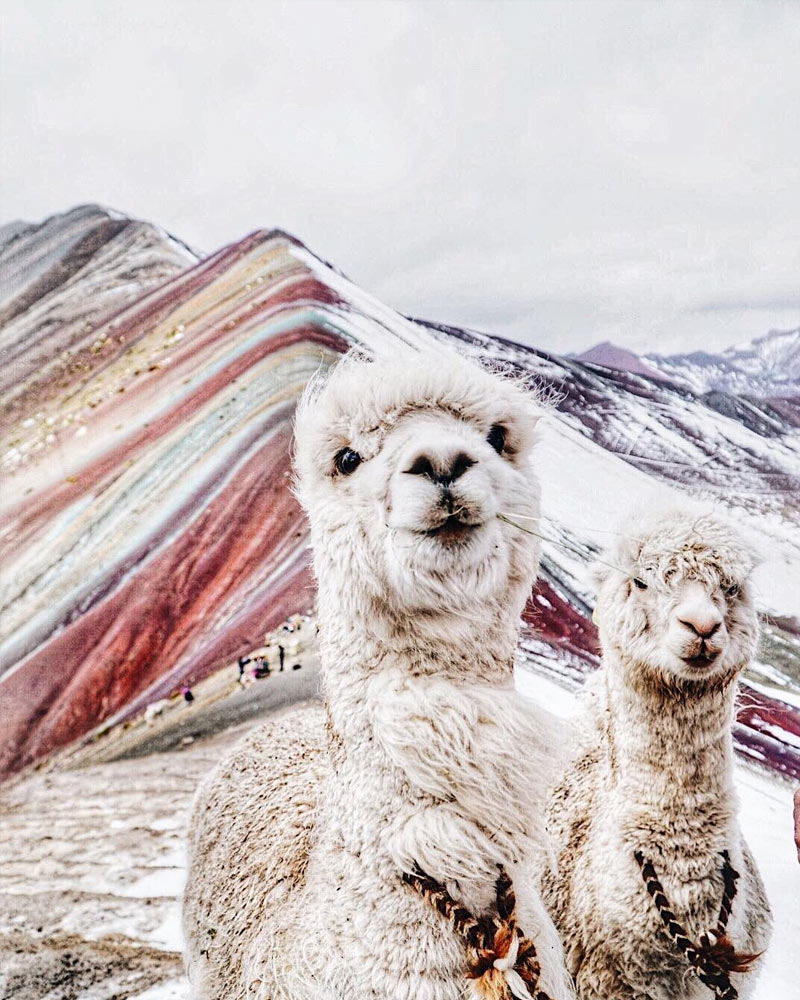
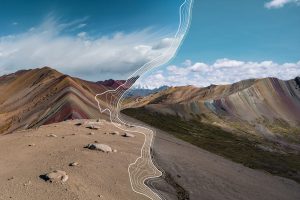
Let’s clear something up straight away. Rainbow Mountain isn’t a Photoshop job or a trick of the light. Those bands of red, gold, green, and purple are 100% natural, and they’ve been forming over millions of years.
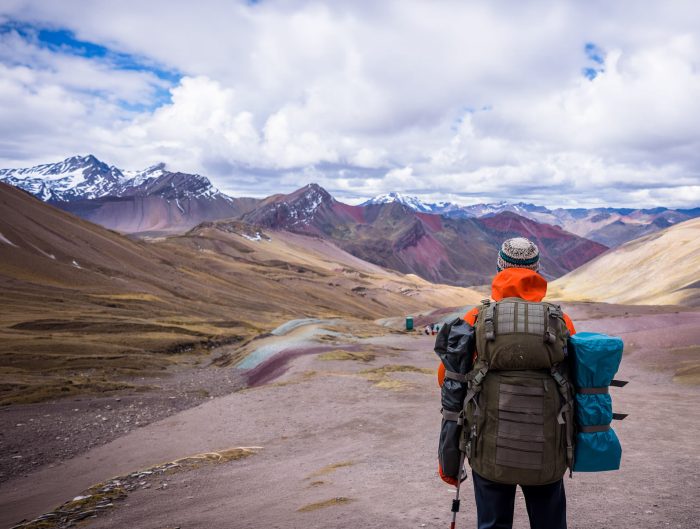
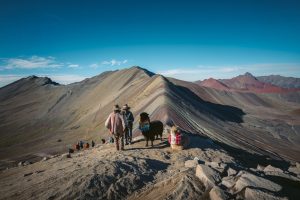
The mountain’s colors come from different mineral deposits that have layered over time. Iron oxide gives those deep reds and pinks. Sulphur creates yellows. Copper adds greens and blues. When tectonic activity pushed these layers upward and erosion happened, the result was a geological masterpiece just waiting to be revealed to the world.
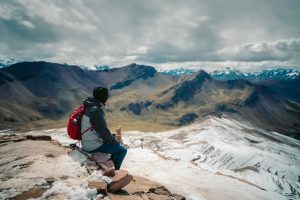
For most of history, however, it wasn’t known about at all. The peak was covered in snow and ice, hiding the colors beneath. It wasn’t until relatively recently, thanks to rising temperatures and retreating glaciers, that the stripes became visible. It was nature’s slow but big reveal, with a slightly uncomfortable reminder about climate change thrown into the mix.
A Mountain Known Locally, Not Globally
Way before tour companies, entrance tickets, and signs showing you where to go appeared, Rainbow Mountain was part of local life. Indigenous Quechua communities had known about Vinicunca for centuries and lived alongside it with their grazing alpacas, weaving the surrounding landscape into their cultural and spiritual world.
In Andean cosmology, mountains (or Apus) are considered sacred beings, protectors of the land and people that surround them. Rainbow Mountain wasn’t a novelty attraction. Oh no. It was simply another powerful presence in the high Andes. No one was trying to market it, brand it, or turn it into a bucket-list item.
In other words, it existed perfectly well without outside attention and enjoyed a rather peaceful life.
The Snow Melts, The World Notices
The turning point came in the early 2010s. As the snow receded further, the mountain’s colors became more visible by the day. Local guides and hikers started to notice, sharing stories (and eventually photos) of a strangely and beautifully striped peak high above the valleys.
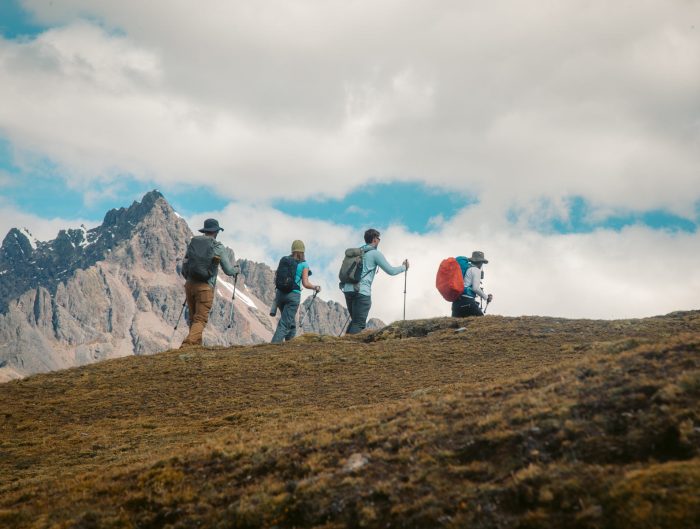
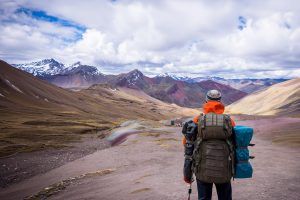
At first, only the most adventurous travelers made the effort to visit. Getting there meant rough roads, high-altitude trekking, and a willingness to be uncomfortable. This wasn’t exactly what you’d call an easy day out.
But once the photos started circulating online, people’s curiosity soon took over. They began asking questions. More guides added the route to their tours. Word spread fast. And faster. And faster.
Enter Travel Blogs And Social Media
If Rainbow Mountain had a big breakthrough, this was it.
Travel blogs began featuring Vinicunca as one of Peru’s most unusual and must-see sights. Instagram did what Instagram does best, turning those vivid colors into an instant visual delight, and without the need for a filter. Suddenly, the mountain was everywhere you looked. You’d see it on feeds, articles, listicles, and headlines declaring it one of the most beautiful places on Earth.
And honestly? They weren’t wrong.
The combination of unreal colors, dramatic Andean surroundings, and a sense of “how is this even real?” made Rainbow Mountain irresistible to visitors. It wasn’t just a destination. It was proof that our planet could still surprise us.
From Secret Trek To Must-Do Day Trip
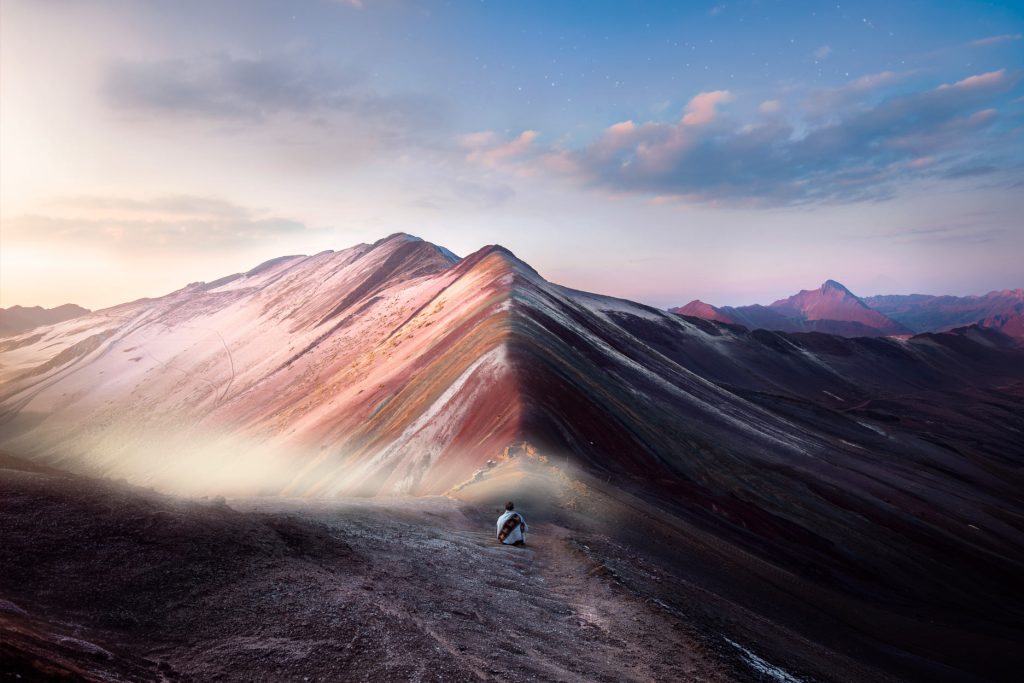
Interest grew, so naturally, improvements to the zone followed. Roads got better. Signs started to appear. Even official entrance fees were introduced. What was once a rugged, barely marked route transformed into one of the most accessible high-altitude hikes in the Cusco region.
Today, most travelers who visit Rainbow Mountain come as a day trip from Cusco, usually involving a very early start. And when we say very early, we mean very early. Think 3 am alarms, long and winding drives through the Andes, and a final hike that feels quite short until the altitude kicks in.
Is it challenging? Sure. But it’s also achievable for many people who might not have considered a multi-day trek or simply don’t have time to do anything more. The fact that it’s so easy to get to (if you’re prepared for the hike) played a huge role in its growth in popularity.
The Altitude Reality Check
At 5,100 metres above sea level, Rainbow Mountain is no joke. Trust us. Even seasoned hikers feel it. That shortness of breath, those heavy legs, and the consistent urge to walk ten steps and then dramatically pause are included in the experience.
But these struggles are all part of the fun, right? Everyone remembers that moment. The final push, the burning lungs, the bargaining with your calves to keep going.
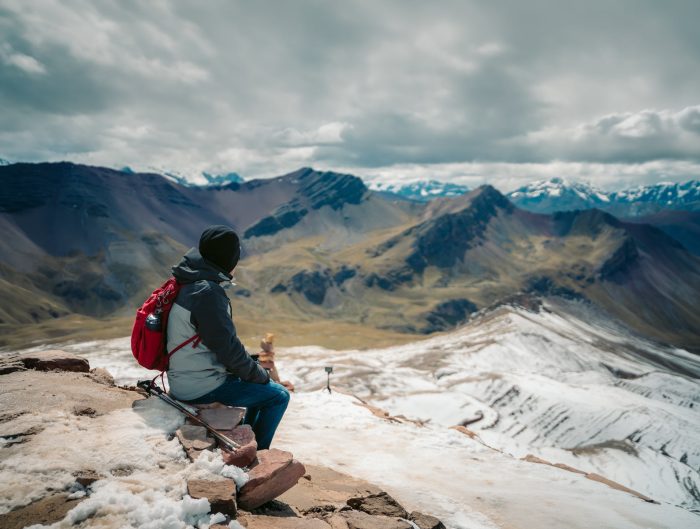
Then, suddenly, you make it to the final ridge. You see the colors appear and somehow it all feels worth it.
Tourism Arrives With Opportunity And Challenges
Tour operators and travel agencies noticed the popularity and soon started to offer the day trip or made it part of longer routes, like the Ausangate Trek. Local communities began offering guiding services, horse rentals, food stalls, and accommodation. For many families, this newfound tourism provided a vital source of income and plentiful opportunities to enter the industry that they might not have had access to before.
The rapid growth also came with challenges, though. The increased foot traffic meant the fragile ecosystems endured a lot more pressure. Litter started to become an issue and the number of visitors caused people to start questioning about sustainability and preservation.
So, what did the local authorities do to make sure the route was kept in the best condition possible but still allow visitors to experience it? They added regulations, designated paths, and entrance controls. But despite this, the balance between access and conservation is still an ongoing conversation.
Horses, Helpers, And High-Andes Ingenuity
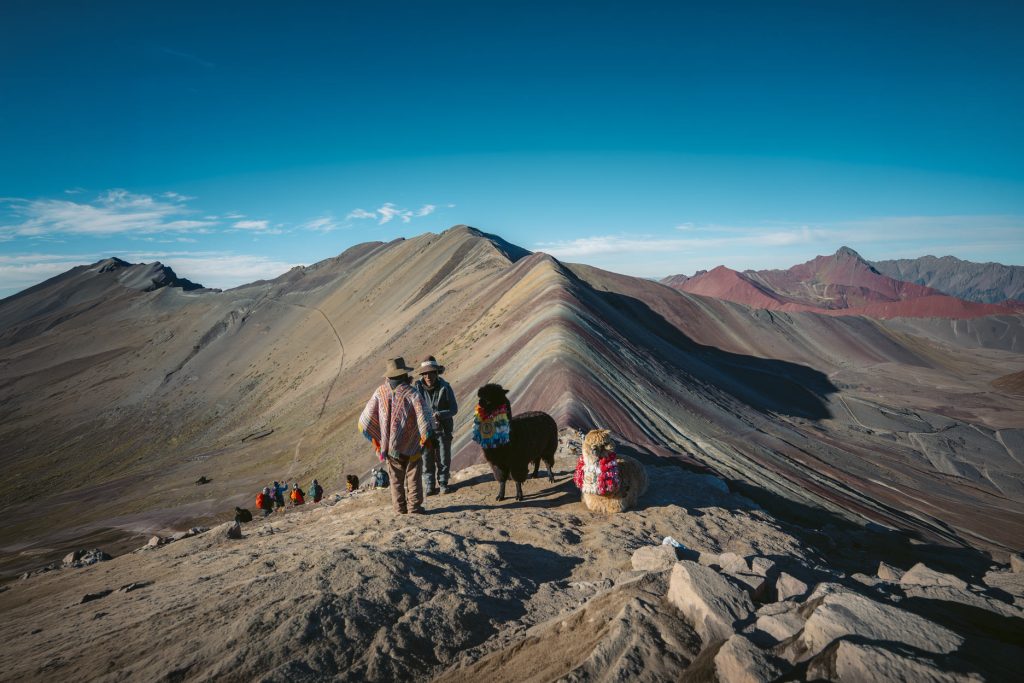
Something you’re very likely to spot on the trail is the local horse handlers offering their help to tired hikers. Whether you see this as a practical solution to those sore muscles or a cultural insight, it’s an excellent example of how local communities adapted quickly to visitor needs.
If you’re seriously struggling with the altitude, hiring a horse can mean the difference between turning back and reaching the end to witness that incredible view, which we’re sure you wouldn’t want to miss out on!
Is Rainbow Mountain Overhyped?
It’s a fair question and one that comes up often. People have asked the same about most other popular landmarks around the globe.
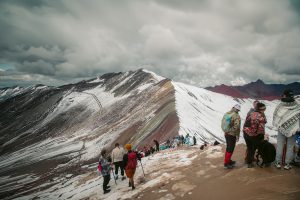
The answer? Yes, it’s busy. Yes, it requires effort. And yes, the weather can be unpredictable enough to hide the colors entirely on a bad day. But when conditions align (which they do most of the time), Rainbow Mountain delivers something genuinely rare. A landscape that looks just as surreal in person as it does online.
In other words, the hype exists because the place lives up to it.
A Gateway To The Andes And Beyond
For many travelers, Rainbow Mountain is more than just a fun (and tiring) day out. It becomes a gateway experience, like an introduction to what lies in the Andes beyond Machu Picchu. It sparks curiosity about high-altitude ecosystems, indigenous culture, and the vast scale of Peru’s landscapes.
Some visitors leave wanting to explore further. Are you one of those? Well, you’ll be pleased to know there are plenty of options available, like multi-day treks, remote villages, or lesser-known routes that offer similar magic without the crowds.
Climate Change And Responsible Tourism
There’s no way around it. It’s clear that Rainbow Mountain’s visibility is linked to climate change. The same warming temperatures that revealed its amazing colors are also threatening glaciers and water sources across the Andes.
Visiting Vinicunca comes with a responsibility. We ask visitors to tread lightly on the designated paths, respect regulations, and support sustainable tourism practices that help protect the region for generations to come.
It’s a place of beauty, but also a reminder that our planet is fragile and we need to look after it.
Why Rainbow Mountain Matters
Rainbow Mountain isn’t just famous because it’s colorful. It represents natural history, modern travel, and global connectivity all in one. This place was once known only locally but has now become a symbol of Peru’s incredible diversity and a testament to how quickly the world can change.
It challenges you physically, rewards you visually, and leaves you with a story you’ll tell long after the altitude headache fades.
Your Next Adventure Awaits
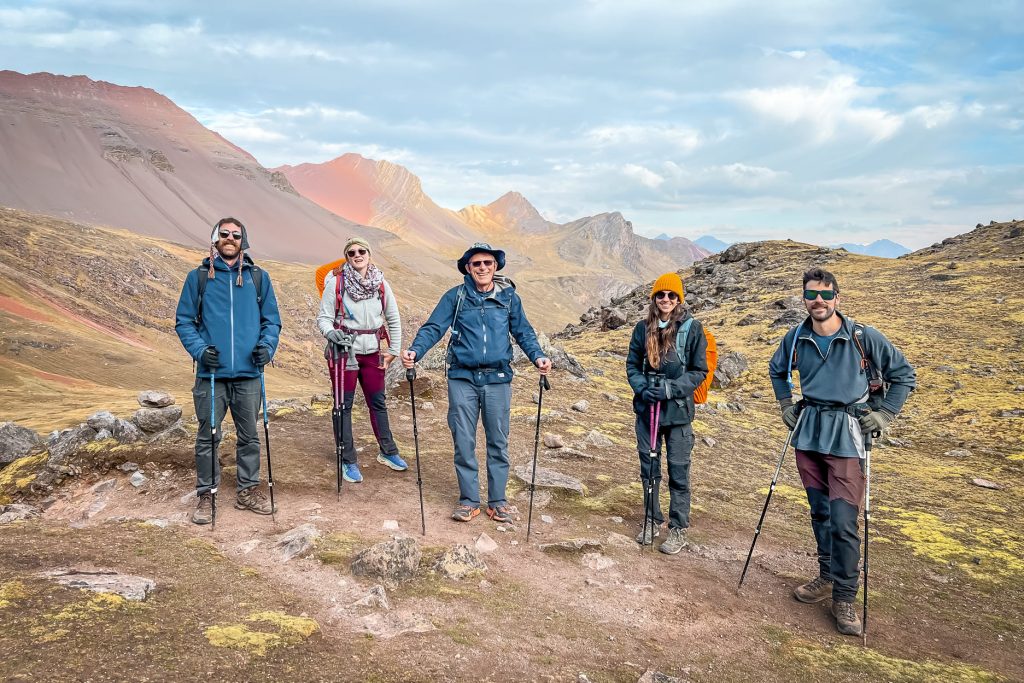
From snow-covered peacefulness to international icon, Rainbow Mountain’s rise to fame has been fast, dramatic, and truly fascinating. It’s a reminder that the Andes (and the entire globe, in fact) still hold secrets. When nature finally decides it’s time to reveal them, the world pays attention.
Early alarm clocks, steep trails, and breathless moments included.
And honestly? We wouldn’t have it any other way.
If this has wet your appetite for an Andean adventure that’ll change the way you see the world, we highly suggest you hop on the next flight to Peru and see this incredible location. It’s worth it. We promise.

You might also like
Leave A Reply