
If you’re looking for a trail that combines challenge, culture, and breathtaking scenery, the Ausangate Trek is a top choice. The path is hidden deep within the mountains and is a much quieter route than those spread throughout the Sacred Valley.
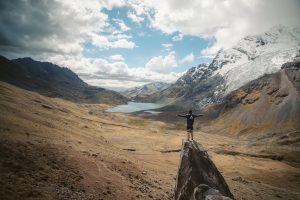
Expect to encounter natural beauty at its finest and the spiritual atmosphere of the Andes as you wander amongst glaciers, shimmering lakes, rainbow-colored hills and local communities. The best part? You’re always in the towering presence of Apu Ausangate.
Ready to discover what makes this trek so special? Read on to find out what to expect, sights you’ll see along the way, and how to prepare for this epic adventure.
Table of Contents
Where Is The Ausangate Trek?
The trek is around 100 kilometers south-east of the city of Cusco, where you’ll find the Ausangate Mountain that reaches an impressive 6,385 meters above sea level at its peak. Remote and far from the city, the region is famed for its dramatic landscape that’s still very much untouched, providing an authentic and natural experience away from the crowds.
Your journey towards the trek will take you on a scenic drive from Cusco to Ocongate, where you’ll meet the team and start your hike.
What To Expect On The Ausangate Trek
When deciding which trek is best for you, you need to know what to expect in terms of trail types, weather conditions and accommodation. Here’s a quick overview:
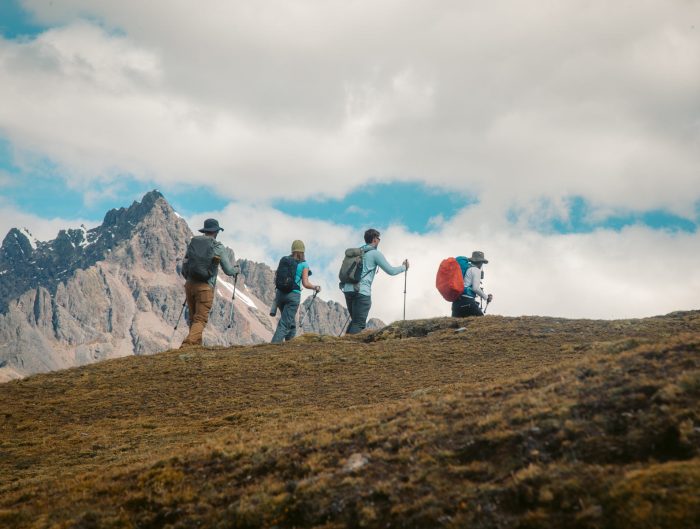
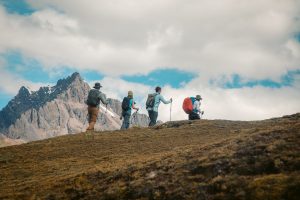
Trail Conditions: The paths vary between rocky, hard ground, open grasslands, glacial valleys and steep climbs. In very cold temperatures, ice is possible underfoot.
Weather Conditions: The weather at such a high altitude can be hard to predict, but throughout the year you can expect cold nights (often below freezing), strong sun in the day, and occasional snow or hail. Rainy weather is much more likely during the wet season between December and March. When it comes to clothing, layering is essential for ultimate comfort no matter the climate.
Altitude: The altitude is often one of the biggest challenges to visitors in the region, so we recommend spending 2-3 days in Cusco before you head out on the trek to acclimatise and reduce the chances of altitude sickness.
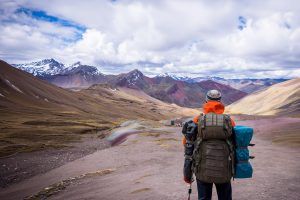
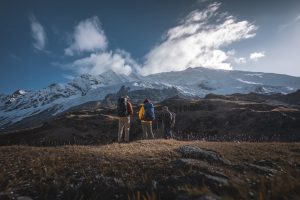
Accommodation: Along the trail you can expect to camp peacefully amongst nature. Organised tours include all the equipment you need, nutritious meals, and staff to help with anything you might need.
Ausangate Route Overview
The Classic Ausangate Trek is 5 days long and will take you along the following route:
Day 1: Cusco – Ocongate – Upis – Huayna Ausangate Lake
Enjoy a gentle introduction to the trail and the first stunning views of the Vilcanota mountain range.
Day 2: Upis – Arapa Pass – Yanacocha – Hatun Pucacocha
Hike through impressive scenery and learn about the flora and fauna of the region.
Day 3: Hatun Pucacocha – Ausangatecocha – Palomani Pass – Huchuy Phinaya – Sorapata
Make your way up to the Ausangate Pass before learning about local customs and traditions.
Day 4: Sorapata – Jampa Pass – Pacchanta
Walk past beautiful lakes, perform a small ceremony for Mother Earth, and visit medicinal hot springs.
Day 5: Pacchanta – Tinke – Cusco
Enjoy a final relax in the hot springs before saying goodbye to the mountain range and heading back to the city of Cusco.
- Distance: 55 km / 34.5 miles
- Max Altitude: 5,200 m / 17,060 ft
- Difficulty: Moderate to Challenging
Ausangate Trek Highlights
Expect to witness landscapes and enjoy experiences that you’ll remember for a lifetime. Here are our highlights of the Ausangate Trek and things to look forward to on your adventure.
Glacial Lakes
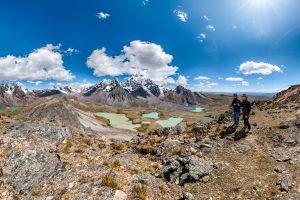
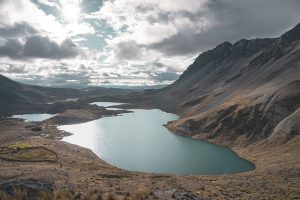
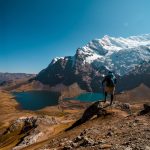
Stunning turquoise lagoons sit amongst towering white glaciers. You’ll pass by various lakes, including Pucacocha and Sibinacocha.
Remote Andean Villages
The Ausangate Route meanders through small Andean communities where you’ll see locals going about their daily lives, giving you a glimpse of the lifestyle in the region. You’ll get the chance to learn about their customs and traditions as well as the wildlife in the zone.
Rainbow Mountain
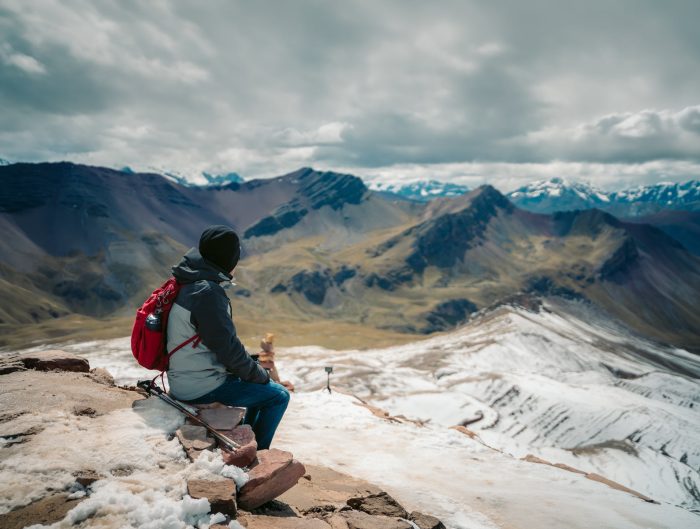
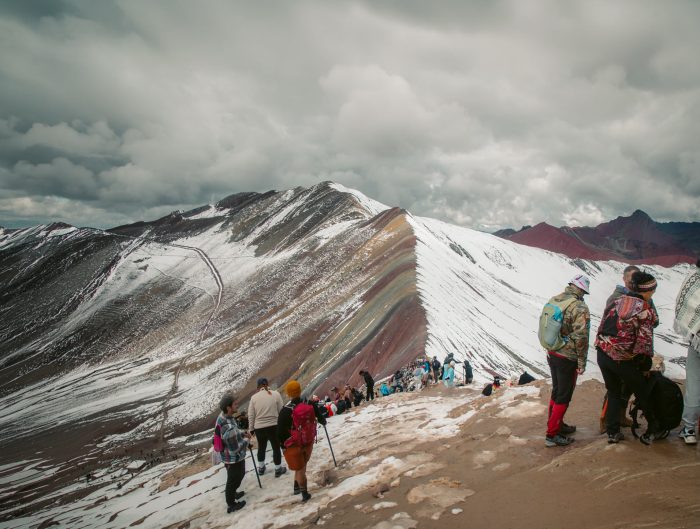
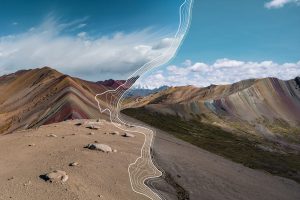
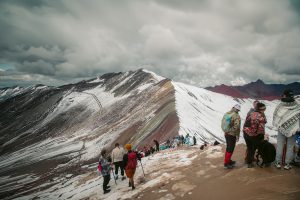
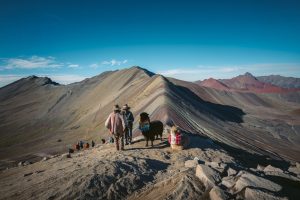
One of the most famous sights in the area is Vinicunca, also known as Rainbow Mountain. As its nickname suggests, the mountain boasts an array of colors as a result of the different minerals that make up the earth.
The Red Valley
Close to Rainbow Mountain is the Red Valley, which might make you feel like you’re on Mars! Iron-rich earth creates the deep red scarlet color that makes this a dazzling sight to behold.
Pacchanta Hot Springs
Towards the end of the trek, you’ll have an afternoon to really rest and heal those tired muscles in the medicinal hot springs of Pacchanta. The juxtaposition of relaxing in the warm water against the grandiose backdrop of Ausangate is hard to match.
Wildlife And Flora On The Ausangate Trail
The Ausangate region is a perfect example of the diversity in Andean flora and fauna. Along the way, look out for camelids like vicuñas, llamas and alpacas, as well as an impressive array of birds, like kestrels and even the Andean condor.
Due to harsh climate conditions, vegetation is sparse but unique. You’ll come across hard grasslands, cushiony plants and some small flowers, plus spot some quinoa fields as you get near to local communities.
Why Is Ausangate Considered A Sacred Mountain?
When travelling in the region, you’re likely to hear certain mountains referred to as Apus, and Ausangate is one of the most important. According to Andean cosmology, the Apus are sacred mountain spirits believed to guard the surrounding area and communities.
The local Quechua communities honor Ausangate and see it as a powerful protector and provider. It plays a significant role in traditional ceremonies and agricultural cycles. Each year, the Qoyllur Rit’i pilgrimage is held near the mountain and attracts thousands from local communities and even the city to celebrate with song and dance. When you undertake the challenge of trekking in the region of Apu Ausangate, you’ll sense the spirituality and history infused within the landscape.
The Best Time Of Year To Do The Ausangate Trek
The best time to trek the Ausangate Route is when the skies are clear, the temperature is cool and the trail conditions are stable, making the dry season from May to September ideal. Treks are available during the wet season (December to March) but you can expect heavier rainfall, muddy and slippery paths, and limited visibility.
Preparing For Your Ausangate Trekking Adventure
Are you ready for the trek of a lifetime? Before you set off on your adventure, you’ll need to make sure you’ve made all the right preparations to keep you comfortable and feeling your best along the way.
Packing Essentials
- Passport
- Money (soles are recommended)
- Water bottle
- Personal medication
- Sunblock (factor 70 or more as the sun is strong at high altitude)
- Toiletries/personal care items
- Waterproof hiking boots/shoes
- Sneakers
- Sandals
- Warm socks
- Trekking pants
- Thermal pants
- Warm waterproof jacket
- Raincoat or poncho
- Sun hat
- Woolly hat
- Gloves
Physical Preparation
We recommend you go for some preparation hikes and get plenty of exercise before you travel, focusing on cardiovascular training and leg and core strengthening activities. The Ausangate Trek is long and at high altitude, which can make what might seem easy at lower altitude a lot more difficult.
Altitude Preparation
Remember you’ll be hiking up to 5,200 m / 17,060 ft, which can take a toll on your body if you haven’t done the right prep. Make sure you get to Cusco a few days before your trek to acclimatize. Avoid alcohol and consider medication if you feel unwell. Along the way, stay hydrated and keep snacks with you to keep energy levels up. Walking at a slow and steady pace will preserve your energy levels and avoid burnout.
Why Go On The Ausangate Trek With Expert Local Guides?
Choosing a trusted local tour operator will transform your trip from challenging to an incredible adventure, allowing you to fully focus on the trekking experience. Some of the many benefits include:
- Professional guides that are knowledgable about the route, region, and culture.
- Nutritious meals throughout the trek and high-quality equipment.
- Emergency support and altitude management to keep you safe.
- Commitment to responsible tourism to keep the landscapes clean and support local communities.
Protecting The Sacred Landscape With Responsible Tourism
Due to the cultural significance and ecological fragility of Ausangate and the surrounding areas, it’s important for visitors to practice responsible tourism. Travellers should:
- Avoid disturbing the wildlife in the zone
- Stay on the designated paths
- Follow their guide and listen to their advice
- Leave no waste behind
- Purchase local goods and textiles to support the communities
- Reduce plastic usage by bringing their own bottles
Supporting ethical tour operatora benefis the local families and helps preserve their traditions and the extraordinary landscapes.
Begin The Adventure Of A Lifetime
The Ausangate Trek is one of the most extraordinary adventures through the Peruvian Andes imaginable. It’s the perfect mix of challenge, nature and culture, away from the busy city and crowds of other trails.
So, if you’re looking for a less-travelled route and an authentic encounter with the mountains, the Ausangate Trek is an amazing choice. Remember, it’s not just a trek but a sacred journey through the heart of the Andes in the company of Apu Ausangate.

Leave A Reply