
The Ausangate region in Peru has a way of surprising you before you even realise it’s happening. You don’t turn a corner and get hit with one big “wow” moment. Oh no. It’s more like a slow build of color, altitude, silence, and space. And sitting right at the heart of all of it are the glacial lakes. They’re the kind of places you hear about from trekkers who can’t quite put them into words, not because they’re overly dramatic, but because they’re unlike anywhere else.
So are you ready to be dazzled by the natural beauty of the glacial lakes of Ausangate? Let’s find out more.
Table of Contents
A Remote Corner Of The Andes And Why That Matters
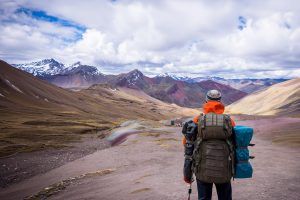
Ausangate isn’t the sort of spot you stumble upon while out on a hike. It’s remote, sitting roughly three to four hours from Cusco, and the networks of trails wrapping around the mountain are still relatively untouched compared to well-known routes like the Salkantay Trek or the Inca Trail.
Because of that, the lakes feel almost secret. When you arrive, the scenery doesn’t hit you all at once; it builds, one valley at a time, until you suddenly realize you’re walking through a world of color that changes with every hour of daylight.
Why The Lakes of Ausangate Look The Way They Do
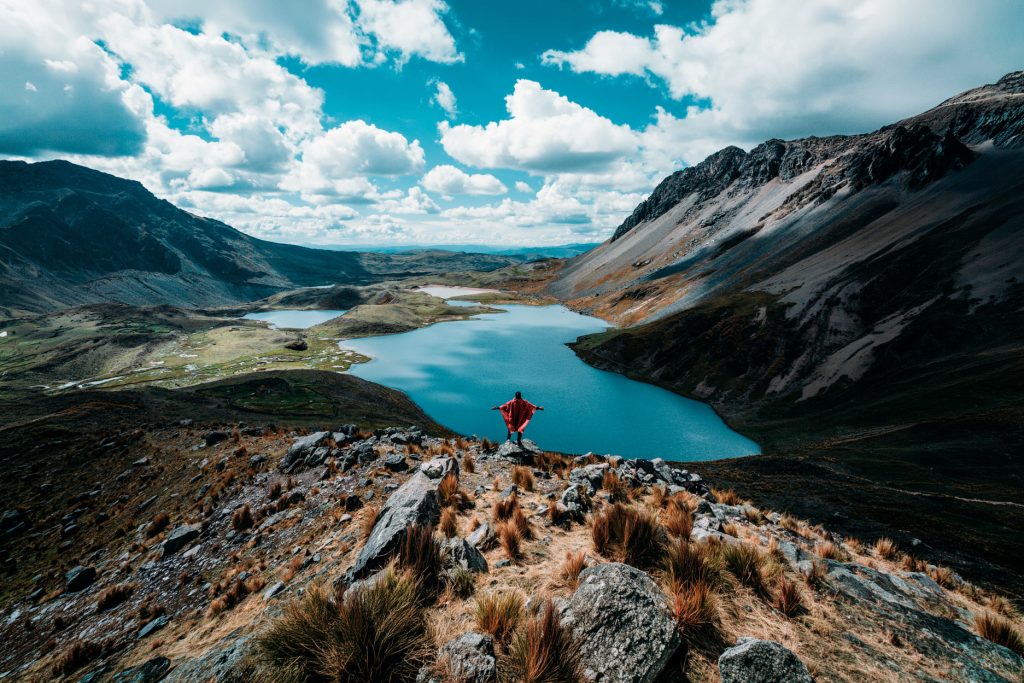
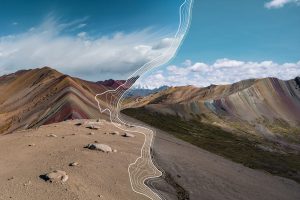
The famous colors of the Ausangate lakes aren’t a coincidence. They come from a mix of glacial sediment, mineral content, altitude, and sunlight. You might call it a natural chemistry set. Here’s a breakdown:
- Turquoise tones often come from “glacial flour”, fine particles ground down by the ice and suspended in the water.
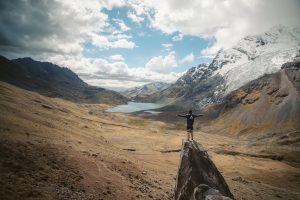
- Deep blues happen when the lake is clearer, reflecting the high-altitude sky.
- Greenish or milky hues usually signal higher mineral concentration from the surrounding rock.
It’s not just that the lakes look different from one another. They can also shift color depending on the season, cloud cover, and how much melted water is flowing into them.
The Main Lakes You’ll Meet Along The Ausangate Routes
There’s no single “Ausangate Lake”. Seriously. There’s a whole range of them scattered across the circuit. Each sits in its own area of the mountains with its own personality. Here are the main ones you’ll come across on the route.
Laguna Pukaqocha
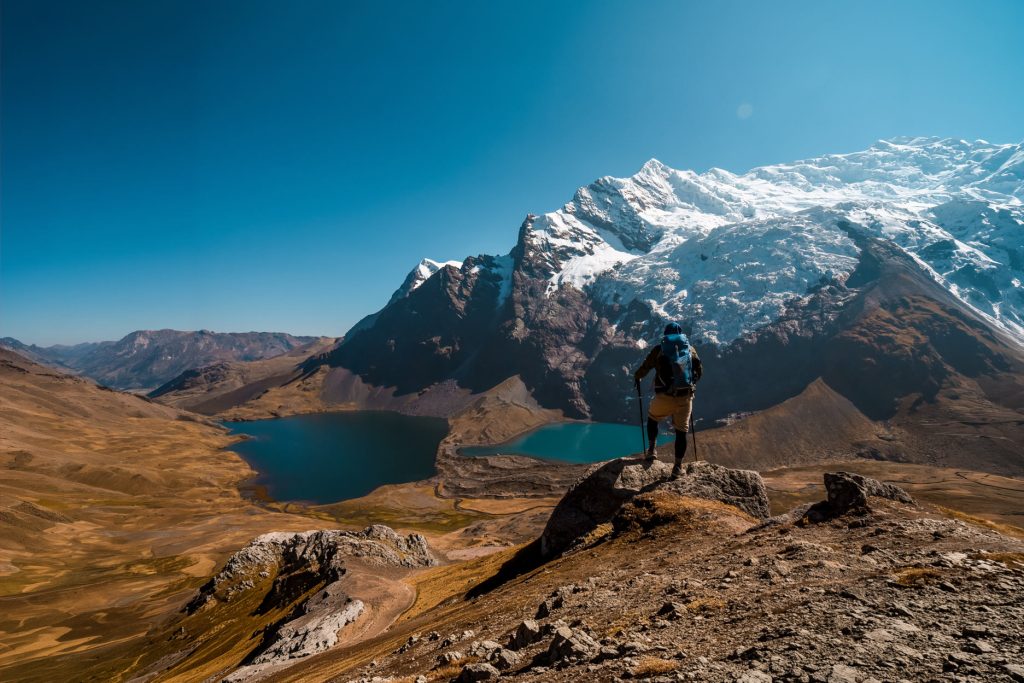
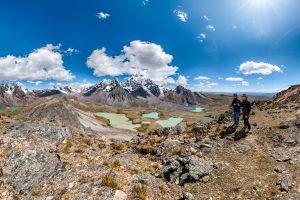
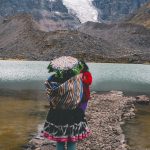
One of the most photographed lakes of the region, Pukaqocha, appears in a trio of smaller lakes that glow with turquoise and sometimes teal tones. Surrounded by ochre earth and the white face of Ausangate, it’s a spot where colors feel particularly bold without being dramatic for the sake of it.
Laguna Jatun Pucacocha
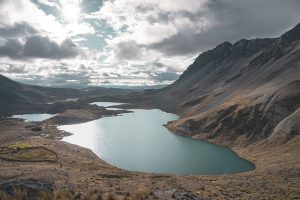
This big’un is larger and often darker than its neighbors. On calm days, it reflects the glaciers above like a mirror. On windy days, it turns almost steel-colored.
Laguna Ausangatecocha
This lake is known for its milky turquoise tone, caused by the high concentration of glacial sediment. It sits in a valley that feels quiet and wild, especially with herds of alpacas scattered across the hillsides, giving you funny looks.
Laguna Otorongo (Male & Female)
These are two smaller lakes with deep, ink-blue tones. Their colors come from clarity rather than sediment, giving them a different depth compared to the brighter, pastel-colored lakes on the route.
Oh, Don’t Forget The Smaller, Hidden Lakes
One of the bonuses of trekking the Ausangate route is stumbling upon lakes that never make the highlight reels. Some are tucked between hillsides, some under glacial faces, and some don’t even look like lakes until you’re right on top of them. They may not have names you’d recognize, but they add a lot to the experience.
The Trekking Experience: More Than Just Pretty Water
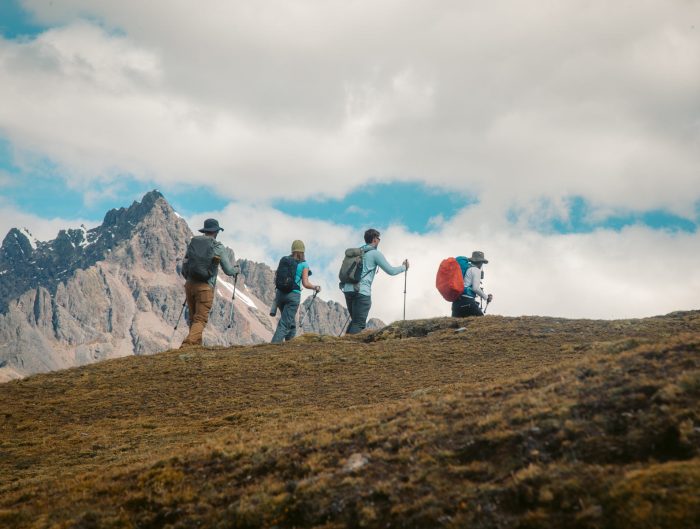
Walking to these lakes isn’t just about ticking off viewpoints. The journey itself is part of the excitement.
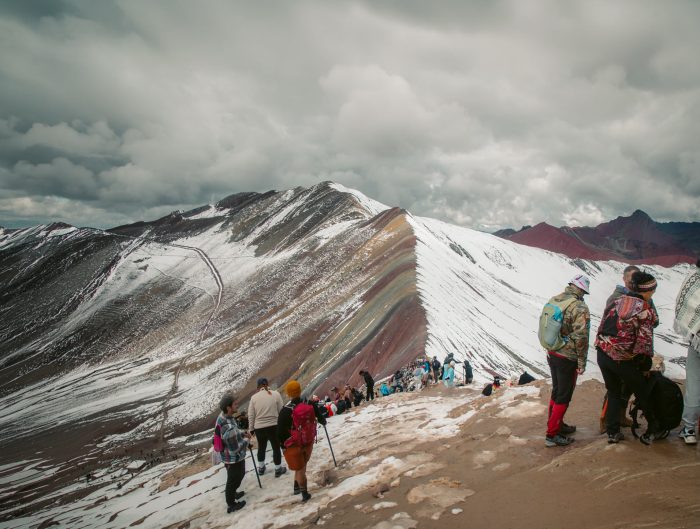
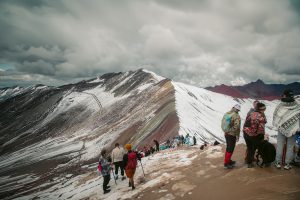
- Altitude is a real factor, with passes often reaching above 5,000 metres (16,404 feet). The sudden awareness of that height gives the lakes an extra layer of significance. They’re precious, icy pockets of water in an otherwise rugged landscape.
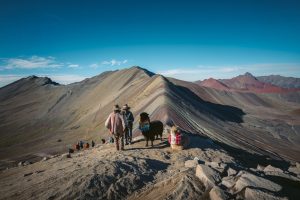
- Wildlife is part of the story, especially alpacas and llamas grazing freely. If you’re lucky, you might spot vicuñas as well, their wilder and shyer cousin.
- Culture is ever-present, as the Ausangate region is home to traditional Andean communities that have lived in this environment for generations and still follow ancient customs and rituals.
When To Visit For The Best Colors
While the lakes are impressive year-round, the dry season (May to September) usually offers the clearest skies and most vivid colors. The wet season brings cloud cover and more dramatic weather, but also stronger glacial melt, which can actually intensify some turquoise tones.
There are also the shoulder months, which sit on either side of the wet and dry seasons. In April and October, you still get reasonable weather to take some stunning photos and can enjoy trails with fewer tourists. However, rain is a bit more likely than during the dry season.
Photography Tips To Snap The Best Lake Pics
You don’t need any fancy gear to get a great shot of the lagoons. These simple tips will go a long way to getting that perfect photo:
- Start snapping early in the day for calmer water and softer colors.
- Aim for angles that add contrast to your shots, like a deep blue lake under a white glacier or a light turquoise lagoon next to a black rock.
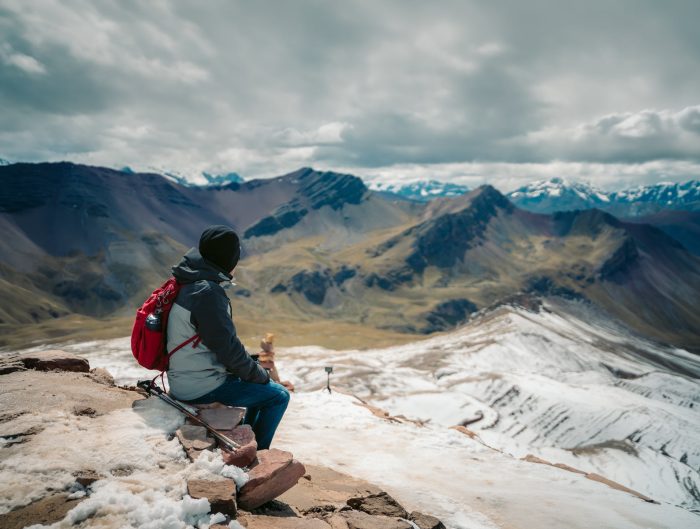
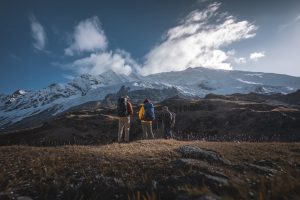
- Include some scale, like a fellow trekker or your tent, to show the sheer size of the landscape.
- Don’t solely rely on your photos. The lakes look far better in person than they ever will on a screen.
Tips For Travellers: How To Make The Most Of The Ausangate Lakes
- Acclimatize in Cusco before attempting any Ausangate trek. Altitude sickness isn’t something you can push through, so it’s best to prepare to avoid falling ill.
- Go with a reliable guide or tour operator, especially if you’re new to high-altitude trekking.
- Start early to catch the best light and calmest reflections.
- Carry proper layers, as temperatures can change very quickly.
- Leave no trace. This region is fragile, and preserving it by practising responsible tourism matters.
Why These Lakes Stay With You
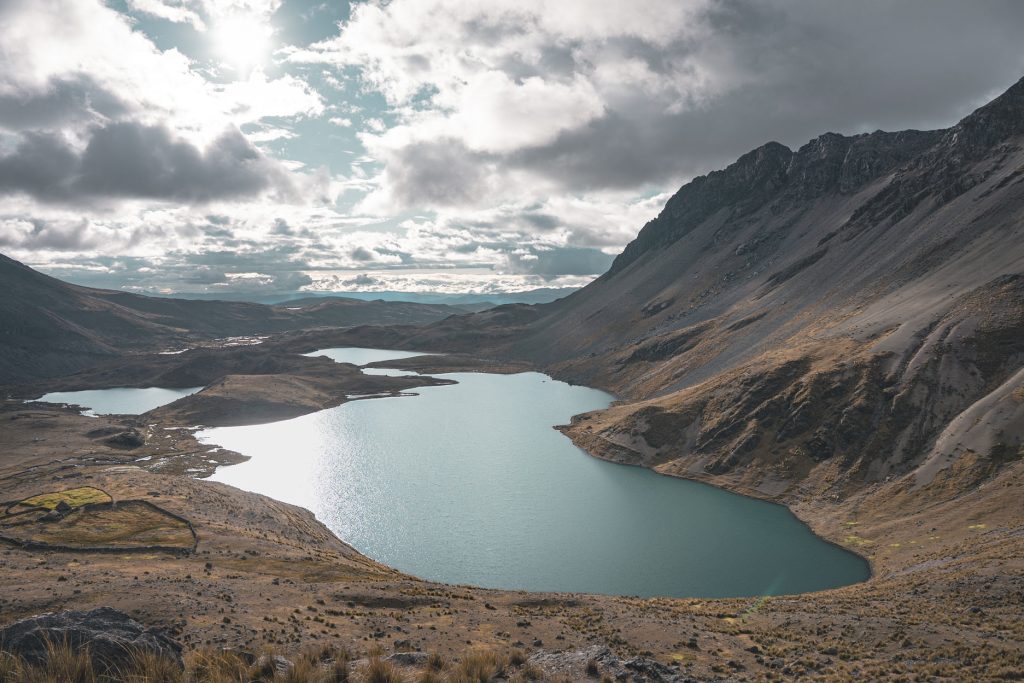
The glacial lakes of Ausangate aren’t just beautiful, they’re grounding. They show how varied the natural world can be without needing dramatic explanations or overly poetic language. It’s simply nature doing what it does best: shaping color, land, and water into something unforgettable.
If you’re someone who loves landscapes that feel raw but not overwhelming, these lakes hit the perfect balance. They’re proof that Peru has more to offer than widely known trails, and they’re a reminder that some of the most beautiful places are the ones you have to work a little harder to reach.

Leave A Reply