
If you’ve ever looked at Ausangate and thought, “Wow, that’s one dramatic mountain,” you’d be absolutely right. Towering at 6,384 m / 20,945 ft, wrapped in glaciers, sacred to the Andean people, and surrounded by landscapes that look like someone let a rainbow explode, Ausangate is the high-altitude superstar trekking dream it is made of.
But before lacing up your walking boots and heading into thin air, there’s one question every hiker (and every sensible tour operator that doesn’t want you freezing into a popsicle) needs to ask:
What’s the best time to hike Ausangate?
The short answer: it depends on your cold tolerance, mud tolerance, and willingness to gamble with mountain moods. Seriously, they’re pretty changeable.
The longer answer? Well, that’s why this guide exists. Let’s walk you through it. Literally and figuratively.
Table of Contents
Understanding Ausangate Weather: A Quick Reality Check
Before diving into the seasons and how they differ, let’s set expectations. Ausangate is always cold. Not “chilly sweater weather.” Not “crisp mountain morning.” We’re talking freeze-your-water-bottle-at-night cold.
Even in dry season. Even in sunshine. Even when alpacas look warm and fluffy.
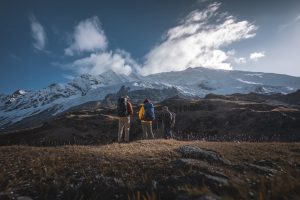
Why? Because the entire trek sits at altitudes between 4,100 m and 5,200 m (13,451–17,060 ft). At that height, warmth is as rare as a trekker who doesn’t gasp for air on day one.
Still, not all seasons are created equal, and some months are significantly better (and safer) for trekking than others. Let’s break them down.
Dry Season (May – September): The Gold Standard For Ausangate Treks
If Ausangate had a red carpet moment, this would be it.
Dry season is the most popular, most stable, and arguably most beautiful window for trekking. Think bright blue skies, clear views, and landscapes so photogenic your camera might file a complaint for overuse. But don’t let us stop you from snapping away.
Why Dry Season Is The Best
1. Minimal Rain = Maximum Safety
Slippery mountain passes? No thanks. Soggy trails? Hard pass. Tents that become swimming pools? Absolutely not.
Dry season keeps all of that to a minimum.
2. Views You Can Depend On
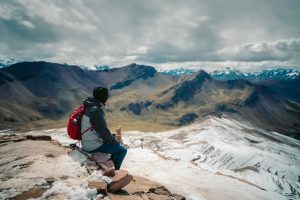
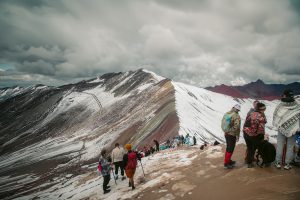
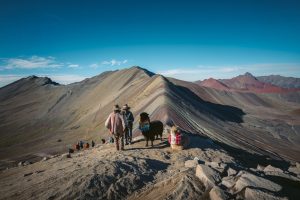
Ausangate’s glaciers sparkle like polished icy diamonds under dry-season skies. The nearby Rainbow Mountain actually looks like a rainbow, no joke (wet season can turn it into a brownish smear).
3. Crisp, Clean Air
The mountains look sharper. The stars are brighter. Your photos will thank you. People at home might even start to think you’ve turned the saturation up on your camera. We know you haven’t. It’s really that amazing.
4. Busy-ish, But Not Crowded
This is not the Salkantay Trek or Inca Trail. Even in peak months, Ausangate feels remote.
Dry Season By Month
May
Fresh out of the rainy season, the mountains are vibrant, the streams full, and llamas and alpacas are out living their best grassy lives. The weather can be variable, but the trails look insane.
June
Super cold nights, but flawless days. It gives winter solstice vibes. This is by far one of the best months to hike.
July
Coldest month of the year, but also the clearest. If you don’t mind waking up and seeing your breath in your tent, July offers exceptional trail conditions.
August
Still dry, still clear, slightly warmer than July, with stable conditions and lively local festivities in Andean communities.
September
A sweet, almost-shoulder month (more on those in a sec). Still relatively dry, slightly warmer, with fewer hikers and a softer sunlight.
Downsides Of Dry Season
- Freezing nights: Sub-zero temps are standard. Bring the warm gear. Bring ALL the warm gear. Your guide may insist you sleep in all your clothes. They’re not joking.
- Wind: Afternoon gusts can get fairly hefty at higher passes. Hold onto your hat!
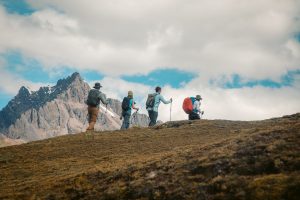
- Popularity: You’ll see more trekkers, but again, this is Ausangate. “Crowded” here means you might see three groups instead of one. Not a constant stream of hikers along the route like other, more popular treks.
Shoulder Season (April & October): The Underrated Gems
Shoulder season is for trekkers who want to beat the “busy” months and don’t mind rolling the dice on weather. Little insight: you’ll usually be alright when it comes to luck.
April
- Green landscapes
- Intermittent showers
- Fewer people
- Temperatures warming after rainy season
- Some afternoons may bring dark clouds cruising in like they own the place
A great option if you’re flexible and enjoy moody mountain light.
October
- Dry season glow lingering
- Rising chance of afternoon rain
- Mild temperatures (relatively speaking)
- Colorful landscapes as vegetation starts to wake up again
October is one of our favourite “if-you-can-handle-a-chance-of-rain” months.
Rainy Season (November – March): The Months That Are A Bit All Over The Place
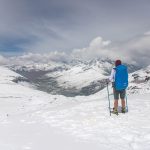
Let’s call these out for what they are: High-risk, muddy, slippery, storm-prone, visibility-limited months where Ausangate likes to test your commitment to adventure.
Could it still be done? Yes. Would we recommend it? Not unless you have to travel at this time of year.
Here’s why:
1. Heavy Rains
The kind that soak gear, tents, socks, spirits, and occasionally entire groups when the sky decides to drop a bucket of icy water.
2. Trail Conditions Can Get Rough
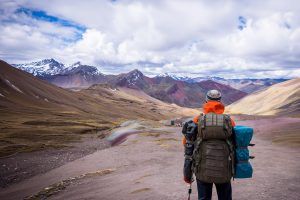
Mud. Wet rocks. Stream crossings that become river crossings.
3. Avalanche & Mudslide Risks Increase
This is a glaciated region, and that matters.
4. Poor Visibility
Those postcard views? Gone. Well, not all the time, but they may well be hidden by clouds thicker than your warmest alpaca jumper.
Rainy Season Breakdown
November
Unpredictable mood swings. Some sunny windows, but storms begin to roll in.
December – February
Peak rain. Lightning storms at altitude. Mud. Flooded sections. Possibly unhappy hikers. In fact, many guides and tour operators won’t take you out at this time of year due to the risk of danger.
March
Still wet but slowly calming down. We like to think of this as the earliest “maybe” month for adventurous travellers.
Temperature On The Trail (So You Know What You’re Walking Into)
Regardless of the month, Ausangate doesn’t do warm. But here’s the general vibe.
Daytime Temperatures: 5°C to 15°C (41°F to 59°F). Sunny stretches feel warmer but can change instantly.
Nighttime Temperatures: -5°C to -15°C (23°F to 5°F) in dry season. Slightly milder (but wetter) in rainy season
Wind Chill: At high passes (5000+ m), a friendly 5°C day can suddenly feel like –5°C if the wind decides to make an appearance.
Best Time To See Rainbow Mountain During The Ausangate Trek
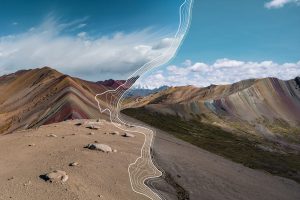
Many Ausangate itineraries include a side trip to Vinicunca, better known as Rainbow Mountain, which, fun fact, looks significantly less rainbow-y in wet conditions.
The best months for Rainbow Mountain views? May to September. The worst? December to February, when the colours often hide under snow, mud, or thick cloud cover.
Llama & Alpaca Season (Yes, That’s a Thing)
One of the best parts of the Ausangate region is its enormous population of alpacas and llamas. Basically the fluffy gatekeepers of the Andes.
Even though they’re around all year, dry season offers:
- Larger herds grazing
- Clear weather for photographing their cute faces
- Baby alpacas (crías) from May to July, and they are dangerously adorable
Just don’t try to smuggle one home. It’s not allowed. Sadly.
Altitude & Acclimatization Considerations
There is no month (not even the friendliest one) in which altitude becomes less serious. Whether it’s sunny July or rainy January, Ausangate is an extremely high-altitude trek and requires:
- At least 2–3 days of acclimatization in Cusco
- Drinking water like it’s your job
- Slow, steady walking
- Sensible pacing
- Respect for your body
- And ideally a guide who’s seen every altitude scenario under the sun
Altitude will remind even the fittest trekkers that oxygen is not included in the price of admission.
So… When Should You Hike Ausangate?
Recommended Months (Top Tier):
- May, June, July, August, September
Perfect combination of:
- ✔ clear skies
- ✔ dry trails
- ✔ incredible views
- ✔ safe conditions
- ✔ colourful landscapes
- ✔ good nighttime stability (even if cold)
Acceptable Months (Some Chaos Included):
- April & October
Expect:
- ✔ beautiful scenery
- ✔ fewer trekkers
- ✘ some storms
- ✘ occasional visibility issues
- ✘ mud depending on recent rains
Not Recommended (Unless You Love A Super Challenge):
- November – March
Expect:
- ✘ heavy rain
- ✘ riskier trail conditions
- ✘ obscured views
- ✘ unstable weather
- ✘ a higher chance of “I told you so” moments
Expert Tips For Choosing The Right Month
- Want to prioritise clear skies? Go June–August.
- Want warmer-ish conditions? Try April, September, or October.
- Want fewer hikers? Choose May or late September.
- Want peak rainbow colours on Vinicunca? June–August delivers the sharpest palettes.
- Want to avoid freezing nights? Good luck. Bring a good sleeping bag.
Essential Gear Regardless Of Season
Some items are optional. These are not, no matter when you travel.
- Down jacket (the kind that makes you look like a marshmallow)
- Four-season sleeping bag (–10°C or lower)
- Thermals
- Waterproof jacket & trousers
- Trekking poles
- Headlamp
- Gloves, beanie, buff
- High-SPF sunscreen (the sun at high altitude is no joke)
- Good boots with ankle support
- Dry bags (because Mother Nature is unpredictable)
Optional but highly recommended:
- Hot water bottle for nights
- Chocolate for morale
- Camera for those inevitable “I can’t believe this is real” moments
Final Verdict: Best Time To Hike Ausangate
If your goal is the best balance of weather, safety, views, and comfort, the crown goes to May – September.
These months are clear, stable, stunning, and absolutely ideal for exploring one of Peru’s most majestic mountains.
For the adventurous and slightly weather-flexible? April and October offer quieter trails and beautiful conditions with a dash of unpredictability.
For the truly fearless or very, very determined? November to March is all yours, but we’ll be the ones politely encouraging you to reconsider.

Leave A Reply