
If you are planning a trip to Peru, Machu Picchu is probably at the top of your list. But there is another breathtaking wonder that has captured the hearts of travelers worldwide: Rainbow Mountain, locally known as Vinicunca.
With its striking stripes of turquoise, lavender, and gold, this geological marvel looks like something out of a dream. However, getting there requires a bit of planning, a touch of grit, and a solid understanding of the altitude.
Here is your ultimate, no-nonsense guide on how to get to Rainbow Mountain safely and making the most of your adventure.
Table of Contents
What is Rainbow Mountain (Vinicunca)?
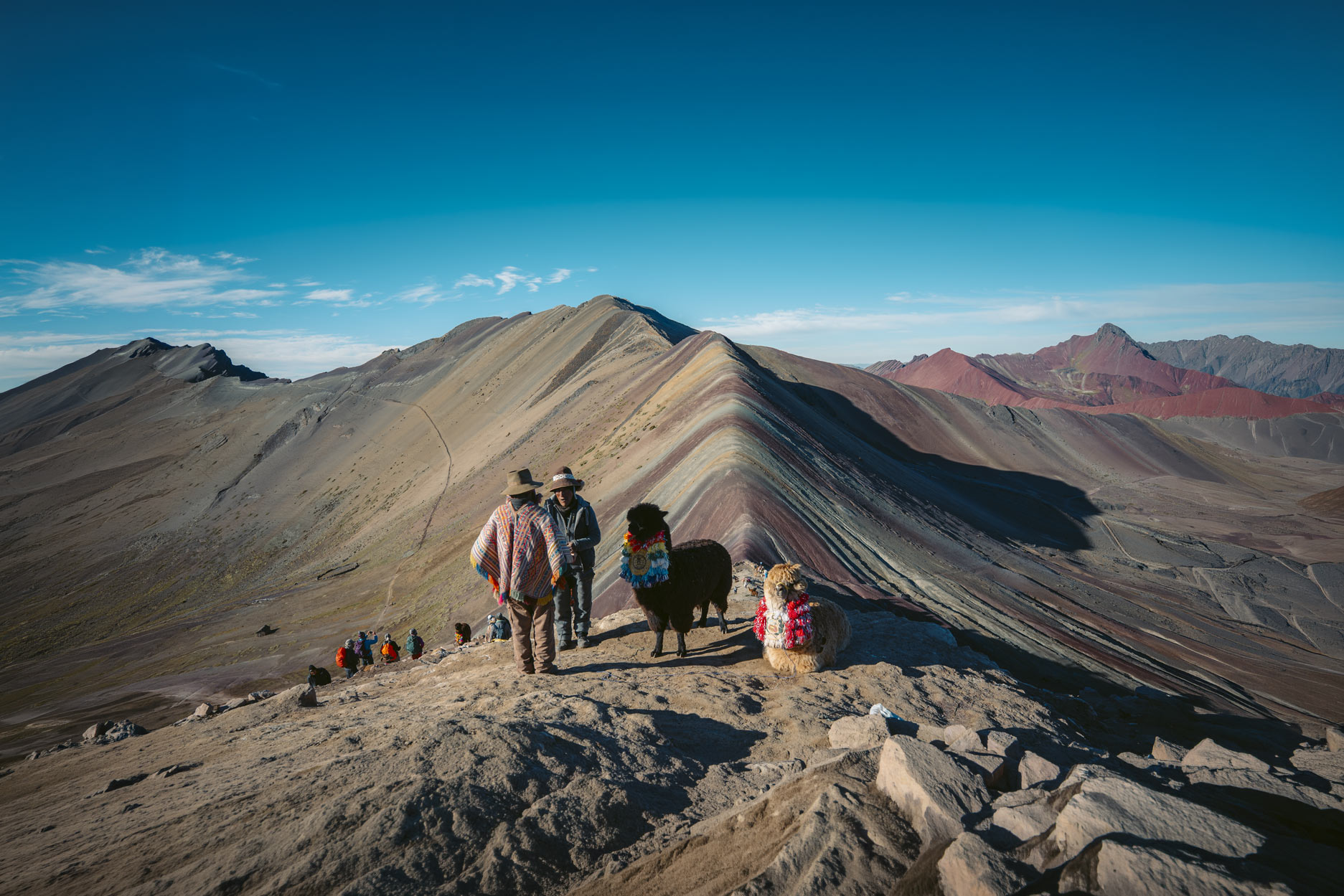
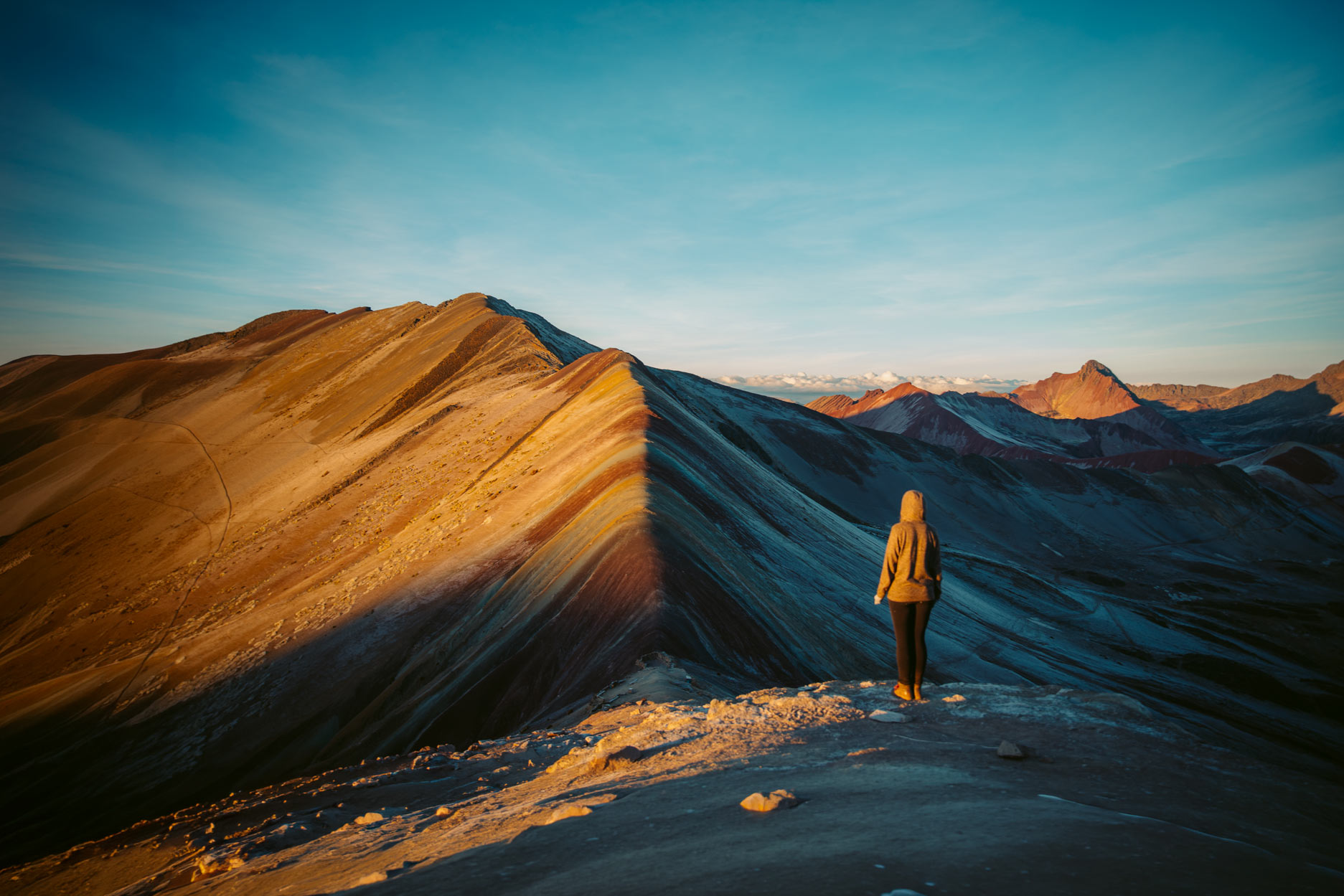
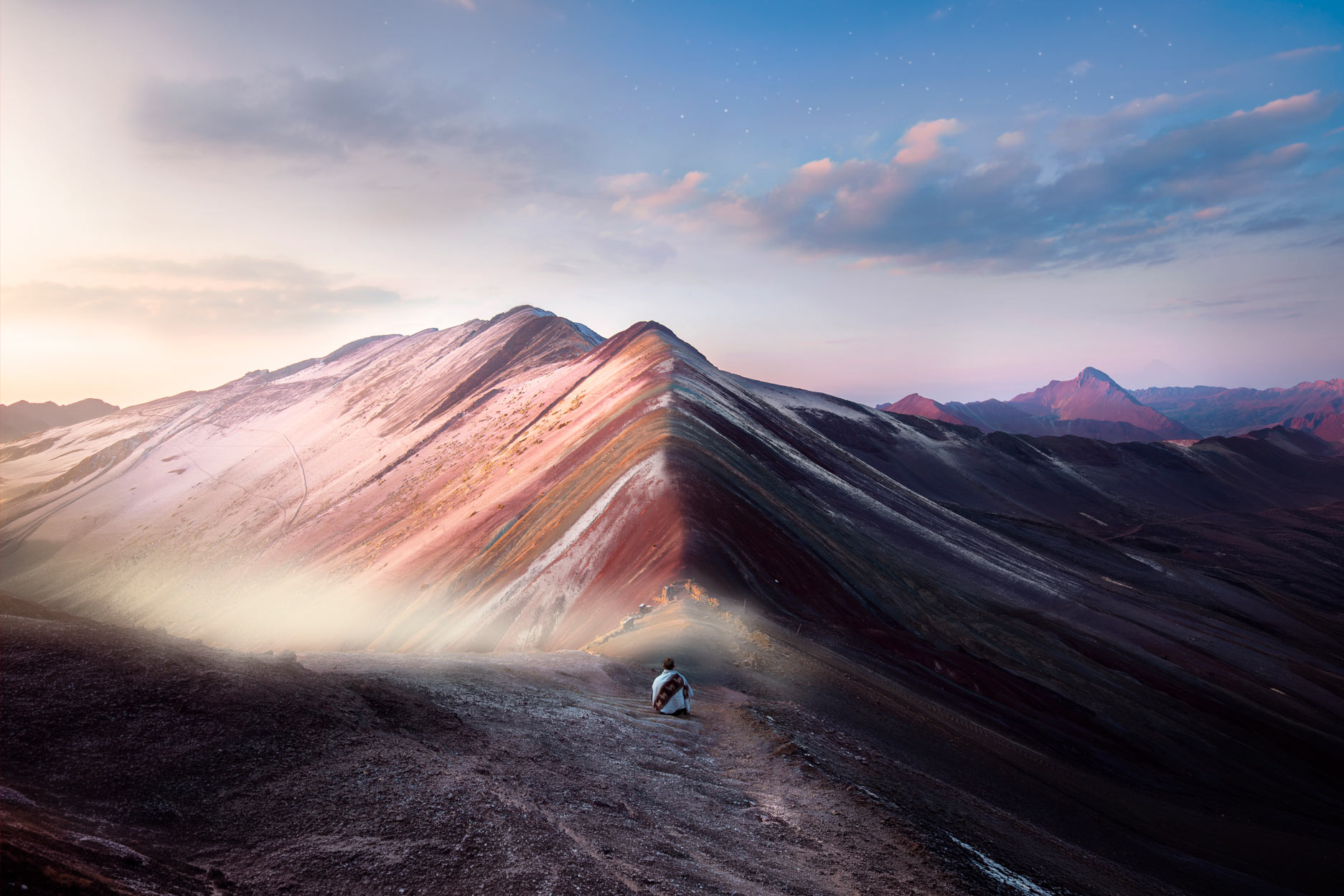
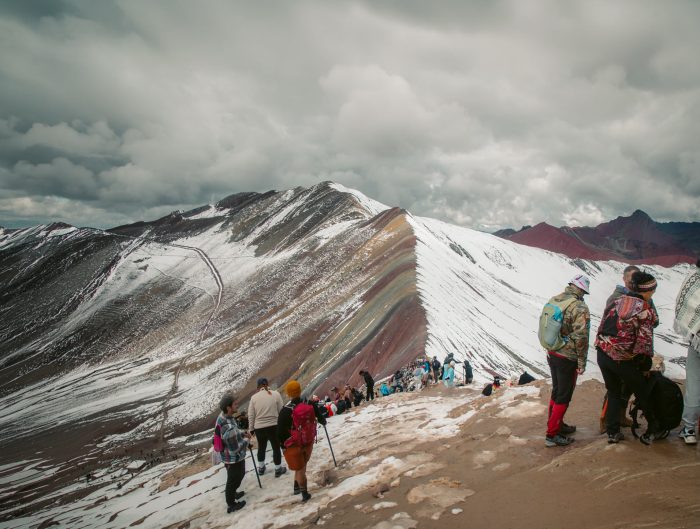
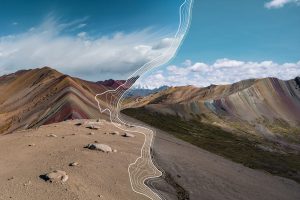
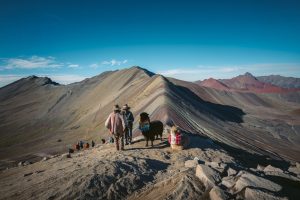
Vinicunca, which translates to “rainbow neck” in Quechua, is located in the Vilcanota mountain range of the Andes. For centuries, these vibrant colors were hidden under a thick blanket of snow. Due to global warming, the ice melted, revealing a stunning array of sediment layers composed of iron, sulfur, magnesium, and other minerals.
The mountain sits in the shadow of the mighty Ausangate peak, the holiest Apu (mountain spirit) in Inca mythology.
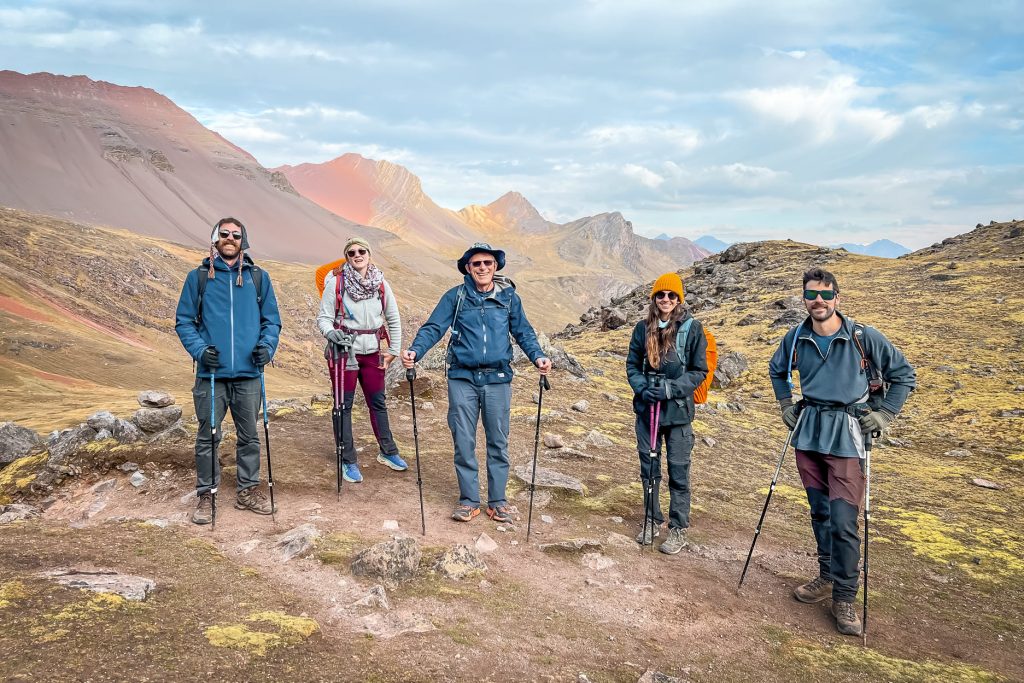
How to Get to Rainbow Mountain from Cusco
Rainbow Mountain is located about 100 kilometers (62 miles) southeast of Cusco. You essentially have two main options to get there: booking a guided tour or venturing out on your own.
Option 1: Taking a Guided Tour (Recommended)
This is, by far, the easiest and most popular way to visit. Because the journey begins incredibly early, letting someone else handle the logistics is a lifesaver.
- The Itinerary: Most tours pick you up from your Cusco hotel between 3:30 AM and 4:30 AM.
- The Drive: You will drive about 3 hours to the trailhead, usually stopping for a basic breakfast along the way.
- The Inclusions: Standard tours include round-trip transportation, breakfast, lunch, an English/Spanish-speaking guide, and first-aid kits (including oxygen tanks).
Option 2: Going Independently (For the Bold)
If you prefer to avoid the crowds or set your own pace, you can travel solo, though it requires more effort.
- Collectivo to Checacupe: Take an early morning bus or colectivo from Cusco toward Sicuani and get off at Checacupe (about 2 hours).
- Taxi to the Trailhead: From Checacupe, you will need to negotiate a round-trip rate with a local taxi driver to take you to the Phulawasipata trailhead and wait for you while you hike.
⚠️ Warning: Going independently can end up costing more than a budget group tour because of private taxi rates, and you won’t have access to emergency oxygen unless you bring your own.
The Hike: Distance, Difficulty, and Altitude
The trek to Vinicunca is a classic high-altitude hike. While the trail itself isn’t incredibly steep or technical, the lack of oxygen makes it a challenge.
Key Trek Statistics:
- Trailhead Altitude: 4,600 meters (15,091 feet)
- Rainbow Mountain Summit: 5,036 meters (16,522 feet)
- Hike Distance: Approximately 7 km (4.3 miles) round-trip
- Hike Duration: 1.5 to 2 hours up, 1 hour down.
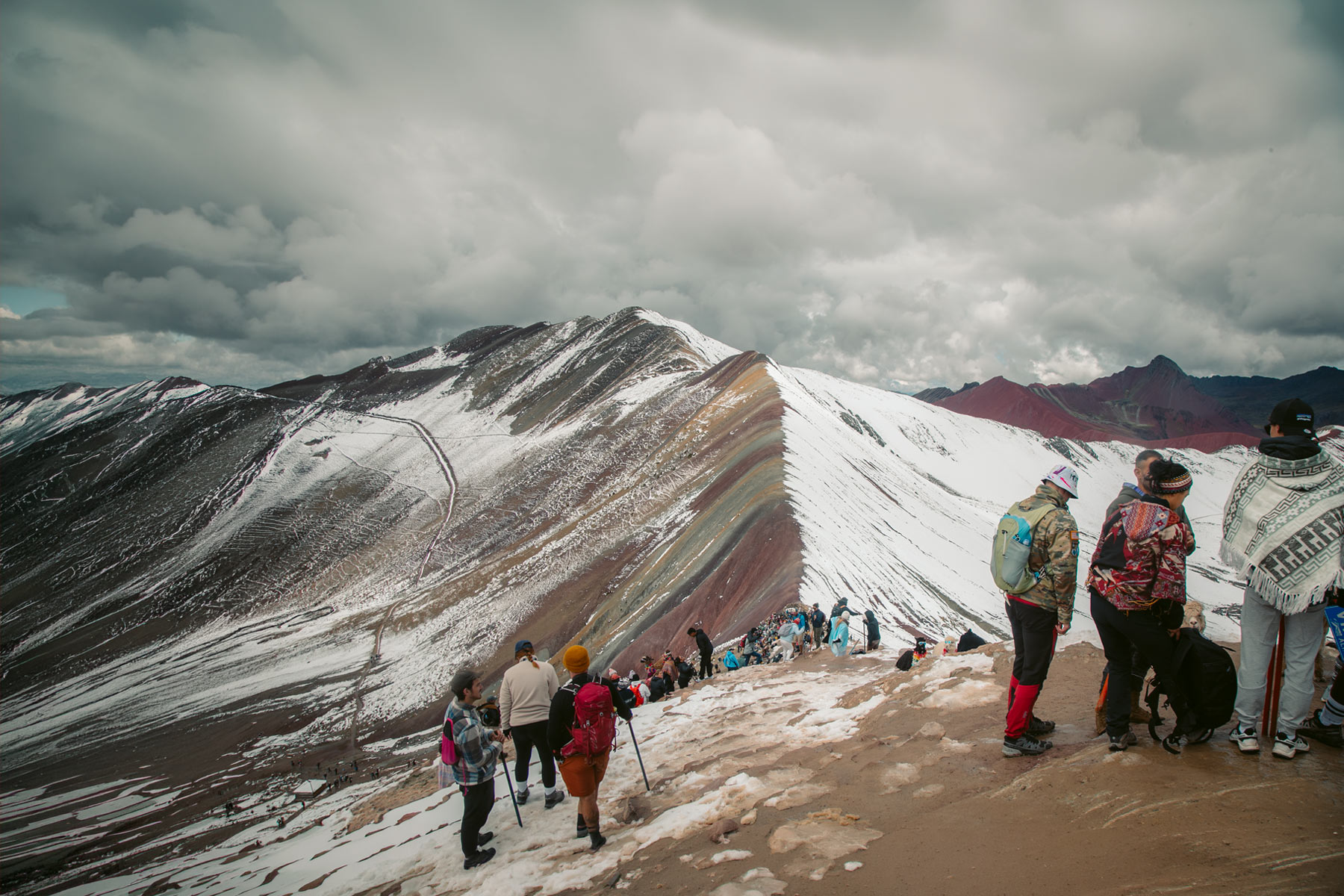
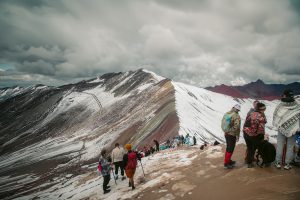
The path is wide and gradually inclines, but the final 200 meters to the viewing platform are quite steep. If you find yourself struggling, local community members offer horses for rent one-way for about 70 to 80 PEN ($20 USD). Note that horses cannot take you up the final, steepest stretch.
Alternative Route: The Ausangate Trek
For true trekking enthusiasts, seeing Rainbow Mountain as a quick day trip doesn’t do the region justice.
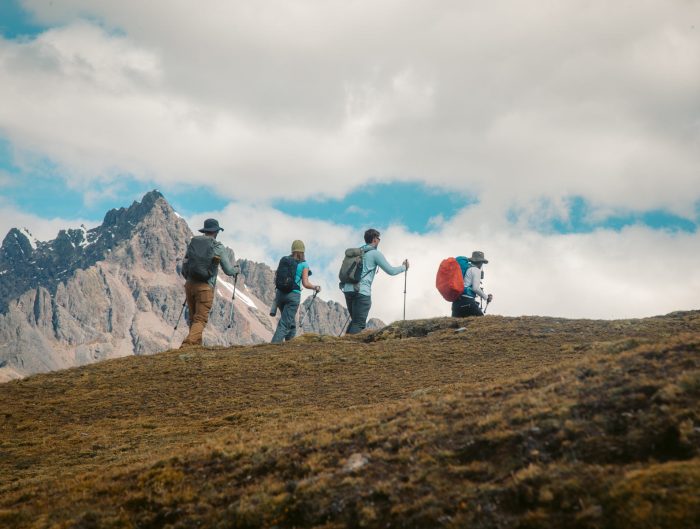
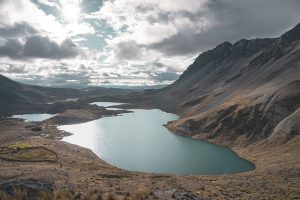
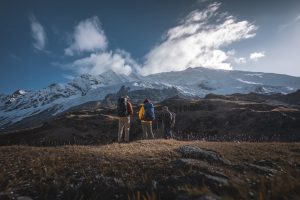
You can opt for the multi-day Ausangate circuit. This challenging 4-to-5-day trek takes you around the majestic, snow-capped Ausangate mountain, passing neon-blue glacial lakes, herds of alpacas, and eventually detouring to Vinicunca before the mass of day-trippers arrives.
Essential Tips for the Trip
- Acclimatize First: Spend at least 2 to 3 days in Cusco before attempting this hike. Altitude sickness is real and can ruin your trip.
- Dress in Layers: The weather at 5,000 meters is wildly unpredictable. You might start the hike sweating in the sun and finish it shivering in a snowstorm.
- Bring Cash: You will need Peruvian Soles (PEN) for the entrance fee (if not included in your tour), snacks, toilets along the trail, and horse rentals.
- Chew Coca Leaves: Do as the locals do. Coca leaves or coca candies help increase oxygen absorption and alleviate headaches.
Frequently Asked Questions (FAQs)
1. What is the best time of year to visit Rainbow Mountain?
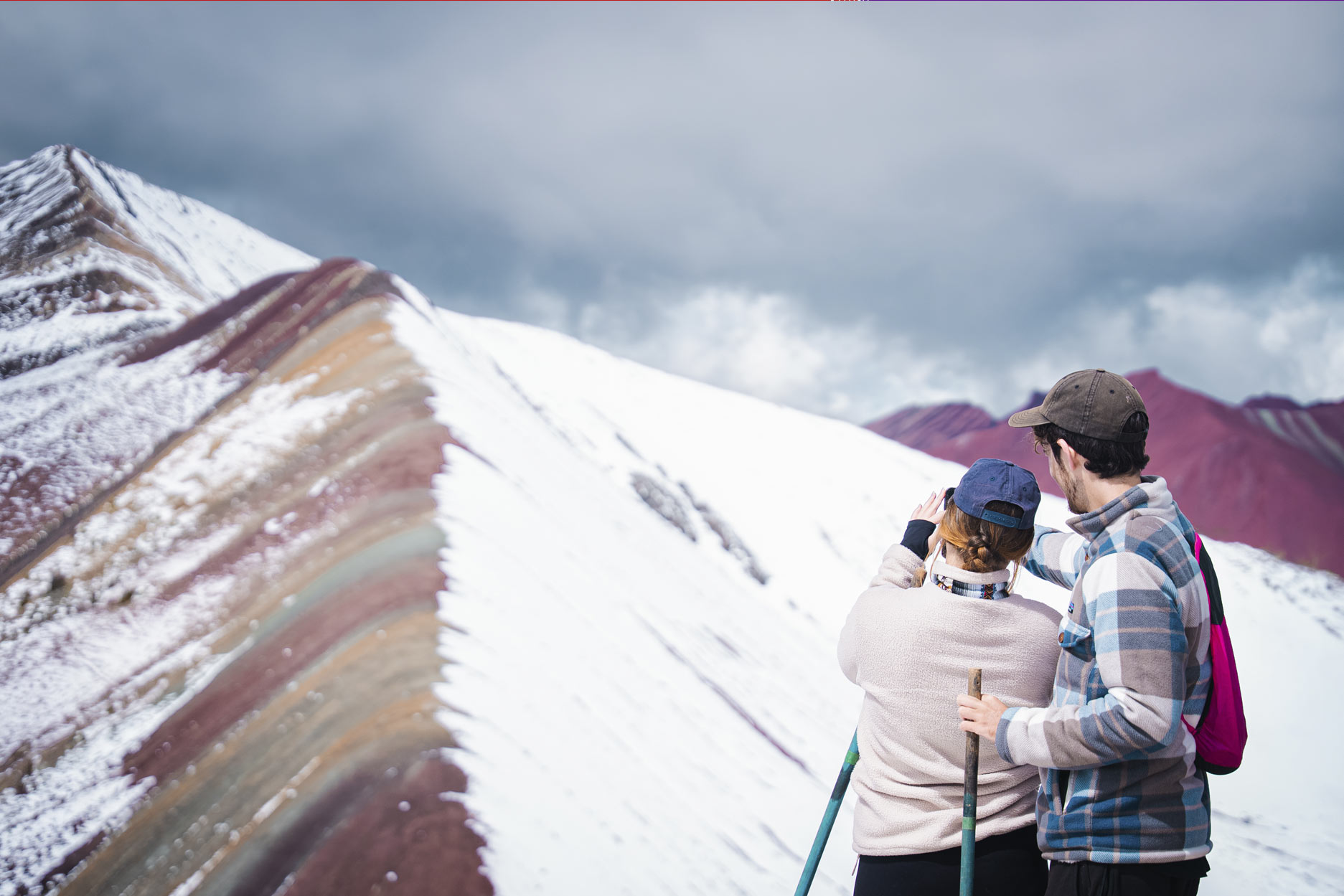
The best time to visit is during Peru’s dry season, from May to September. The skies are usually clear, offering the best views of Vinicunca and Ausangate. The rainy season (December to March) can make the trail muddy and the mountain might be covered in snow.
2. How much does it cost to enter Rainbow Mountain?
The standard entrance fee for foreign tourists is 25 PEN (approximately $7 USD). Check if your tour package includes this fee or if you need to pay it in cash at the checkpoint.
3. Can I visit Rainbow Mountain if I am not in great shape?
Yes, because you can rent a horse for the majority of the uphill climb. However, you still need a basic level of fitness and healthy lungs/heart to handle the extreme altitude at the summit.
4. Is there a difference between Rainbow Mountain and Palccoyo?
Yes. Vinicunca is the famous, classic Rainbow Mountain. Palccoyo is an alternative “Rainbow Mountain” nearby that features three colored mountains, is much less crowded, and requires a significantly shorter, flatter hike (about 45 minutes round-trip).
5. What should I pack for the day trip?
You should pack a small backpack with: a winter jacket, gloves, a beanie, sunglasses (the glare is strong), sunscreen, a rain poncho, a reusable water bottle, and snacks like nuts or chocolate.
6. Are there bathrooms on the trail?
Yes, the local community has set up basic, rustic eco-toilets along the trail. You will need to pay 1 or 2 PEN to use them, and you must bring your own toilet paper.
7. Can you see the Red Valley from Rainbow Mountain?
Yes! The stunning Red Valley is located right behind Vinicunca. Many tours offer an extension to walk back through this Martian-like landscape for an extra fee (around 10-20 PEN). It is highly recommended if you have the energy.
8. Is altitude sickness common on this trek?
Yes, it is very common because the summit is over 5,000 meters above sea level. Symptoms include headaches, dizziness, nausea, and shortness of breath. Drink plenty of water, take soroche (altitude) pills, and do not rush your pace.
9. Can children or elderly people do this hike?
It is not recommended for children under 10 or adults with respiratory or cardiovascular issues. For older adults in good physical condition who have acclimatized well, renting a horse makes the trip entirely feasible.
10. Can I fly a drone at Rainbow Mountain?
Drone regulations change frequently, but currently, flying professional drones is either prohibited or requires a special fee paid to the local community at the entrance. Always ask your guide before launching a drone to avoid fines or confiscation.
Related Articles

Leave A Reply