
Peru is a trek-lovers paradise. Hikers from everywhere flock to this South American destination to tick off bucket loads from their bucket list: the Inca Trail, Salkantay Trek, Lares Trek, and plenty more. Each place has a reason for its fame and popularity.
But then there’s the Ausangate Trek. It’s a quiet contender but it’s a great one. Mystical and not trying to impress you with ruins or lead you to a world wonder. It just hits you with raw, intense, mind-bending beauty.
So, what makes this route so different from the rest? How does it stand up against the big names in the trail world? And is it for you?
Below we break down everything you need to know in a side-by-side comparison to show you exactly why Ausangate stands out in the Peruvian trekking scene. You never know, you might be ringing up to change your trekking reservation to something a little different.
Table of Contents
Understanding The Ausangate Trek
But hold on a minute. Before we compare this route to the others, let’s take a quick look at exactly what Ausangate is.
Where Is The Ausangate Trek Located?
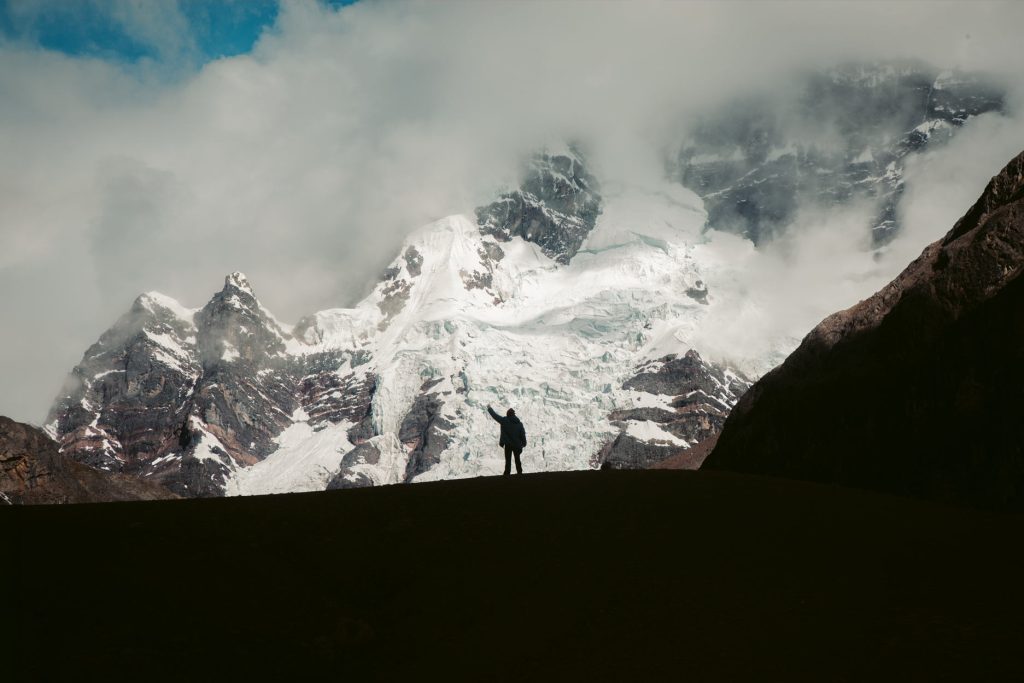
Ausangate mountain sits in the Vilcanota Mountain Range, which is around 100 km southeast of Cusco. You can see it from the city and it’s the tallest mountain in the region, reaching 6,372 m / 20,905 ft at its peak. Pretty high, right?
The mountain is considered as one of the most sacred in Andean tradition and is known as an ‘Apu’ that watches over and protects them.
Trekking Route Overview
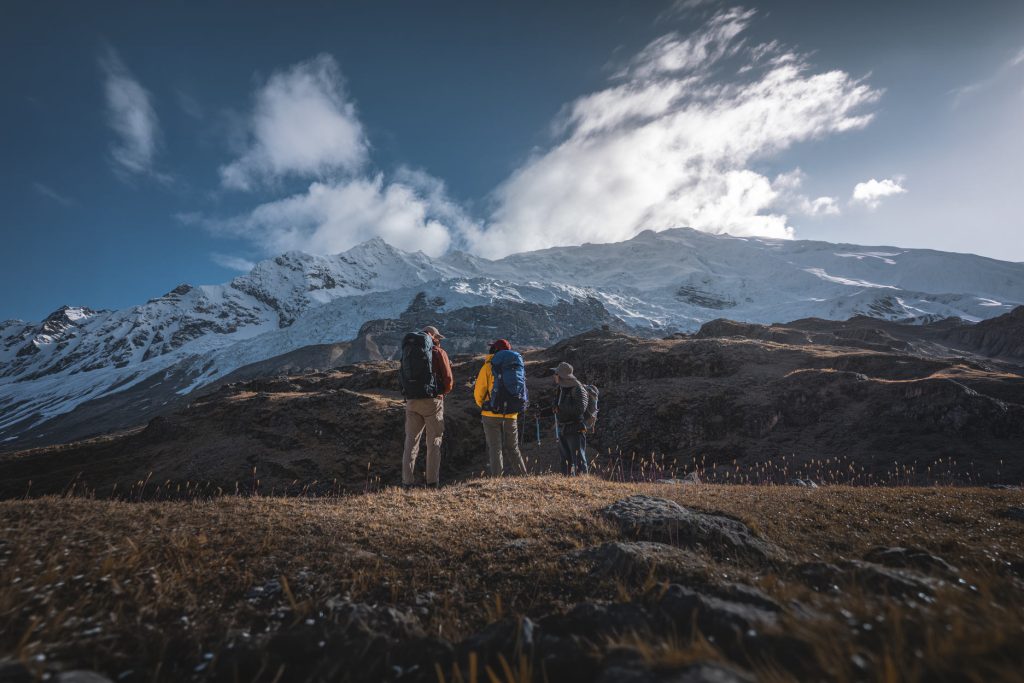
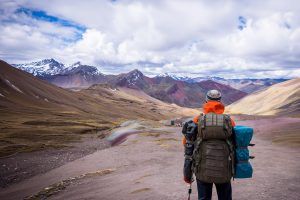
The longer routes around Ausangate are between 4-7 days and loop around the mountain. Some of the key highlights to look out for include:
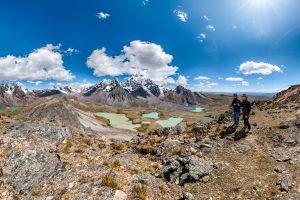
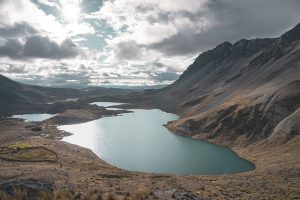
- Emerald and turquoise lagoons
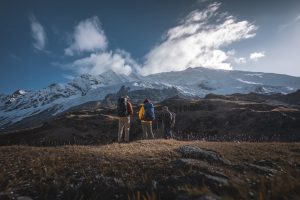
- Huge hanging glaciers
- Multiple passes over 5,000 m / 16,404 ft
- Endless herds of alpacas and vicuñas
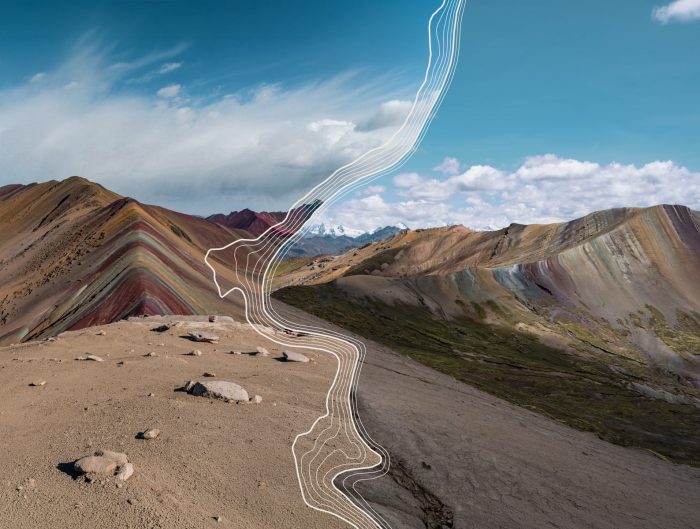
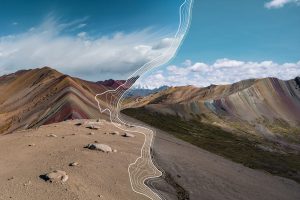
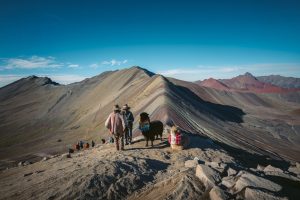
- Color-striped mountains and valleys
- The option to see Rainbow Mountain and the Red Valley on a less crowded route
Just so you’re aware, this is no casual walk in the park. This is an exhilarating high-altitude expedition. Challenging, remote, and unspoiled.
Ausangate vs Inca Trail
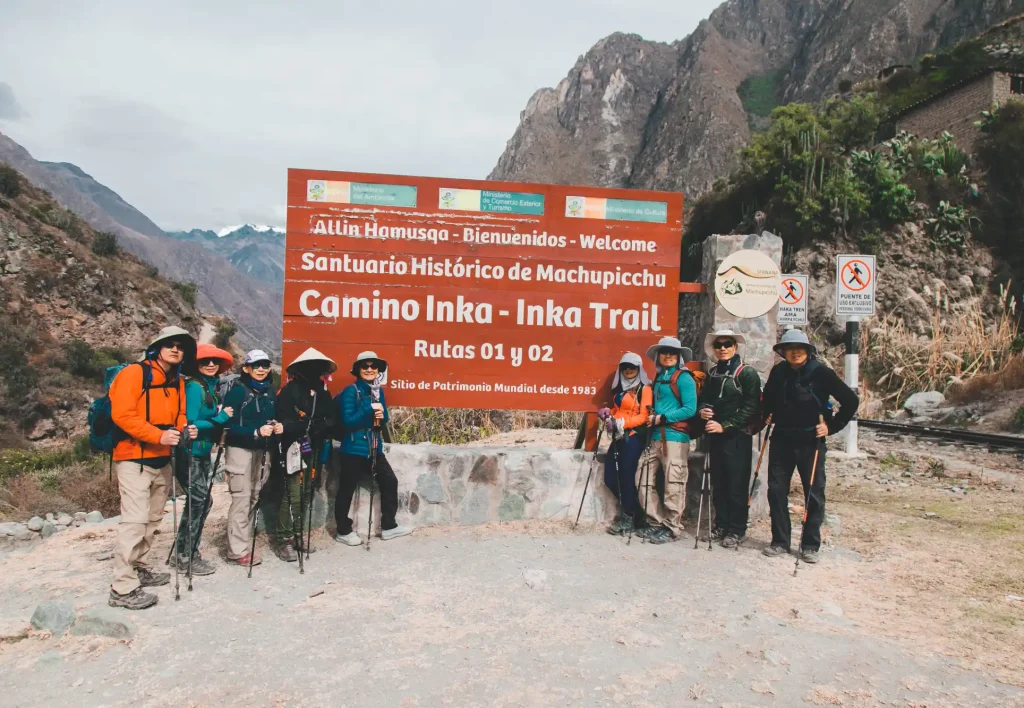
Let the comparisons commence! We kick things off with Peru’s most iconic hike and one that gets booked out months in advance. It offers Incan archaeological sites, lush forests, and, of course, the grand finale – walking into Machu Picchu through the Sun Gate.
What The Inca Trail Offers
- Cloud forest scenery
- Dozens of Incan sites
- Heavily regulated permits (there are only 500 permits a day)
- The only trek that ends inside Machu Picchu
- A very structured experience
What Makes Ausangate Unique
- No crowds (seriosuly – some days you only see alpacas)
- Trekking through rainbow valleys without day-tour crowds
- An authentic nature experience
- Interactions with local communities and ancient traditions
- High altitude expedition vibe
The Verdict
If your main goal is to see one of the New Seven Wonders of the World and other Incan sites, go for the Inca Trail. If raw wilderness and serenity is the dream, Ausangate wins hands down.
Ausangate vs Salkantay Trek
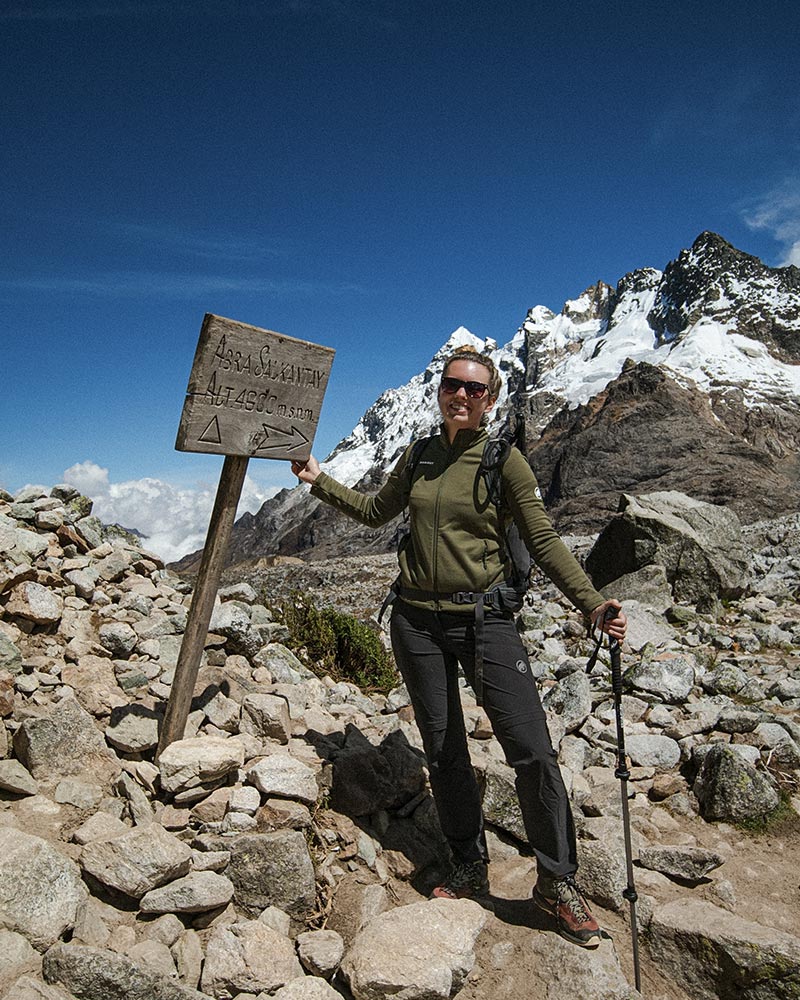
Next up? The most famous alternative to the Inca Trail, often described as the more adventurous route to Machu Picchu. With a bigger variety in scenery but still boasting plenty of Incan sites, there’s no wonder it’s so popular.
What The Salkantay Trek Offers
- A range of ecosystems, like mountains and jungle
- The scenic Salkantay mountain
- The chance to end at Machu Picchu
- Comfortable camps and accommodation
What Makes Ausangate Unique
- More remote, so no cafes or shops tucked along the route
- A full loop around a sacred mountain
- Much higher elevations
- Variety of different landscapes: blue lagoons, white glaciers, rainbow mountains, red valley
- A true expedition sensation
The Verdict
Like a bit of variety? Salkantay could be what you’re looking for. Prefer less crowds and feel comfortable with the altitude? Go for Ausangate.
Ausangate vs Lares Trek
Our last comparison is against one of the lesser known routes and one that’s sometimes referred to as the cultural alternative to the Inca Trail. It takes you through traditional Andean villages and many important parts of the Sacred Valley.
What The Lares Trek Offers
- Easier terrain and paths
- Farmland and populated valley landscapes
- Renowned hot springs
- Interaction with local Quechua families
- Connection to the Sacred Valley of the Incas
What Makes Ausangate Unique
- Gigantic glaciers and crystalline lakes
- No villages, just remote communities
- Vast, untouched wilderness
- Some of the most dramatic high altitude passes in Peru
The Verdict
Both treks are very picturesque, but choose Lares if you want to focus on culture and Ausangate if you want out of this world scenery and more of a challenge.
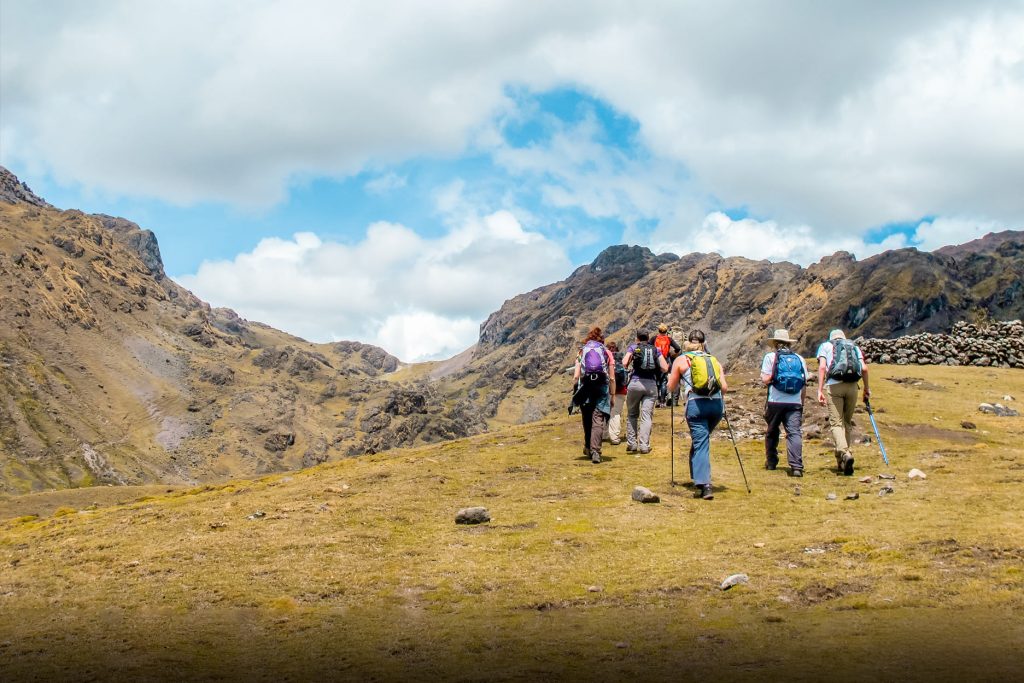
What Truly Makes The Ausangate Trek Stand Out?
Each of these treks has its unique selling point, and we highly recommend them all, but there’s just something special about Ausangate. Here are a few of the reasons it has a special spot in our hearts.
Remote, Untouched Wilderness
You won’t find a coffee shop to stop for an espresso along the way. There’s no wifi. Not even many people you can give a friendly nod to as you walk by. Nope. It’s just mountains, glaciers, and the occasional curious alpaca.
The Altitude
The Ausangate Trek is one of Peru’s highest routes. The air is thin and you feel every breath and heartbeat. For many, taking on the challenge is a badge of honor. The weather changes fast, the scenery is more dramatic, and you truly feel like you’re on an expedition.
The Sacred Importance
As an Apu, the local communities see the mountain as a sacred spirit that protects them. Trekking the route holds great significance to locals and you can sense this every step of the way.
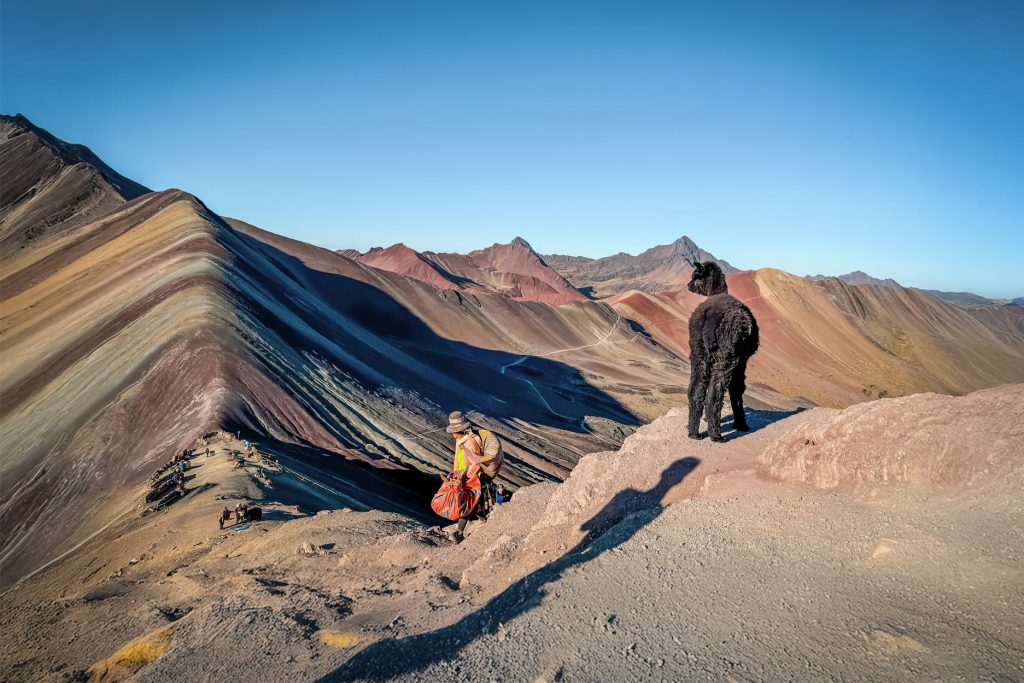
Rainbow Landscapes (Yes, Plural)
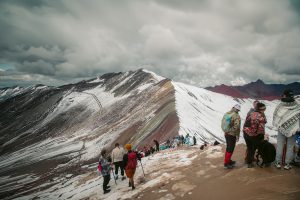
Sure, you could go on a day trip to Rainbow Mountain, but it can be crowded and you can’t get the solo photo you wanted for your shelf at home.
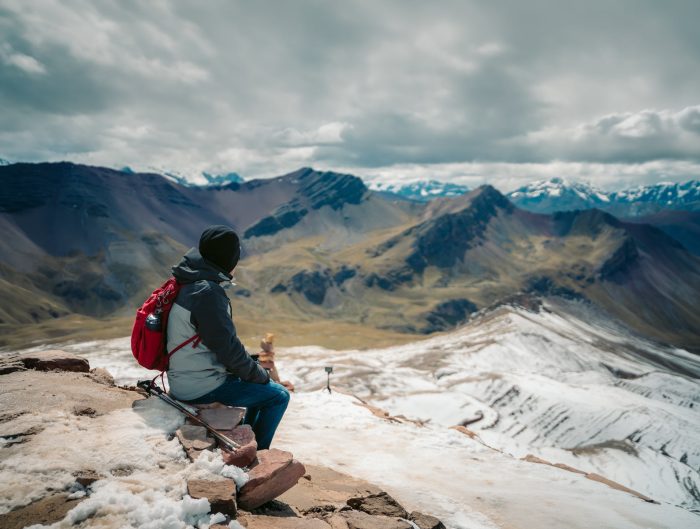
On the Ausangate Trek, not only do you get to visit Vinicunca mountain at a quieter time of day, but you also get a VIP pass to other rainbow and intense-colored landscapes, like the Red Valley.
Glacier Lakes
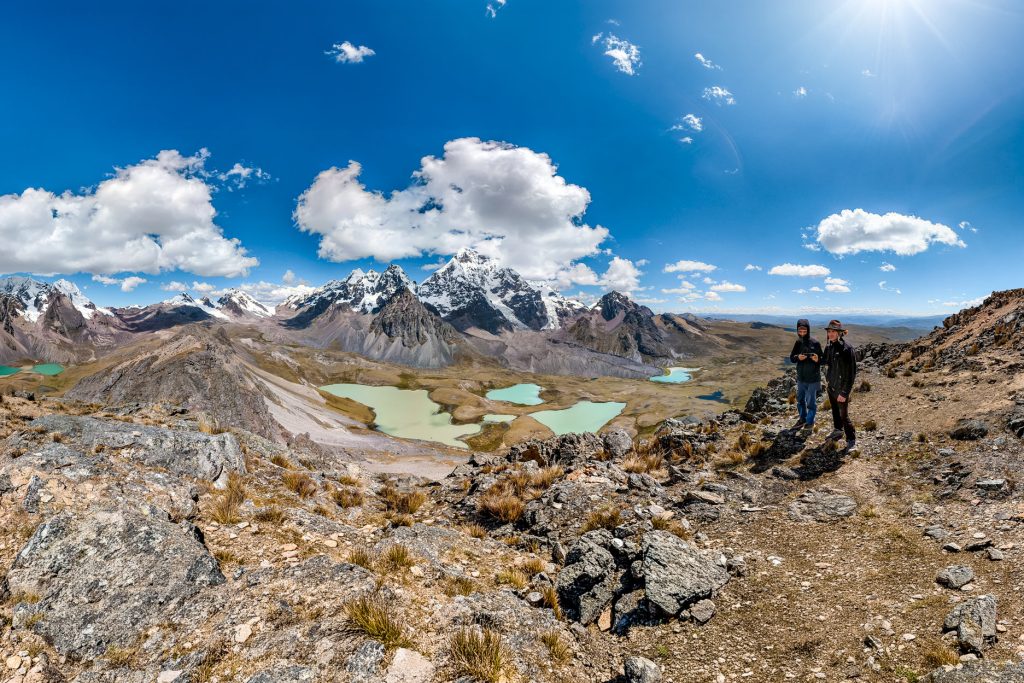
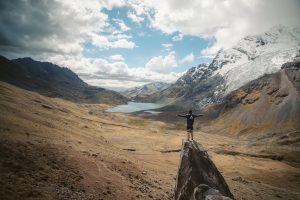
Do you love photography? Prepare to fill your camera roll on this trek. The lagoons and lakes are unreal. Depending on the time of day and the minerals in the earth, the waters shimmer in shades of blue, turquoise, emerald, and silver.
Is Ausangate Harder Than The Other Treks?
The short answer is yes, but that doesn’t mean it’s impossible. The trek itself isn’t technically difficult. In fact, the paths are pretty straightforward. The main challenges come from:
- The altitude
- The weather
- The remoteness
There are no forests or jungles to shield you from the wind and rain. If the weather takes a turn up here? You face it head on.
Ausangate Trek Weather And Conditions
The weather on the Ausangate Trek can be unpredictable and changeable. The sun is intense, the nights often drop below freezing, and conditions can shift dramatically in minutes. Understanding what you’re walking into (literally) could mean the difference between an unforgettable adventure and a very uncomfortable few days in the wilderness.
Dry Seaons vs. Wet Season
The seasons will affect your decision whichever route you choose, but on the Ausangate circuit, the differences between them are more extreme.
Dry Season
The dry season is between May and September and is the most popular time of year to trek. You can expect clear skies, pristine mountain views, little rain, cold nights and mornings, and stable trail conditions.
Wet Season
As you might imagine, the wet season comes with more rainfall. And the result? Limited visibility, possible snow, slippery trails, and even the chance of thunderstorms. On the plus side, temperatures at night are warmer and the valleys are greener, but take the extreme conditions into consideration if you’re going to travel between November and March.
Shoulder Season
April and October sit on either side of the wet and dry seasons. These months are beautiful and often warm and pleasant, but they can be a little unpredictable weatherwise. Choose these months if you want to enjoy a nice climate and avoid the peak season.
Who Is The Ausangate Trek Best For?
Weighed up your options and still can’t decide? That’s OK! Maybe this will sway you. Ausangate is ideal for:
- Those who’ve already been to Machu Picchu
- Altitude lovers (yes, these people do exist)
- Anyone wanting to travel off-the-beaten-path
- People who love remoteness and solitude
- Serious hikers
- Outdoor photographers
- Anyone wanting a rare experience
If it’s your first ever hike, you’re travelling with children, or you’re hoping to enjoy plenty of archaeological sites, it might not be for you. But otherwise, strap on your walking boots and get on over to Peru. Ausangate is waiting for you!
The Final Showdown: What Makes Ausangate Unique?
Out of all the treks in Peru, Ausangate is in a league of its own. There are no ruins. No crowds. No “easy days”.
Instead, you’re treated to some of the most spectacular mountain scenery in all of South America. Discover multicolored landscapes you won’t see anywhere else while you enjoy the sense of remoteness tourism doesn’t generally allow.
In a nutshell?
If the Inca Trail is a historical journey, Ausangate is a spiritual one.
If Salkantay is an adventure, Ausangate is an expedition.
If Lares is cultural, Ausangate is natural and awe-inspiring.
We’re not joking when we say that for many trekkers, the Ausangate Trek becomes the most memorable of their lives because it’s unlike anything else.

Leave A Reply