
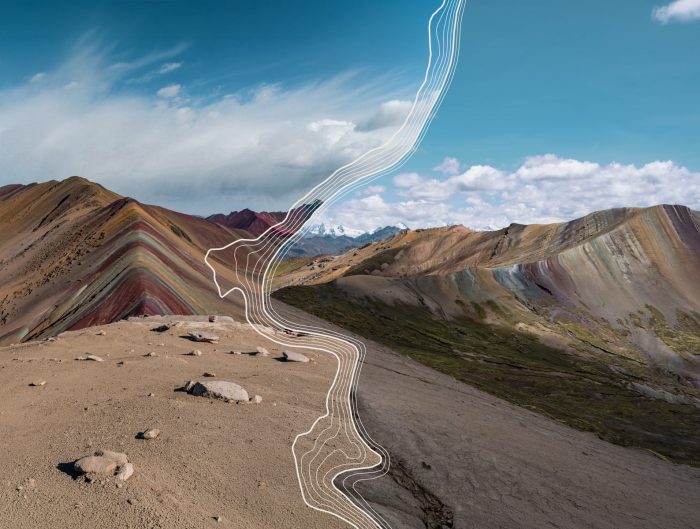
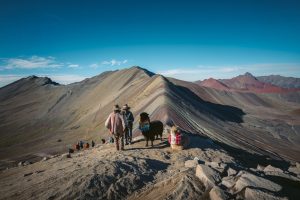
Golds, reds, purples, and turquoises, all on one mountain in the middle of the Andes? Yep. That’s Rainbow Mountain for you, aka Vinicunca. Yes, it’s remote. Yes, it’s extremely popular. But is it hard to reach the top? Is Rainbow Mountain difficult?
Let’s clear this up straight away: Rainbow Mountain isn’t the hardest hike in Peru. But it’s also not a casual stroll you knock out between breakfast and brunch.
Most people land somewhere in the middle of “Wow, that was tougher than expected” and “Okay… I actually did that.”
So what’s going on?
It’s not the distance. It’s not the terrain. It’s the altitude quietly stealing your breath and your strength at the same time.
This guide breaks it all down properly. No drama, no sugarcoating. Just real, on-the-ground advice from guides who’ve seen thousands of people make it to the top (and a few who wished they’d prepared better). So, let’s get to it.
Table of Contents
What Makes Rainbow Mountain Feel Difficult?
Before getting into specifics, it helps to understand that most people don’t struggle because the hike is complicated. They struggle because it’s unfamiliar. High altitude changes how your body works, and that changes the entire experience.
It’s Not Long, But It Is High
The Rainbow Mountain hike is relatively short, usually around 2–3 hours round trip, depending on the pace, over 7 km / 4.35 miles.
Sounds manageable on paper, right?
Now here’s the catch: you’re hiking at over 16,500 ft (5,000+ meters).
That’s the part that changes everything.
At that altitude:
- Oxygen levels are significantly lower
- Your body works harder for every step
- Even small inclines feel like a full workout
So while the distance isn’t extreme, the environment absolutely is.
The Trail Isn’t Technical, But The Ending Is Hard
Good news! You don’t need climbing skills, ropes, or any kind of mountaineering experience.
The trail is:
- Mostly wide and open
- Gradual at first, then steeper near the end
- Easy to follow
But that final stretch? That’s where people feel it most.
You’ll likely hit:
- A steeper incline
- Wind exposure
- That classic “why am I out of breath after 10 steps?” moment
Totally normal.
Altitude Is The Real Challenge
Let’s not dance around it. Altitude is the main reason people struggle.
At over 5,000 meters:
- Headaches can kick in
- You might feel dizzy or tired
- Your pace slows way down
Even fit, experienced hikers feel it.
That’s why guides always say that this hike is “moderate to challenging”. Not because of the trail, but because of where it is.
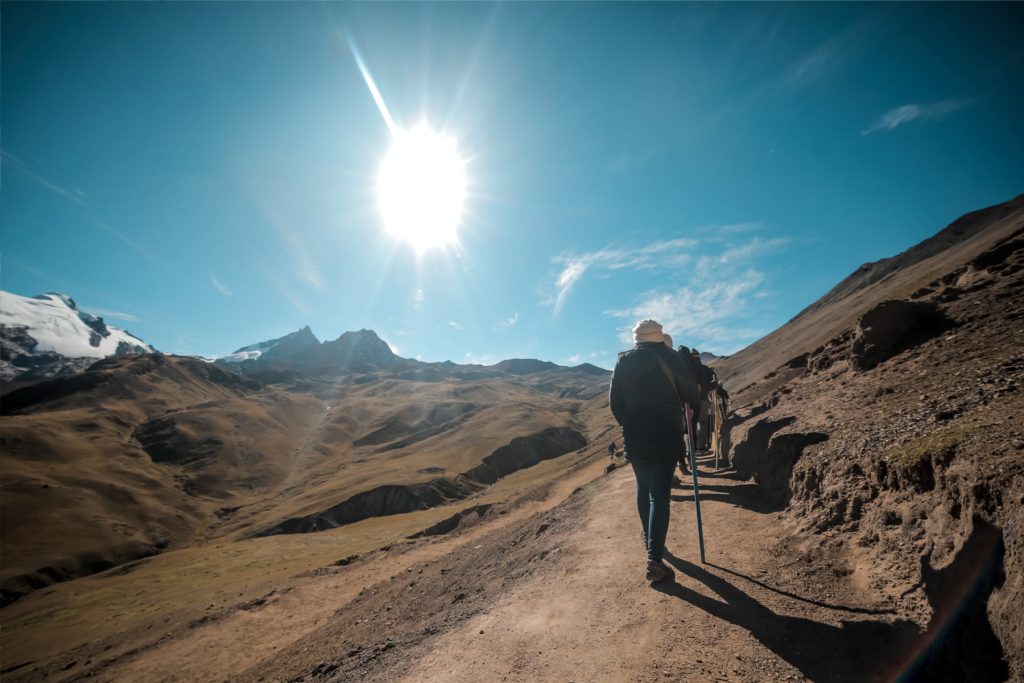
So, Is Rainbow Mountain Difficult For You?
Let’s make it practical.
It feels easier if you:
- Spend 2–3 days acclimatizing in Cusco
- Stay hydrated and well-rested
- Walk at a slow, steady pace
- Accept that you’re not setting any speed records
It feels harder if you:
- Arrive in Cusco and go straight into the hike (bold, but risky)
- Rush the ascent
- Ignore early signs of altitude sickness
- Underestimate how cold and windy it gets
Simple as that.
What The Day Actually Looks Like
Here’s how a typical experience plays out (and why it matters for difficulty):
Early Start (Yes, Very Early)
Most tours leave Cusco around 3–4 am. It’s a long drive through the Andes before you even start hiking.
You’ll arrive at the trail already slightly tired, which makes pacing even more important.
Breakfast Before The Hike
A proper tour includes a solid breakfast before you start. Think warm food, hot drinks, and enough fuel to actually get you up there.
This isn’t just a nice extra. It makes a noticeable difference in how strong you feel during the climb.
The Hike Itself
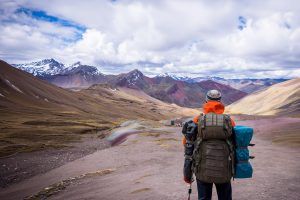
From the trailhead (4,630 meters / 15,190 feet), you’ll begin a gradual ascent through wide Andean landscapes.
Expect:
- Llamas and alpacas casually watching you struggle
- Big open views that make you forget you’re tired (temporarily)
- A steady climb that becomes more intense near the end
Most people take it slow, and that’s exactly how it should be done.
The Final Push
This is the part everyone talks about.
Short. Steep. High altitude.
Take breaks. Breathe. Keep moving.
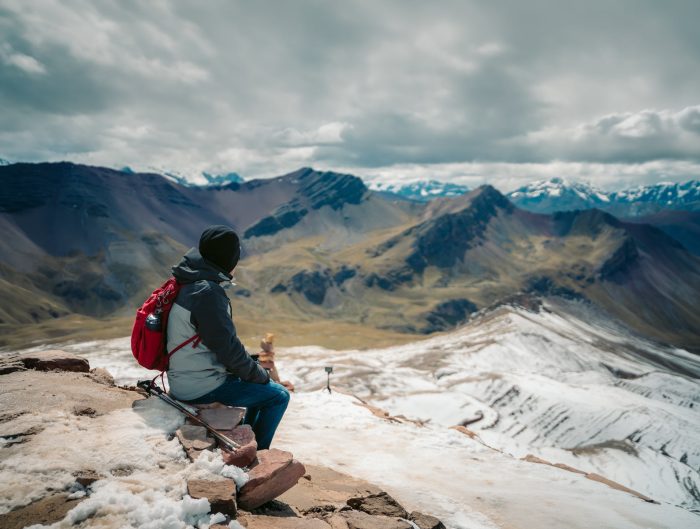
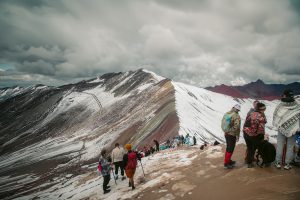
And then suddenly, you’re there. Rainbow Mountain stares you in the face in all its glory. This is the time to rest, take it all in, and fill your camera roll with incredible snaps.
The Red Valley
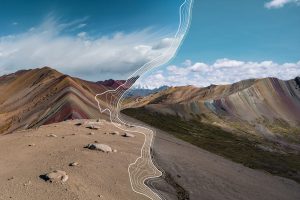
Many tours take you on an extra 25-minute hike to see the Red Valley. You might think you’ve walked straight onto Mars. No joke.
The Descent And Return To Cusco
Finally, you make your way back down, which you’ll be pleased to know doesn’t require as much effort.
Transport will take you back to Cusco with plenty of time to spare for you to enjoy a well-deserved dinner.
Real Tips From Local Expert Guides
This is where things shift from “survive it” to “actually enjoy it.” Our team of local experts weighs in on how to maximize your experience at Rainbow Mountain and make what might seem difficult not so hard after all.
Take Altitude Seriously (But Don’t Panic)
Altitude sickness is manageable if you prepare.
Do this:
- Acclimatize for at least 1–2 days in Cusco
- Drink plenty of water
- Try coca tea or coca candies
- Avoid alcohol before your hike
- Eat lighter foods for your first few days
Sure, it’s all standard advice, but it works.
Go Slower Than You Think You Need To
The biggest mistake? Starting too fast.
Guides will always say, “Walk like you’ve got all day.”
Because up here, you kind of do. If you need to go slower, do.
Dress For Two Seasons At Once
You’ll be:
- Cold at the start
- Warm while hiking
- Freezing again at the top
Moisture-wicking layers are your best friend.
Also, the sun at altitude is no joke. Sunscreen isn’t optional if you want to avoid an evening of pain and discomfort.
Stay Hydrated (Even If You Don’t Feel Thirsty)
At altitude, dehydration sneaks up quickly and can make you feel pretty ill.
Bring at least 1 liter of water and sip regularly throughout the hike.
Know Your Backup Options
Not feeling 100%?
You can:
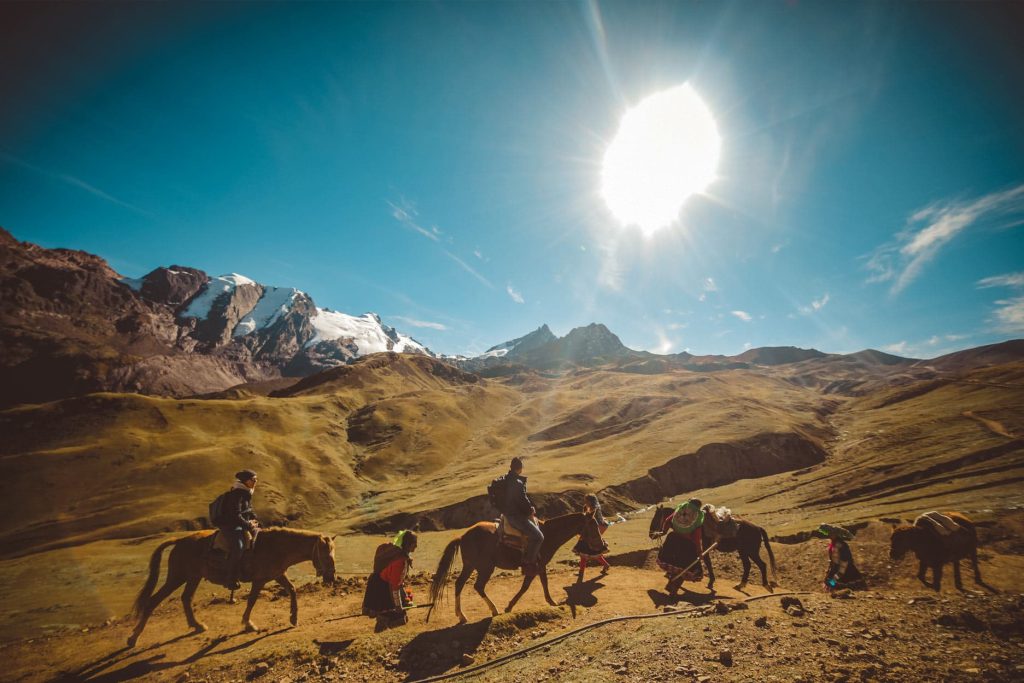
- Rent a horse for part of the ascent
- Take breaks whenever needed
There’s zero shame in using support. This is about the experience, not proving a point.
Is It Worth The Effort?
Absolutely, especially if you do it right.
You’re not just hiking to a viewpoint. You’re stepping into:
- One of the most unique geological landscapes on the planet
- A high-altitude Andean environment that most people never experience
- A place that genuinely feels different from anywhere else
And when those colors finally come into view after the climb?
You realize every little step was worth it.
Who Should (And Shouldn’t) Do This Hike?
Let’s be real. This hike might not be for everyone.
You’ll love it if you:
- Want a one-day adventure from Cusco
- Are okay with a physical challenge
- Can give yourself time to acclimatize
Maybe rethink if you:
- Have serious altitude-related health concerns
- Don’t have time to adjust before going
- Expect an easy, flat walk
There are alternatives like Palccoyo (a different rainbow-colored mountain experience) if you want something gentler, but if you want the iconic experience, this is the one.
How To Make It Feel Easier (Without Cutting Corners)
This is where a well-run tour makes a huge difference.
The right setup means:
- Comfortable transport (and yes, that matters at 4 am)
- Proper meals before and after the hike
- Guides who manage the pace and watch for altitude symptoms
- Oxygen and first aid on hand if needed
All of that gently lowers the difficulty without changing the adventure itself.
Frequently Asked Questions About Rainbow Mountain Difficulty
Before you go, there are always a few lingering questions, usually the kind you only think of the night before your 3 am wake-up call. Here are the ones guides hear all the time, along with the honest answers.
Is Rainbow Mountain Hard For Beginners?
It can be, but not in the way most people expect.
If you’re new to hiking, the trail itself is manageable. The challenge comes from the altitude. Even beginners can complete it successfully if they take it slow and acclimatize properly beforehand.
How Fit Do You Need To Be?
You don’t need to be ultra-fit, but a basic level of fitness helps.
If you can handle a steady uphill walk for a couple of hours, you’ll likely be fine. Just expect to go slower than usual, and remember that’s completely normal at this elevation.
Can You Get Altitude Sickness At Rainbow Mountain?
Yes, and this is the biggest factor to take seriously.
Because of the extreme elevation, symptoms like headaches, nausea, and fatigue are fairly common. The best way to reduce your risk is to spend time acclimatizing in Cusco before your hike.
How Long Does The Hike Take?
Most people take around 1.5 to 2 hours to reach the top, and slightly less on the way down.
Pace varies a lot depending on how you handle the altitude, so there’s no “right” speed here.
Is There An Easier Way Up?
Yes, horses are available for rent along the trail.
They can take you most of the way, but you’ll still need to walk the final section to reach the viewpoint. It’s a good option if you’re struggling or want to conserve energy.
The Honest Takeaway
Rainbow Mountain isn’t difficult because it’s extreme. It’s difficult because it’s high.
Get that part right by acclimatizing, pacing yourself, and going prepared, and suddenly it shifts from “hard” to “challenging but completely doable.”
And that’s kind of the sweet spot.
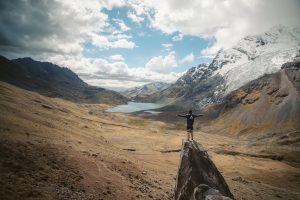
You’ll feel it in your legs. You’ll definitely feel it in your lungs. But you’ll also get to stand on top of one of the most surreal landscapes in Peru and think, “Yeah… that was worth it.”

Leave A Reply