
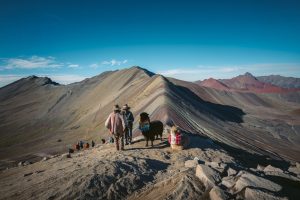
Rainbow Mountain, also known as Vinicunca, sounds like one of those places that can’t possibly look like the photos. You assume someone’s gone a bit heavy on the saturation slider. Then you get there, slightly out of breath, mildly questioning your life choices at altitude… and realize it actually does look pretty awesome.
But here’s the thing most people don’t tell you: timing is everything.
Pick the wrong month, and those famous colors can be hiding behind clouds, snow, or a crowd of ponchos. Pick the best time to visit Rainbow Mountain, and you get crisp mountain air, clear views, and stripes so vivid they almost look painted on.
So if you’re wondering when to go to Rainbow Mountain, this guide breaks it all down, including weather, seasons, visibility, and the little insider details that make a big difference.
Table of Contents
Where Rainbow Mountain Sits (And Why Weather Matters So Much)
Rainbow Mountain sits high in the Peruvian Andes at 5,100 meters (16,732 feet). That’s not just “a bit high”. That’s properly high.
At this altitude:
- The weather changes quickly
- Mornings are usually clearer than afternoons
- Oxygen is… limited
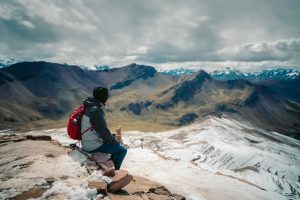
And most importantly, visibility depends heavily on conditions. The colors you’ve seen online look their best when the ground is dry and the skies are clear. Rain, snow, or heavy cloud cover can dull everything.
So yes, you can visit year-round, but not all months are created equal.
Dry Season Vs Wet Season: The Big Decision
Peru has two main seasons when it comes to its climate, but there are also a couple of shoulder months nestled in between that many find to be the perfect balance. Let’s take a closer look at them all.
Dry Season (May To September)
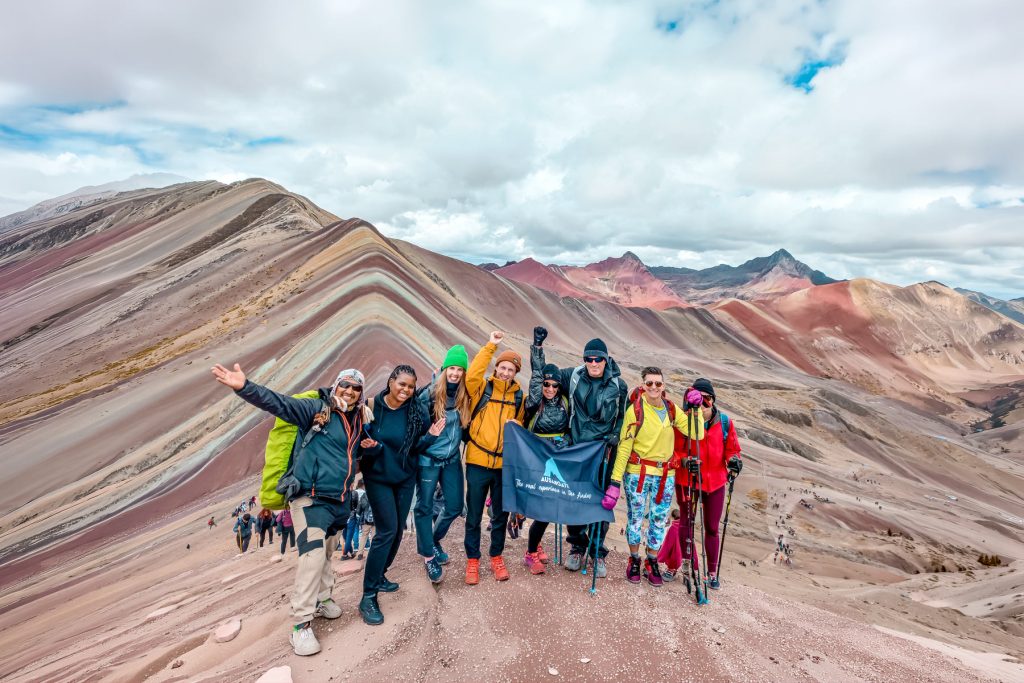
This is widely considered the best time to visit Rainbow Mountain, and for good reason.
What you get:
- Clear skies most mornings
- Strong, vibrant colors
- Minimal rain
- More predictable conditions
What to expect:
- Cold mornings (often below freezing before sunrise)
- Bright sunshine later in the day
- Bigger crowds, especially from June to August
If your priority is seeing the mountain at its absolute best, this is your window.
Wet Season (November To March)
This is where things get a bit more unpredictable.
What you get:
- Fewer tourists
- Greener surrounding landscapes
- Occasional dramatic cloud effects
What to expect:
- Frequent rain, especially in the afternoons
- Cloud cover that can block views
- Muted colors due to damp ground
- Possible snow at higher elevations
It’s not impossible to have a great experience, but you’re rolling the dice more.
Shoulder Months (April & October)
These are the underrated sweet spots.
What you get:
- A mix of dry and green landscapes
- Fewer crowds than peak season
- Decent chances of clear mornings
What to expect:
- Slightly unpredictable weather
- Occasional rain
- Good (but not guaranteed) visibility
If you like a balance of fewer people and solid conditions, these months are well worth considering.
Month-By-Month Breakdown
Want an even more detailed insight into how the year unfolds? Let’s take a look.
January To March
Peak rainy season. Expect mud, clouds, and inconsistent visibility. Not ideal if Rainbow Mountain is a highlight of your trip.
April
Rain starts easing. Landscapes are lush, and you’ve got a fair shot at clearer mornings. A strong contender.
May
Dry season begins. Skies clear up, and the mountain starts showing off properly.
June To August
Prime time. Best visibility, sharpest colors, and the most reliable weather. But it’s also the busiest time.
September
Still dry, slightly fewer crowds. A bit of a hidden gem month.
October
Transition month. Some rain returns, but mornings can still be excellent.
November And December
Rain increases again. You might get lucky, but it’s less predictable.
Why Early Mornings Are Non-Negotiable
If there’s one tip worth taking seriously, it’s this. Go early.
Most tours leave Cusco around 4–5 am. It sounds brutal (and it is, for a short while), but there’s a reason:
- Skies are clearest in the morning
- Clouds build up later in the day
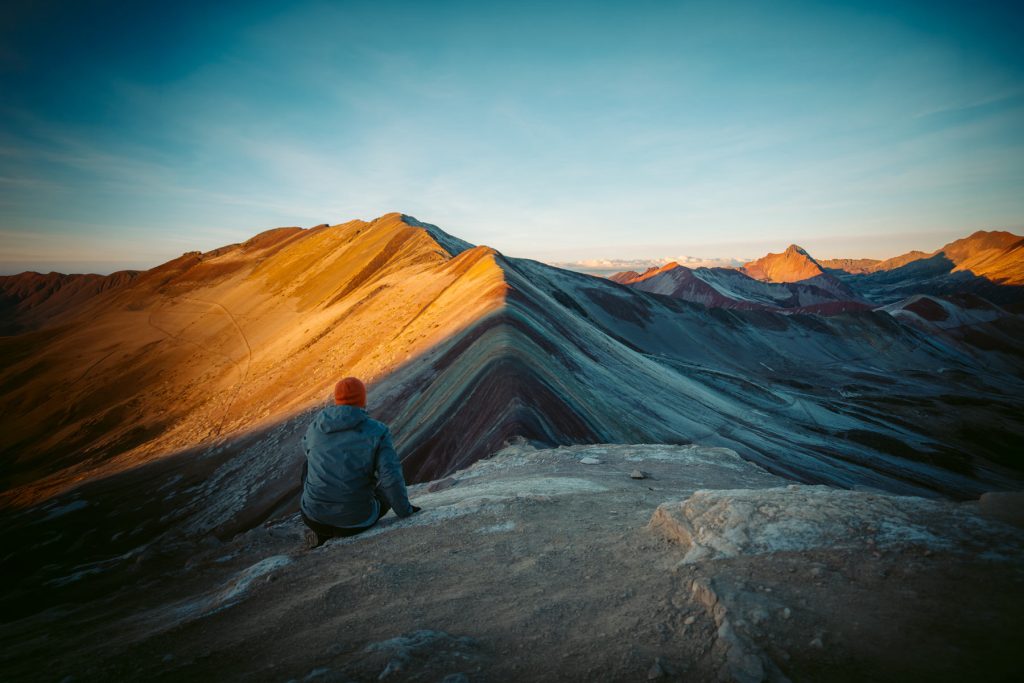
- Light hits the mountain better early on
Arriving early doesn’t just improve visibility. It also means fewer people in your photos and a more peaceful experience overall.
How Weather Affects Rainbow Mountain’s Colors
Those famous stripes of reds, yellows, and greens are created by mineral deposits. But they don’t always pop the same way.
Here’s what impacts visibility:
Dry Conditions = Best Colors
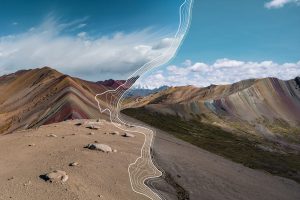
When the ground is dry, the colors are bold and defined. This is what you’ve likely seen in those awe-inspiring photos.
Wet Or Snowy Conditions = Muted Tones
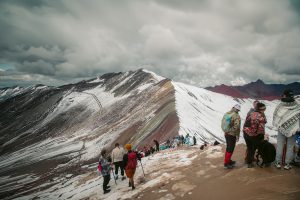
Rain or snow darkens the surface and softens contrast. The mountain still looks interesting, but less dramatic.
Cloud Cover = Flat Light
Even if it’s not raining, heavy cloud cover can make everything look a bit… dull.
Sunlight = Your Best Friend
Clear skies + sunlight = peak Rainbow Mountain experience.
Crowd Levels: When It Feels Busy (And When It Doesn’t)
Rainbow Mountain has become one of Peru’s most popular day trips, and yes, sometimes it shows.
Busiest Months:
- June
- July
- August
These coincide with peak travel season in Peru.
Quieter Times:
- April
- May
- September
- October
You still get good conditions, but without the same volume of visitors.
Pro Tip:
Even in peak months, starting early makes a huge difference. You’ll often beat the main wave of hikers.
Temperature: What It Actually Feels Like
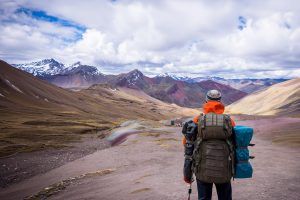
Let’s not sugarcoat it. Rainbow Mountain is cold.
Morning Temperatures:
- Often below 0°C (32°F)
Daytime Temperatures:
- Around 10–15°C (50–59°F) in the sun
But here’s the twist: the sun at altitude is strong. So you’ll likely be:
- Freezing at sunrise
- Warm while hiking
- Cold again when you stop moving
Layers are your best friend. And don’t forget the sunscreen. Being closer to the sun can cause sunburn in minutes, even with cloud cover.
Visibility Tips That Actually Make A Difference
You can’t control the weather, but you can stack the odds in your favor.
Go During The Dry Season
This is the single biggest factor for clear views.
Start Early
Beat the clouds, beat the crowds, and you’re winning.
Check The Forecast (But Don’t Obsess)
Mountain weather changes fast. A “cloudy” forecast doesn’t always mean a bad day.
Spend A Few Days In Cusco First
Altitude affects everyone differently. Acclimatizing improves your overall experience and lets you actually enjoy the view instead of just surviving it.
Choose A Well-Planned Tour
Timing, pacing, and route choice all matter. A smooth itinerary means you arrive at the right moment, not after the clouds roll in.
Is Rainbow Mountain Worth Visiting Year-Round?
Technically, yes.
But realistically?
If this is a must-see for you, and for most people, it is, you’ll want to aim for the dry season or shoulder months. That’s when the mountain delivers on its full, slightly surreal promise.
Go in the rainy season, and you might still have a great hike. You might also stare into a wall of cloud, wondering where the rainbow went.
So, When Should You Go?
If you want the short answer:
- Best overall: May to September
- Best balance (fewer crowds + good weather): April, May, September, October
- Least reliable: January to March
If you’re already planning a trip to Peru, it’s worth timing your Rainbow Mountain visit carefully. A little planning goes a long way here.
FAQs About Visiting Rainbow Mountain
We know that planning the perfect trip is your top priority, so you’re bound to still have some questions. To help you out a bit, we’ve gathered some of the most frequently asked questions below and their answers.
Is It Better To Go To Rainbow Mountain In The Morning Or Afternoon?
Morning, without question. Skies are clearer, colors are more vibrant, and you’ll avoid the worst of the crowds. Afternoons tend to bring clouds and less reliable visibility.
Is It Better To Do Machu Picchu Or Rainbow Mountain First?
It’s usually better to visit Rainbow Mountain after spending a few days acclimatizing in Cusco. Many travelers do Machu Picchu first, then tackle Rainbow Mountain once they’ve adjusted to the altitude.
What Is The Best Month To Visit Rainbow Mountain?
The months from May to September offer the best conditions, with clear skies and dry ground that makes the colors stand out. April and October are also good shoulder-season options.
How Hard Is The Rainbow Mountain Hike?
It’s considered moderately challenging, mainly because of the altitude rather than the distance. The hike is short but steep in sections, so taking it slow makes a big difference.
The Bottom Line
Rainbow Mountain isn’t just about getting there. It’s about seeing it properly.
The right season, the right timing, and a bit of smart planning turn it from a “nice hike” into one of those moments that sticks with you. The kind where you stop, look around, and think, okay, that was worth the early alarm.
And if you’re going to make the effort to hike at this altitude, you may as well give yourself the best chance of seeing it at its absolute best.

You might also like
Leave A Reply