
High in the remote reaches of the Peruvian Andes, where the sky feels real close and the horizon stretches into jagged mountain tops, stunningly blue lakes, and shimmering glaciers, lies the Ausangate Trek.
It’s one of the most spectacular, challenging, and spiritually charged treks in all of South America. It’s no casual Sunday stroll in the park. This a full-blown expedition through powerful landscapes, where you’ll feel at one with nature and discover things about yourself you never knew were possible.
For many travellers, Ausangate becomes more than a trek. It’s a journey inward. A test of stamina. A way to escape modern distractions and be left with the essentials. Breath, movement, and silence.
Whether you’re chasing scenery, seeking a deeper connection with nature, or simply trying to prove to yourself that you can survive at such a high altitude without Wi-Fi, this high-altitude adventure promises an unforgettable blend of challenge, culture, and awe.
Welcome to Ausangate.
Table of Contents
The Spirit Of Ausangate: More Than A Mountain
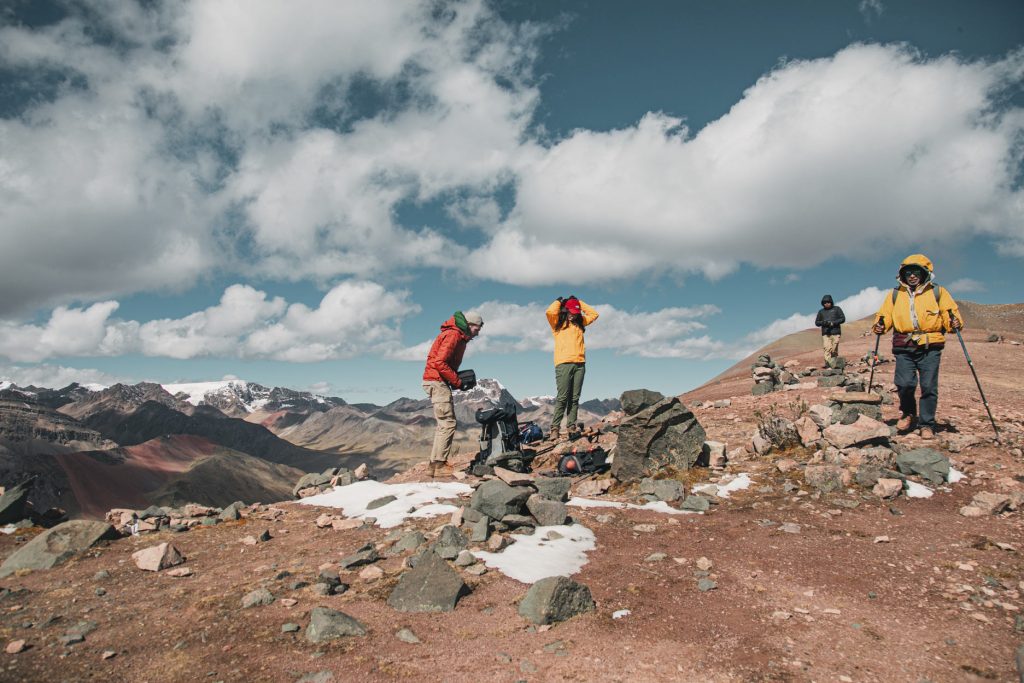
Before we dive into everything great about the Ausangate trek (we’re talking glacial passes, breathtaking views, and ancient tradition-following communities), it’s worth understanding just why this route feels so different from the others.
Sure, Ausangate is the highest mountain in the Cusco region, standing at an impressive 6,384 m / 20,945 ft, but it’s also so much more.
In Quechua tradition, it’s known as an ‘Apu’. This means locals view it as a sacred mountain spirit that protects them and the surrounding region. For thousands of years, Andean people have performed rituals and offered prayers and gifts to Ausangate in exchange for its protection. Even today, those heading out into the fields and grasslands below pause to acknowledge its existence each morning and say thank you.
You don’t need to follow these same beliefs to feel the mountain’s presence either. Many travelers who’ve trekked around Ausangate describe an unbelievable sense of calm and introspection during the trip. It’s all part of the magic on this once in a lifetime adventure.
The Ausangate Circuit For The Bold
There’s no denying it. Ausangate isn’t for beginners. It’s a high-altitude, high-exposure, and high-reward trek, for which you’ll need some experience or plenty of determination. If you’ve got both, great!
Before we explore those exhilarating high passes and the spiritual nature of the hike, let’s take a quick glance at the facts.
Distance: Most of the circuits around Ausangate range from 55-80 km / 35-50 m, depending on the route you choose.
Duration: The big hikes vary from 5-7 days, but there are shorter options available, including a 1-day hike around the 7 lakes (great if you’re short on time or don’t feel you could do the whole trek).
Altitude: A defining feature of the route (or personality trait if you will) is the high altitude. All of the circuit is above 4,100 m / 13,451 ft, and the highest pass takes you up to 5,200 m / 17,060 ft.
Difficulty: The route is moderate to challenging, being more of the latter, but it’s incredibly rewarding. This is no luxury trek. Ausangate is wild, remote, and beautifully raw. You need to be fit and determined to make it to the end.
Crowds: Virtually non-existent. Away from the traditional tourist routes, your main companions will be alpacas, donkeys, and the occasional local from one of the communities.
The High Passes Of The Ausangate Trek
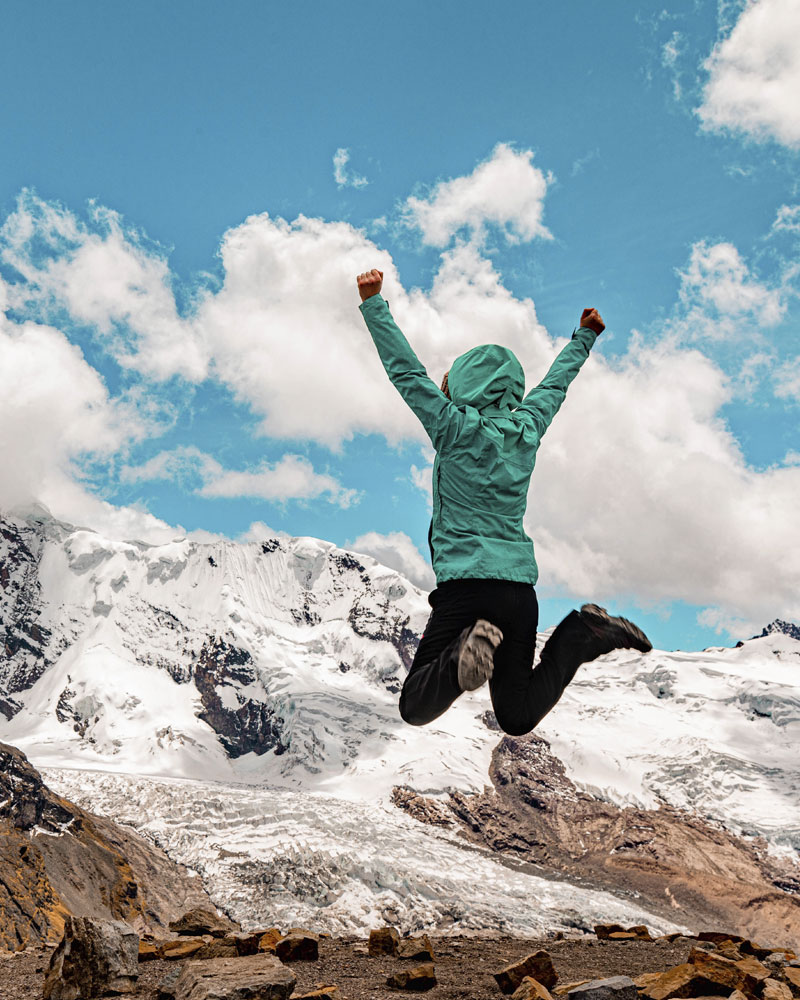
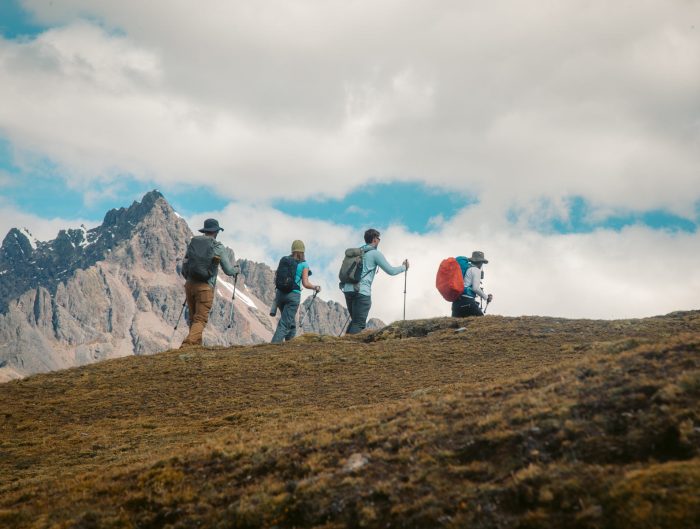
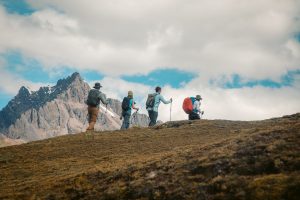
The highlight of the Ausangate Trek is the out-of-this-world landscapes, and they don’t come much better than those you get to witness when you cross the high passes. Expect insane views, a fierce adrenaline rush, and a feeling of triumph after conquering something monumental.
Arapa Pass
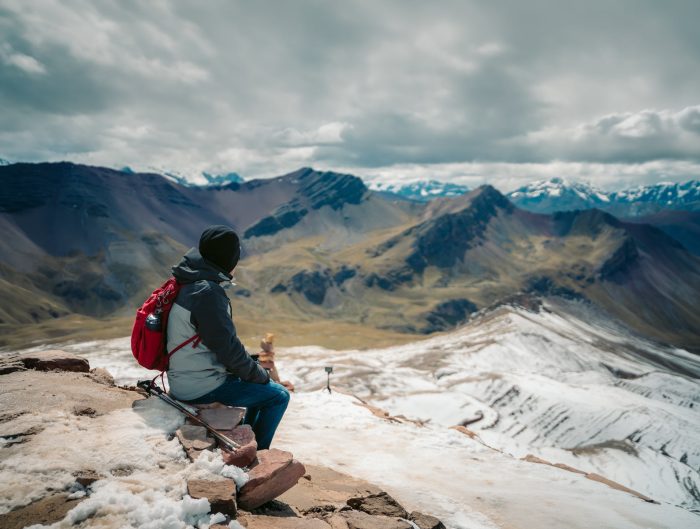
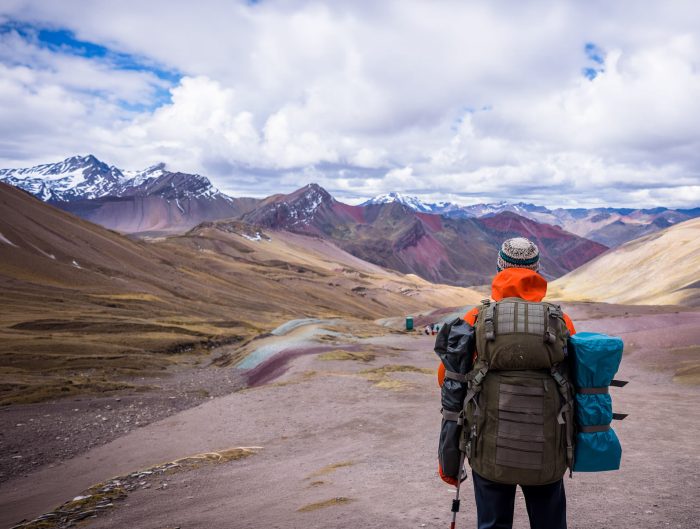
See this as your warm-up pass (as if that means anything at this height). The ascent is a steady one up to 4,800 m / 15,748 ft. Once you reach the top, you’re treated to spectacular views of colorful mountains and valleys that get their hues from the minerals in the earth. Arapa eases you into the thin air before the main event.
Palomani Pass
This is the king of all passes. The highest point on the circuit and arguably the most dramatic. At 5,200 m / 17,060 ft, staring at your surroundings from Palomani feels like standing on top of the world. You’ll look out to panoramic ridges, deep valleys, and Ausangate’s glaciers. Don’t get us wrong – your legs will be doing a lot of complaining and your lungs might need some recovery, but your soul will remind you that this is why you came.
Jampa Pass
A little less brutal but no less stunning is the final pass on the trek, reaching 5,070 m / 16,634 ft. You’ll see snowfields around you, turquoise lakes glistening below, and the mountain peaks on the horizon. It’s a great spot to stop and contemplate what you’ve achieved on this trek before making your way back down.
The Andean Masterpiece That Is The Landscape
If the landscape up here were personified, you might mistake it for being a bit of a show-off. We mean this in the nicest way, of course. Every day and every pass on this trail offers something unique. Here are our highlights:
Glaciers In All Their Glory
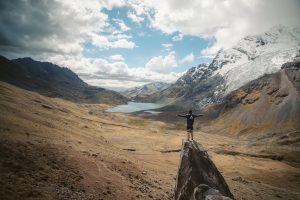
Ausangate’s best face is probably its southern face. It’s dramatic, gigantic, and absolutely stunning. White glaciers spill down its sides like frozen, icy waterfalls that glow in the sun.
Lakes So Blue You Won’t Believe Your Eyes
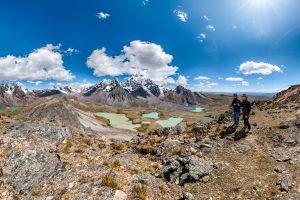
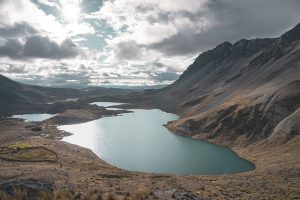
Think you’ve seen a great lake? Think again. The lagoons up here will take your breath away with their emerald, turquoise, and sapphire shades. You might be fooled into thinking someone turned the saturation up on your camera.
Vinicunca & The Red Valley
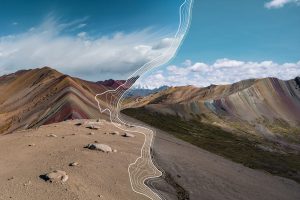
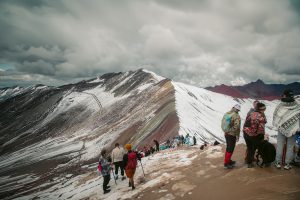
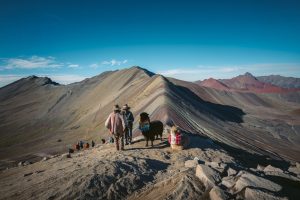
Heard of Rainbow Mountain? We thought so! That’s what Vinicunca is better known as and you’ll find it on many of the Ausangate routes along with its neighbor, Red Valley. Minerals in the earth make up the rainbow colors and rusty deep red hues.
Alpacas, Llamas & Other Furry Friends
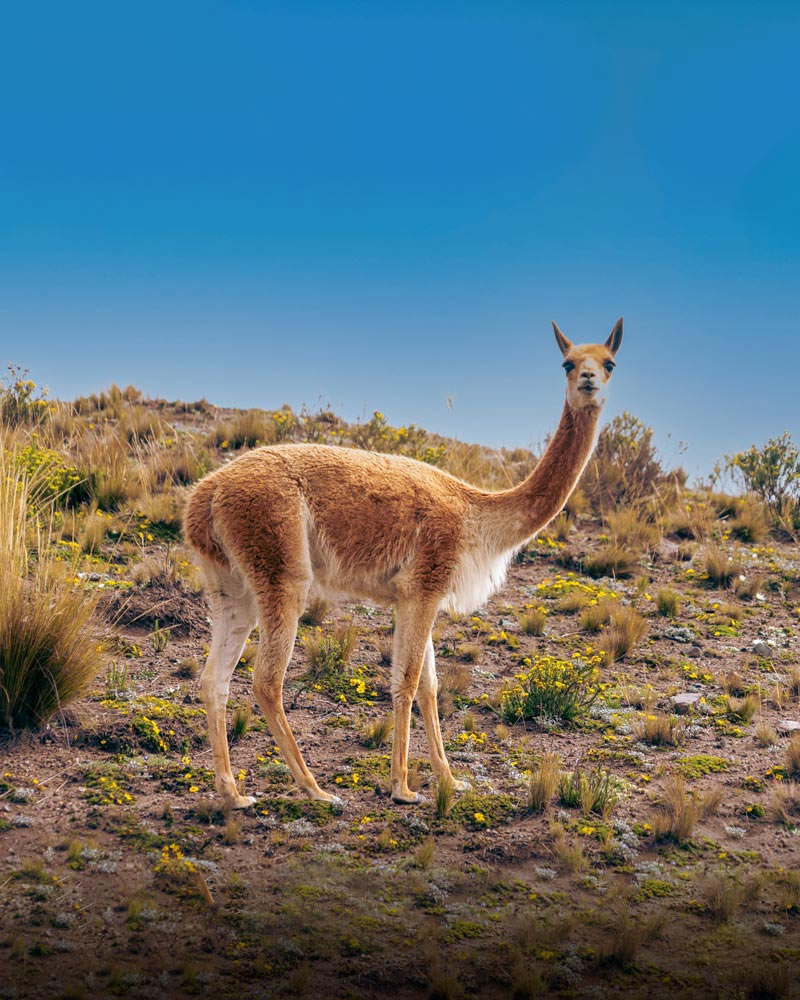
If you love alpacas, and come on, who doesn’t, you’d better prepare yourself. You’re going to see hundreds. They graze in the valleys, wander over the trails, and stare at you as though you’re funny looking. Be warned: you may find yourself wanting to adopt one when you get home! There’s plenty of other interesting wildlife along the trek too, like llamas, vizcachas, Andean geese and condors.
On The Trail Of This High-Altitude Adventure
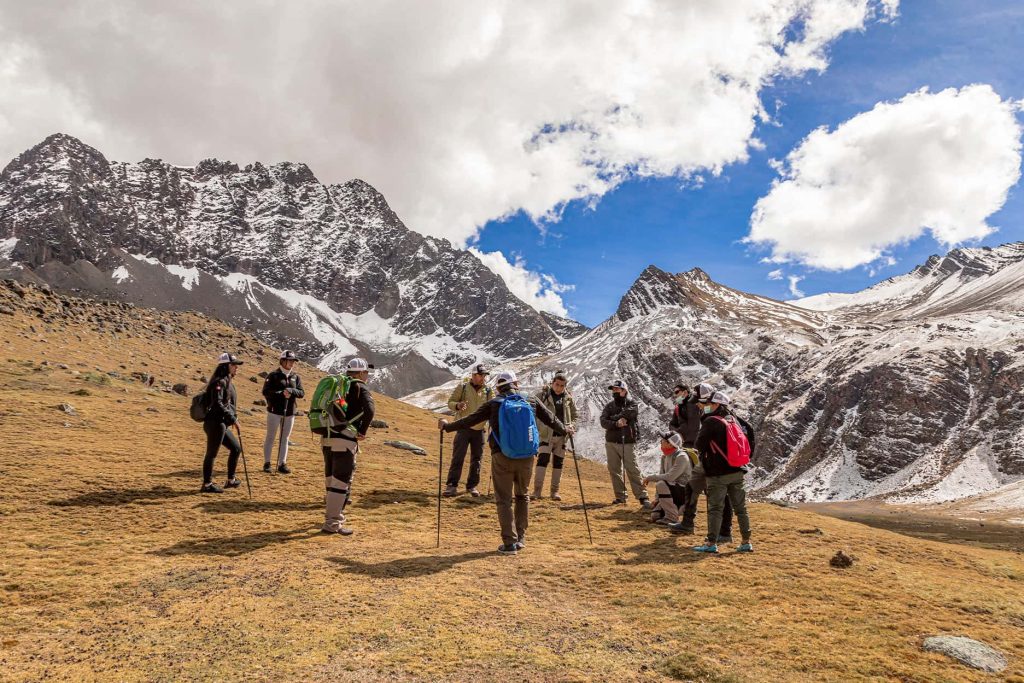
Has all this talk about high passes and what they have to offer wet your appetite for the trek of a lifetime? Here’s a little more of an insight into what to expect when you’re out hiking.
The Campsites
Some trails in Peru boast luxury campsites, but not this one. That doesn’t mean they aren’t just as fabulous. Many camps sit next to gorgeous lakes or at the base of giant mountains. Remote, serene, and beautiful. Yep, you’ll be waking up to frosty mornings, but that makes that morning cup of coffee even more delicious.
The Weather
Predictable isn’t a word we’d use to describe the climate up here. Even during the dry season, the day can quickly shift from glaring sun to cold, dark, and windy. Oh yea, and the nights often plummet to below freezing. Make sure you pack warm clothes and plenty of layers.
The Silence
One of the most beautiful aspects to the Ausangate Trek is its peacefulness. You can walk for hours without hearing anything but the wind, your own breath, and your heartbeat. It’s the kind of silence that’s rare in your everyday life and one that’s comforting and grounding.
A Spiritual Test
Not every trek has the power to change the way you think. But there’s just something about Ausangate. Its sacred history, towering presence, and untouched landscapes really alter your mindset. Don’t be surprised if you find yourself feeling humbled, focused, and a little overwhelmed at times.
You might call it spirituality. Some might say it’s clarity. It could even be described as the moment you realized you’re a lot stronger than you thought.
What we can say for sure, whether you’re an avid mountaineer or a casual adventurer, is that you’ll walk away from this trek with a sense of connection to nature, culture, and within yourself. And maybe a newfound respect for oxygen!
What Trekkers Need To Know To Hike Ausangate
If Ausangate is calling your name, it’s time to get prepped and ready to hike. Here are a few “need-to-knows” before you leave home.
- The dry season is the best time to trek to Ausangate. The skies are clear, views are exquisite, and trail conditions are stable. Just make sure to pack an extra sweater as it will get cold.
- Acclimatizing to the altitude is a must to enjoy the trek and make it to the end without collapsing in a heap. Spend at least 2-3 days in Cusco beforehand and go on plenty of practice hikes at home. Altitude sickness can hit even the most seasoned of trekkers.
- We highly recommend visiting with an experienced guide or tour operator. This way you’ll be in safe hands, have a support team to cook and carry equipment, learn plenty about the area, and make sure you stick to the right path. This trek is remote and conditions can shift quickly, so having local expertise makes a big difference.
- You won’t need a permit to enter the route, but some remote communities charge a small access fee to support local development. It’s usually only a few soles.
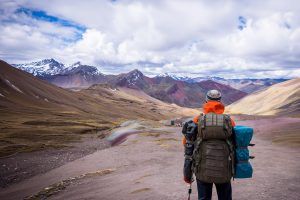
- Pack carefully to stay warm but also protect yourself from the sun. You’re much closer to it up here! You can find a full packing list on our site.
Why You’ll Remember Ausangate For Life
When you finish the Ausangate Trek, you don’t just walk away with pretty photos and bragging rights (although you definitely earn those). You walk away with a sense of achievement, knowing that you pushed yourself to your limits and are capable of so much more than you’d imagined.
You made it across some of the highest trekking points in Peru. You stood beneath glaciers that are much older than civilization. You tested your body and listened to your inner voice.
Some treks are beautiful, some are tough, and some change you for good. Ausangate is all of them.
If you’re craving an adventure that blends challenge, nature, and culture while feeding your soul with its spirit, this is it. So step out of your comfort zone and let the mountains lead the way.

You might also like
Leave A Reply